Finance electric rope shovels for large open-pit copper, iron ore, and coal operations. Large-ticket capital structures, sale-leaseback, refinancing. Get quotes.
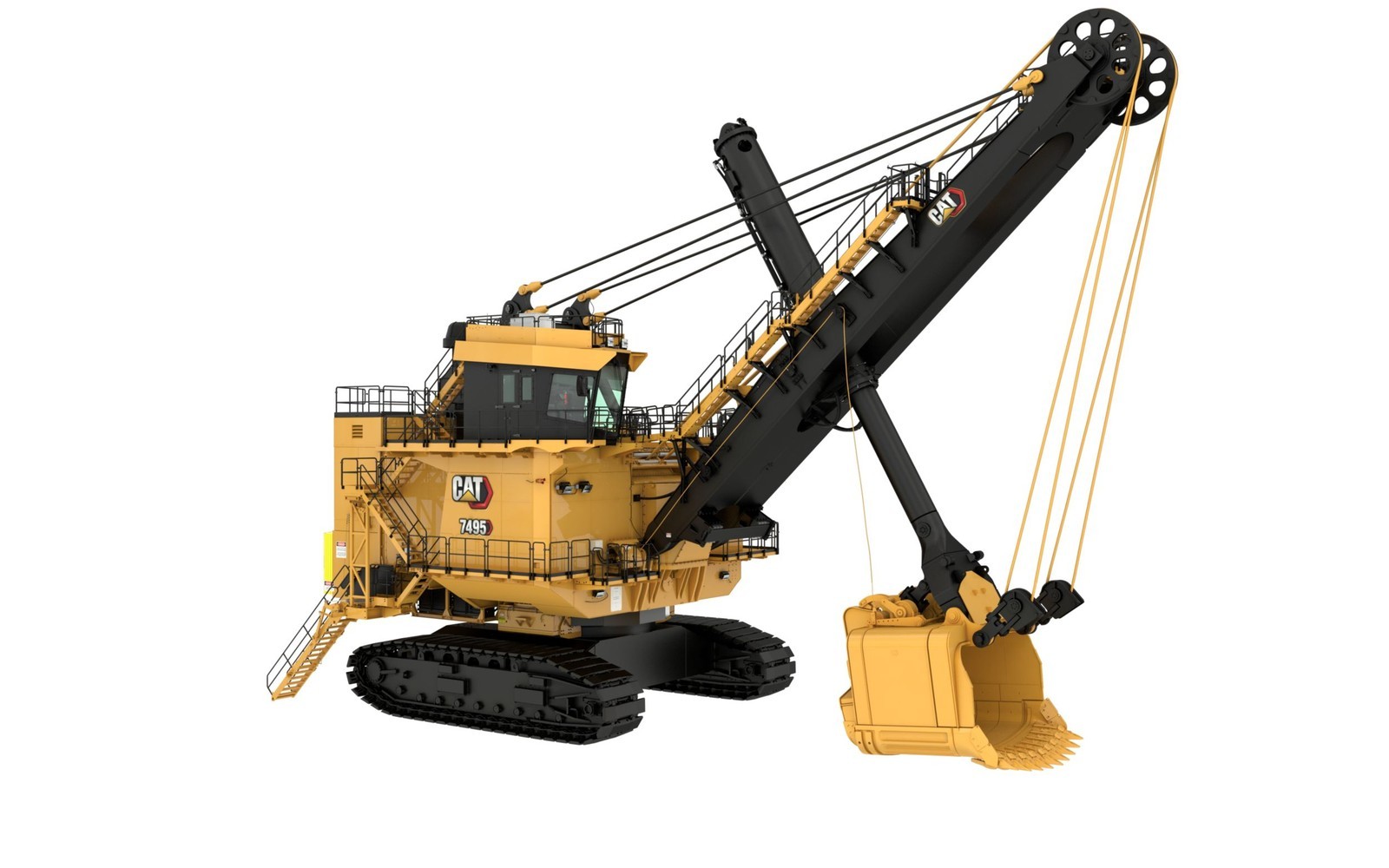
Tonnage per hour from the loading face determines whether the entire haul fleet runs at capacity or waits. Electric rope shovels set that number. At large open-pit operations, a single P&H or Komatsu rope shovel swinging at 30 to 60 passes per hour can load three or four haul trucks simultaneously, which means shovel downtime does not just affect the shovel, it ripples across the entire production system. Operators who understand this math do not treat the shovel's financing as an afterthought.
Electric rope shovels are among the most capital-intensive pieces of mobile equipment in the mining world. Current-generation machines in the 50-tonne to 120-tonne dipper class represent capital outlays that routinely exceed $15 million to $35 million for new units. Even significantly rebuilt machines carry multi-million dollar price tags. That scale means most commercial banks are not equipped to finance them efficiently, and many equipment lenders simply do not have the expertise to underwrite the asset class.
We finance electric rope shovels as part of our focus on heavy-iron mining capital. We understand the distinction between dipper capacity ratings, the significance of crowd rope vs. rack-and-pinion crowd systems, the electrical infrastructure requirements that fix these machines to specific bench locations, and the rebuild economics that define their remaining useful life. That expertise shapes how we structure debt and how quickly we can close.
The Asset: What We Assess on a Rope Shovel
Electric rope shovels are technically complex machines, and the financing underwriting reflects that complexity. Several specific factors drive our assessment of an electric rope shovel transaction.
Electrical system condition is paramount. These machines run on high-voltage AC or DC power drawn from the mine's electrical distribution network. The condition of the main motor drives, transformer systems, and control electronics determines both current operating status and near-term maintenance exposure. A shovel with recently upgraded digital controls and overhauled drive systems is in a materially different position than one running original 1990s-vintage controls at high accumulated hours.
The dipper, rigging, and boom structure are high-wear components that require periodic replacement. A recently rerigged machine with new wire rope and a sound dipper represents a lower near-term cost exposure than one approaching the end of its rigging life. We want to know when the last rigging change occurred.
The running gear, including the crawler tracks, center gudgeon, and swing ring, are major structural components. Any issues in these areas represent significant repair costs. Inspection by a qualified rope shovel technician gives us confidence in the asset's condition before we set advance rates and terms.
Brands at the top of this market include Joy Global, Bucyrus, and Komatsu rope shovels, all of which have well-documented service histories and established parts supply chains. Financing forJoy Global shovelsandBucyrus shovelsis something we handle with an understanding of those specific machine families and their rebuild economics.
Sale-Leaseback and Refinancing on Rope Shovels
Large mines that have carried rope shovels on their books for a decade or more sometimes find those machines nearly or fully depreciated while still operational, representing idle equity. Asale-leaseback transactionconverts that equity to working capital while the shovel stays at the bench loading ore. The mine sells the shovel to us at current market value, we lease it back, and the cash can go to whatever priority the operation needs: a drill program, tailings facility improvements, capital reserves ahead of a commodity price cycle, or other equipment purchases.
Refinancing an existing note is also possible where the current lender's terms no longer fit the mine's situation. If you financed a rope shovel several years ago and the production picture has shifted, a restructured term can improve cash flow during periods where the commodity price is tighter. We handleequipment refinancingon rope shovels without requiring you to put the machine through an unnecessarily drawn-out credit process.
Where Rope Shovels Operate in North America
The largest concentrations of electric rope shovels in North America are at open-pit copper mines in the American Southwest, iron ore taconite operations on Minnesota's Iron Range, and coal operations in the Powder River Basin and Appalachia.
Copper operations aroundGlobe, Arizonaand the surrounding copper belt have historically run rope shovel fleets scaled to the enormous tonnages required at low-grade porphyry copper deposits. These mines process many thousands of tonnes of rock per day and need loading equipment that matches the haul fleet's capacity.
The Minnesota Iron Range, particularly in the area aroundHibbing, has operated rope shovels on taconite benches since the mid-20th century. Some of those machines have been maintained and rebuilt through multiple service cycles, which illustrates the long operational life these machines can achieve with proper maintenance investment.
Wyoming coal operations nearGillette, Wyoming, the center of Powder River Basin coal production, have run large rope shovels as primary strippers and coal loaders. As coal production patterns shift, some of this equipment has been available for purchase by operators in other sectors, creating secondary market opportunities for copper, iron ore, and aggregate producers.
Credit and Documentation for Rope Shovel Financing
Rope shovel transactions almost always exceed our application-only threshold of roughly $400,000, often by an order of magnitude or more. These deals move through a full underwriting process, but we run that process efficiently because mining timelines do not accommodate slow lenders.
You will need three months of bank statements, a purchase agreement or OEM quote, and basic business financials. For larger transactions, recent company financial statements help frame the credit picture. A third-party inspection report on the shovel addresses asset condition questions that matter for advance rates and term length.
B and C credit is something we consider. Mining companies go through commodity cycles, project ramp-ups, and contract gaps that affect financial ratios in ways that do not tell the whole story. An operation with a strong asset, an experienced team, and forward contract or royalty visibility can present a fundable credit even when the historical financials are not pristine. Apply and give us the full picture.
Where applicable,bad credit equipment financingstructures let operators with credit challenges access capital on terms that reflect the asset quality rather than solely the credit score. The rope shovel itself is the primary collateral, and its value supports the deal.