Finance hydraulic mining excavators from mid-size units to ultra-class EX8000 and PC5500. Purchase, refinance, sale-leaseback. B/C credit considered. Get quotes.
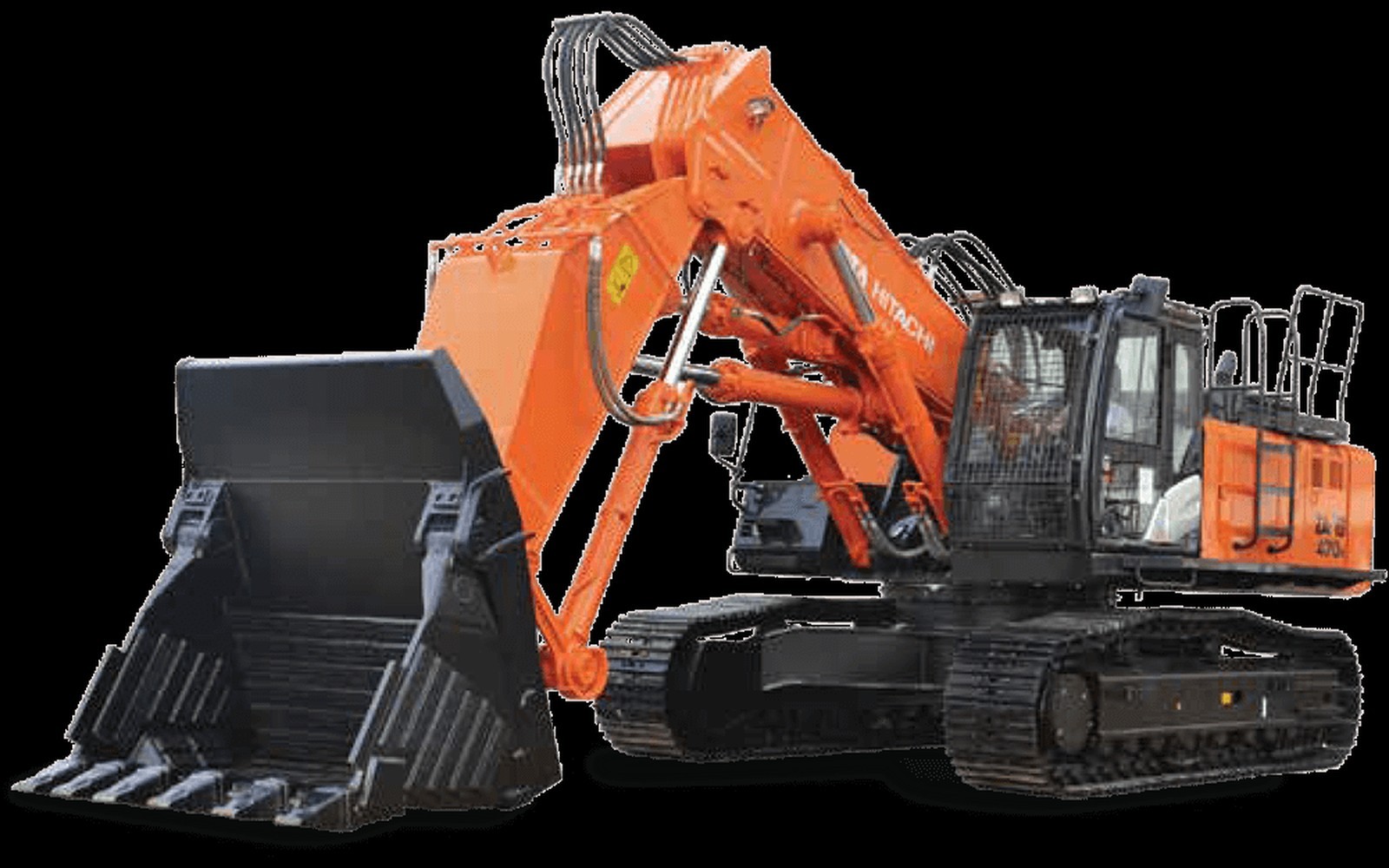
Hydraulic mining excavators brought flexibility to the open pit that electric rope shovels could not match. Rope shovels are anchored to power lines and optimized for single-bench production loading. Hydraulic machines move. They change benches, handle variable ore types, work in tighter footprints, and give production planners options that fixed-position loaders cannot offer. At the same time, the largest hydraulic mining excavators, machines like theHitachi EX8000,Liebherr R 996, andKomatsu PC5500, push into payload territory that overlaps meaningfully with smaller rope shovels. Modern open-pit operations frequently run both types on the same bench.
Financing a hydraulic mining excavator is not the same conversation as financing a 20-tonne construction excavator. The machines we are talking about here weigh 500 tonnes, carry bucket capacities of 20 to 47 cubic metres, and represent capital outlays from $2 million for smaller used mining-class units up to $25 million or more for the largest current-generation machines. That price range and the asset's complexity require a lender with genuine mining expertise, not one who runs it through a general construction equipment template.
We finance hydraulic mining excavators across the full size range, from smaller 100-tonne-class machines used in mid-scale operations and aggregate quarries up through ultra-class units at large copper, gold, and iron ore mines. Our minimum is $50,000, our practical floor for this equipment class is several hundred thousand dollars, and we handle multi-million dollar transactions on an ongoing basis.
What Drives the Credit on a Mining Excavator
Hydraulic mining excavators accumulate service hours quickly in production roles. A machine running two shifts at a large mine might put on 5,000 to 6,000 hours per year. At that pace, the maintenance schedule and rebuild history define the machine's real remaining life more accurately than age or even total hours in isolation.
Engine condition is the first variable. The diesel engines powering large mining excavators are themselves significant assets, and a recent engine overhaul or replacement changes the near-term maintenance picture materially. We look at the last major engine work, including cylinder packs, injection systems, and turbochargers.
The hydraulic system is the second variable. On a machine of this scale, pump wear, main control valve condition, and cylinder seal condition translate directly to productivity. A machine with deteriorating hydraulics loses speed and power in ways that directly reduce payload and cycle time. Hydraulic oil analysis reports can be useful documentation here.
Undercarriage on crawler-mounted units is the third major variable. On ultra-class machines with massive track systems, undercarriage wear is expensive and has to be factored into the cost of ownership over the financing term. We want to know the undercarriage percentage remaining.
Specific brands likeHitachiandLiebherrhave established OEM parts and service networks that support longer operating lives and give lenders confidence in the long-term maintainability of the asset.
Getting a Hydraulic Mining Excavator Financed
The documentation path depends on the transaction size. For units under roughly $400,000, application-only approval is available and the process is fast. For larger transactions, which cover most hydraulic mining excavators, we need three months of bank statements, a purchase agreement or OEM invoice, and basic business financials. For multi-million dollar deals, recent company financial statements round out the picture.
Third-party inspection is standard practice on used mining excavators above a certain value threshold. If you have an inspection report from a qualified mining equipment inspector, share it with your application. If not, we can help identify inspectors with this specific experience.
Credit approval on a complete application with documentation typically comes back within a few business days. Funding closes within about one to two weeks of approval and complete documentation. On time-sensitive transactions, communicate the deadline upfront so we can pace the process accordingly.
We handle purchase transactions from dealers, OEMs, auction houses, and private sellers. We also handleequipment refinancingif you have an existing note that needs to be restructured, andcash-out equipment refinancingif your excavator carries more value than the remaining balance and you want to access that equity.
Operators Who Finance Hydraulic Mining Excavators
Major mine operators at copper, gold, iron ore, and lithium operations are the primary users of the ultra-class machines, but that is not the only buyer profile we serve. Contract mining companies bidding production contracts need machines positioned before the contract starts, and their financing needs are often time-sensitive. We see that situation frequently.
Aggregate producers and quarry operators run smaller hydraulic mining excavators, typically in the 100-tonne to 200-tonne range, and their financing needs are similar in structure if not always in scale. Financing foraggregate mining equipmentis a significant portion of our business, precisely because quarry operators buying mid-size mining excavators need a lender who understands the asset class.
Operations in Nevada's gold mining district, centered aroundElko, Nevada, represent an important market for hydraulic mining excavators at mid-scale gold operations that do not warrant rope shovels but need something bigger than a construction excavator. These operators often work in hard rock conditions that accelerate wear and demand robust maintenance programs. We know that operating environment.