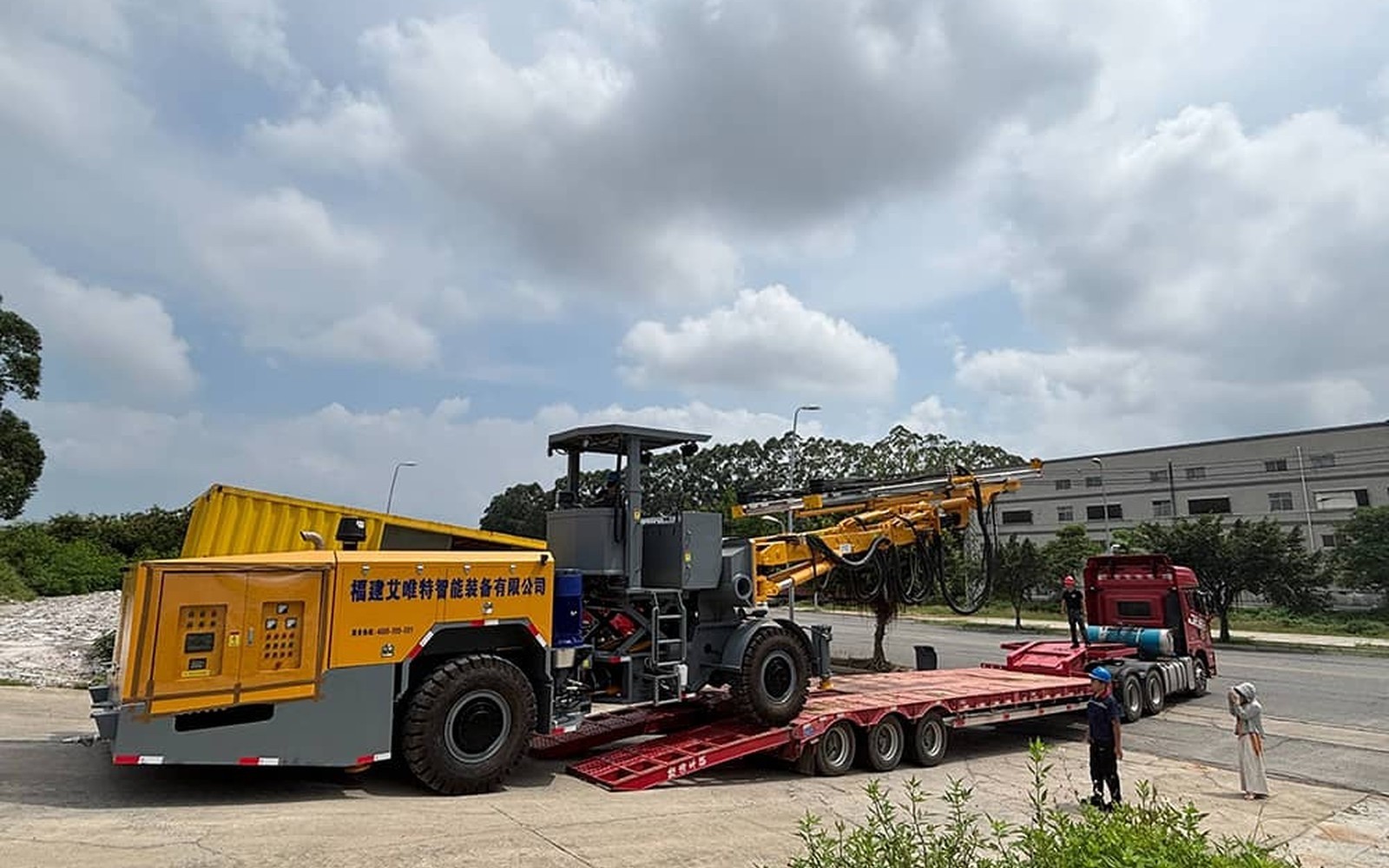
Finance blasthole drills for large-scale open-pit mining operations. Caterpillar MD6250, Epiroc Pit Viper, Sandvik Leopard and more. Quotes within 24 hours.
A blasthole drill is where open-pit production begins. Without holes drilled to spec, on pattern, and on time, the entire production sequence stalls. The shovel sits. The haul fleet runs short material. The crusher starves. Everything downstream of the drill is dependent on it, which means the capital behind a blasthole drill has to move as seriously as the machine itself.
We finance blasthole drills for large open-pit copper, gold, coal, and iron ore mines. The machines in this category, including the Caterpillar MD6250, the Epiroc Pit Viper 351, and the Sandvik Leopard DI650i, represent a capital commitment that typically runs from $2 million to over $7 million new. These are not deals that fit through a standard commercial bank's equipment lending process. They require a lender who understands what a blasthole drill produces and what the revenue stream behind it looks like.
We work on new purchases, used unit acquisitions, and refinancing of existing blasthole drill debt. We also handle sale-leasebacks on machines that are owned free and clear. Our process is built for the mining industry, not retrofitted from a general commercial lending platform.
Blasthole Drill Specifications and Selection
Blasthole drills operate in hole diameter ranges from approximately 150 mm on the small end to over 400 mm on the largest open-pit production units. Hole diameter determines blast pattern density, fragmentation, and ultimately the throughput a shovel and crusher can achieve on that material. Selecting the right drill for a pit's bench height, material hardness, and production target is an engineering decision that precedes the financing conversation.
The Epiroc Pit Viper series covers a broad production range. The PV-275 handles diameters up to about 270 mm; the PV-351 handles up to 349 mm and is one of the largest diesel-powered rotary blasthole drills in production. The Caterpillar MD6250 is a significant rotary blasthole machine in a similar class. Sandvik's Leopard DI650i is a large DTH blasthole drill built for hard rock applications where rotary drilling does not achieve adequate penetration rates.
Automation features have become standard on new large blasthole drills. Autonomous or semi-autonomous drilling, including automated hole positioning, collaring, drilling to a prescribed depth, and rod handling, reduces labor requirements and improves hole quality consistency. A fully autonomous large blasthole drill operating from a remote operator station at the mine's control center represents a significant capital commitment above the base machine price, but the reduction in skilled operator dependency is real and is valued by mine planners. We finance the full equipped value of the machine, including automation and telematics packages.
Who Is Financing Blasthole Drills
Large-scale copper mines, particularly in Arizona and the Southwest where operations like the Morenci and Bagdad mines have run blasthole drill fleets for decades, represent one end of the buyer spectrum. These operations are capitally sophisticated; they know exactly what a blasthole drill costs to run per hour and exactly what it produces per shift. The financing conversation is about terms, structure, and speed, not about explaining the equipment.
Gold mining operations in Nevada, particularly those in the Carlin Trend and Battle Mountain corridor that run large open-pit operations, are another consistent market. The same applies to coal strip mines in Wyoming's Powder River Basin, where blasthole drilling supports the enormous overburden removal rates those operations require. Operations in these regions benefit from proximity to knowledgeable equipment dealers and parts supply chains, which supports both availability and residual value.
Contract drilling companies that deploy blasthole drills on a site contract basis, billing per meter drilled or per ton of material enabled, represent a different buyer profile. Contract drillers need capital that closes before the mobilization date on a new contract, and they operate in a revenue model that is different from a mine operator's production budget. We accommodate both.
Typical Deal Structure
Blasthole drill financing runs on terms from 48 to 84 months in most cases. Longer terms reduce monthly outlay and are appropriate when the mine plan's expected production life significantly exceeds the financing term. Shorter terms are chosen when the buyer wants to minimize interest cost and can support the higher monthly payment from a strong production cash flow.
Down payment requirements vary by credit profile, asset age, and transaction size. Well-qualified buyers on new machines often close with 10 to 15 percent down. Buyers with credit challenges or older iron may be asked for more. We are transparent about how those factors affect the structure before the application goes through the underwriting process.
Lease structures are available and are chosen by some buyers for the flexibility they provide at term end, particularly when the technology landscape for autonomous drilling may shift the optimal machine configuration by the time the lease expires. AnFMV leaseversus a dollar buyout lease is a conversation worth having when the machine's residual value trajectory is uncertain over a five-to-seven year horizon.
Related Equipment and Programs
A blasthole drill finances most naturally alongside the rest of the pit's production equipment.Electric rope shovelsandhydraulic mining excavatorsload what the blast produces;rigid-frame haul trucksmove it to the crusher. If you are adding a blasthole drill because you are expanding pit capacity, you may be adding fleet in all these categories at once. Bringing those deals to the same lender simplifies the documentation process and can improve terms on subsequent transactions within the same credit relationship.
For operations that want to explore specific model financing, we have detailed pages for theEpiroc Pit Viper 351and theCaterpillar MD6250that cover those specific machines in depth.