Finance crushers, screens, conveyors, loaders, and haul trucks for aggregate mining operations. Crushed stone, sand, and gravel producers served.
Aggregate production is among the most capital-intensive businesses in construction materials relative to the value of the product produced. A single portable crushing plant configured for multiple product sizes can run $800,000 to $2 million. A fixed-plant crushing and screening circuit at a large limestone quarry represents tens of millions in capital investment. Yet the product sells for $8 to $20 per ton at the plant gate, which means the margin per ton is thin and volume is everything. Equipment that goes down is margin that evaporates -- and aggregate equipment that sits idle has no commodity-price backstop to cushion the loss.
We finance crushing and screening equipment, conveyors, washing and classification circuits, wheel loaders, haul trucks, and drill rigs for aggregate operations. Quarry producers, portable plant contractors, and recycled aggregate operations all qualify. Minimum transaction $50,000. Application-only financing available up to roughly $400,000. New and used equipment eligible.
Aggregate Equipment: What Gets Financed
The equipment spectrum in aggregate mining covers a wider value range than most mining sectors. A small portable jaw crusher might run $120,000; a large primary gyratory crusher at a greenfield limestone quarry might exceed $2 million. Both are financeable. The underwriting adapts to the asset's size and the operator's profile.
Crushing equipment--Jaw crushershandle primary reduction at most aggregate operations. Secondary and tertiary reduction usescone crushersorimpact crushersdepending on the application: limestone and granite typically suit cone reduction for cubicity; soft stone and recycled material often uses impact. Aportable crushing plant-- jaw or impact primary with screen and cone or impact secondary mounted on track or wheeled frames -- allows the aggregate contractor to follow road and building projects rather than building fixed-plant infrastructure.
Screening equipment--Vibrating screenssort aggregate into salable size fractions: base stone, coarse aggregate, fine stone, chip, and crusher run all come from screens handling the crusher output. A poorly maintained screen deck means product bleed between sizes, which creates spec compliance problems for DOT or concrete mix specifications.
Conveyors and material handling--Conveyor systemsat fixed plants move material between crushing and screening stages and into stockpiles. In a large quarry operation, the overland conveyor from the pit to the plant eliminates truck cycles on the haul road and reduces wear costs per ton.
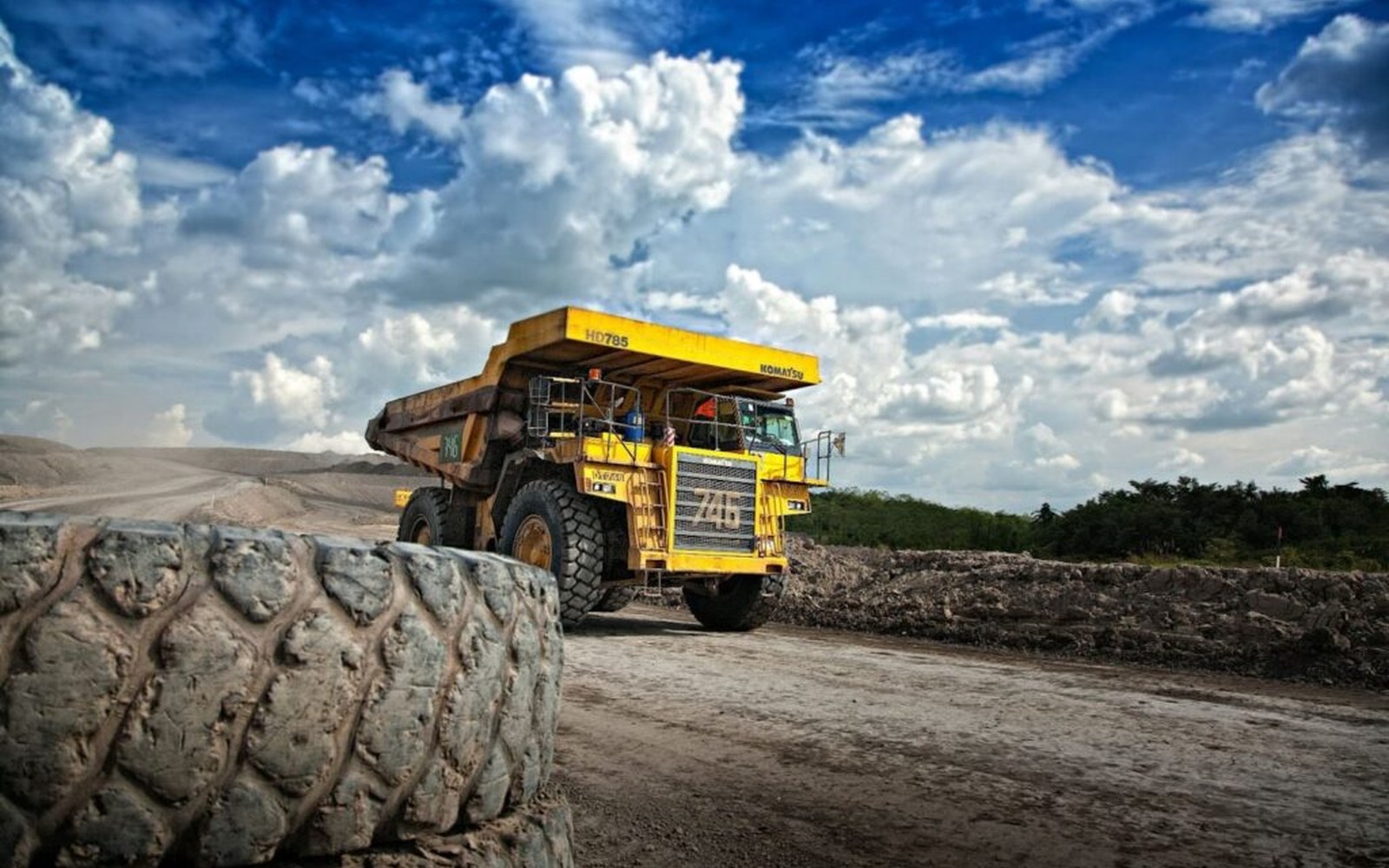
Loading and hauling--Wheel loadersload product from stockpiles into customer trucks and feed secondary crusher hoppers. At larger operations, rigid-frame haul trucks move rock from the blast face to the primary crusher.
Portable Plants vs. Fixed Plant: Capital Approach
The choice between a portable crushing plant and a fixed installation shapes the financing structure. Portable plants are more liquid collateral -- they can be repositioned to follow contract work or sold into an active secondary market. Fixed installations are tied to the permitted quarry and have limited relocation value, which affects advance rates on larger fixed-plant financings.
Portable plant operators often work two or three projects simultaneously with different configurations, and the ability to finance each unit separately as needed provides capital flexibility. We finance portable plants as individual assets regardless of whether the operator has other financed equipment.Used equipment financingfor portable plants is especially active -- a well-maintained 2019-vintage portable jaw and screen at 1,500 operating hours represents excellent value relative to current new replacement cost and is straightforward to underwrite.
Who We Serve in the Aggregate Sector
Aggregate equipment financing clients cover a broad range. Small to mid-size quarry operators who supply local construction projects need capital for crushing capacity expansions, screen replacements, and conveyor upgrades that the fixed quarry revenue can service but that a commercial bank may not understand deeply. Portable plant contractors who bid on DOT projects and commercial site development work need to finance the plant that wins the bid. Ready-mix and asphalt producers who own their own aggregate sources are capital-intensive vertically integrated operations that need equipment lenders who understand the full supply chain.
Recycled aggregate operations -- concrete crushing, asphalt recycling, and C&D debris processing -- are a growing segment. These operations use portable impact and jaw crushers, mobile screens, and material handlers to process demolition material into specification aggregate. The equipment and the financing approach are largely the same as for virgin aggregate production; the feedstock and location model differ. We finance recycled aggregate equipment without treating it as a different risk category from conventional quarry equipment.