Finance haul trucks, electric shovels, ball mills, and ore processing equipment for iron ore mining. Serving Minnesota Iron Range and other domestic producers.
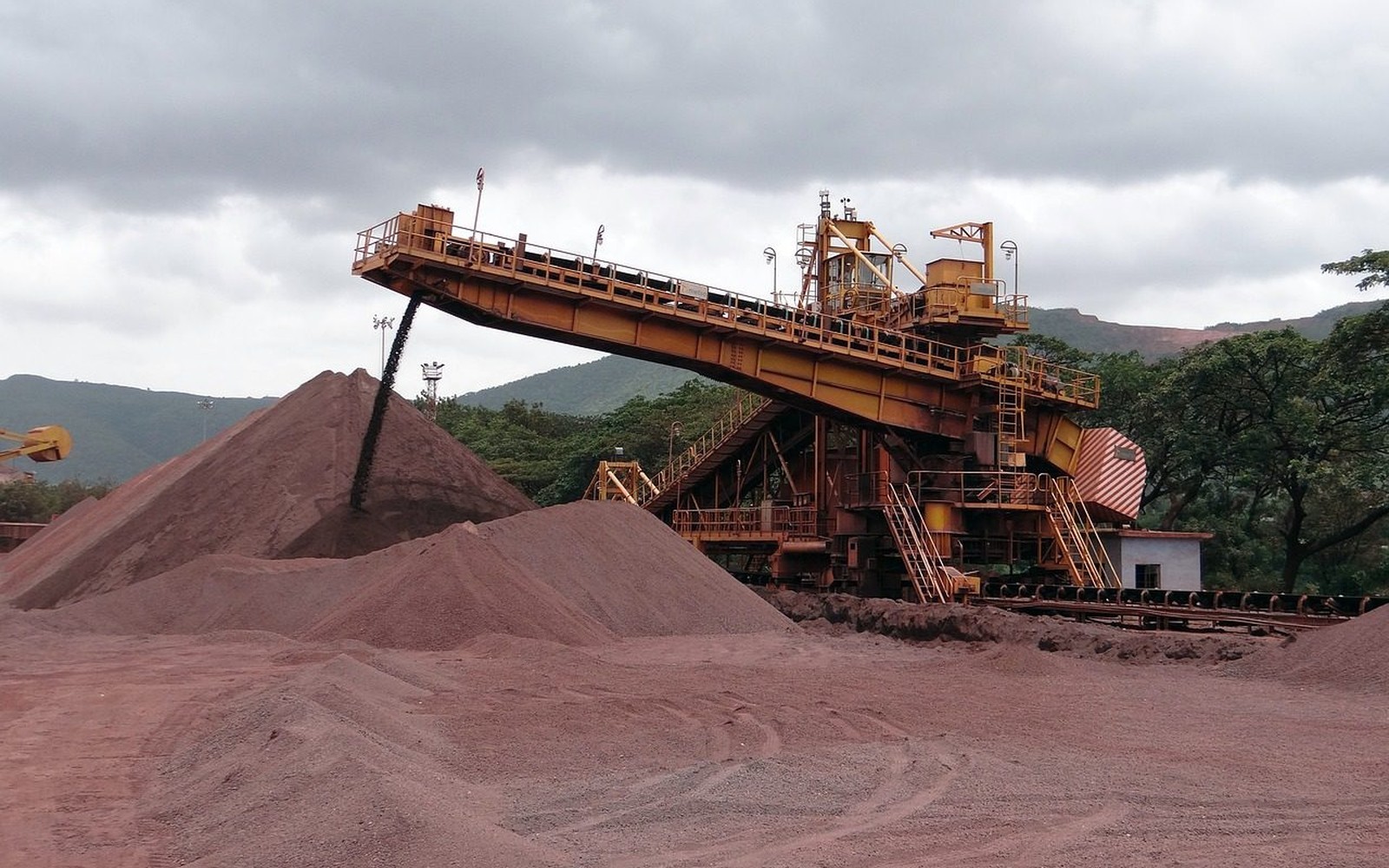
Iron ore mining in the United States runs at a different scale than most extractive industries. The taconite operations of Minnesota's Iron Range process hundreds of millions of tons of low-grade ore annually, using equipment so large that individual machines cost more than many operating companies are worth outright. The economic logic is throughput: a Komatsu 930E or Cat 793 carrying 320 tons per load, cycling 20 to 25 minutes, contributing to a fleet that moves enough ore to feed a pelletizing plant running around the clock. Financing for iron ore is financing for throughput at scale.
We structure equipment financing for iron ore producers ranging from the large taconite operations of the Mesabi Range to smaller magnetite and hematite operations in other states. Equipment eligible for financing includes haul trucks, electric rope shovels, hydraulic excavators, large wheel loaders, ore crushing and grinding circuits, ball and SAG mills, and pelletizing equipment. Purchase, lease, refinance, and sale-leaseback structures are all available. Minimum transaction is $50,000.
Minnesota Iron Range and Other Domestic Sources
The Mesabi Range in northeastern Minnesota is the dominant domestic iron ore source. Operations nearHibbing, MN,Virginia, MN, andEveleth, MNproduce taconite pellets that feed American and Canadian steel mills. The ore grade in the Mesabi is relatively low -- taconite runs roughly 25 to 30% iron before concentration -- which means that for every ton of pellets shipped, several tons of ore and waste have moved through the circuit. That processing intensity drives the equipment demand.
Michigan's Upper Peninsula has iron ore history at Marquette, and smaller magnetite deposits exist in Wyoming, Utah, and other western states. Contract miners supporting the major taconite producers also have equipment financing needs. A drilling contractor or haulage contractor with its own iron faces the same capital requirements as a producer but often lacks the credit profile of a major mining company -- which is precisely the situation where specialized mining equipment lenders outperform commercial banks.
TheDuluth, MNarea serves as the logistics and shipping hub for Iron Range production, with port facilities on Lake Superior that load pellets for steel mills downlake. Equipment dealers and maintenance shops serving the iron ore sector are also concentrated there.
Equipment That Runs an Iron Ore Operation
Taconite and other iron ore operations share a common equipment logic even as the scale varies significantly by operation size.
Loading and haulage--Electric rope shovelswith 50- to 100-cubic-yard dippers are the preferred primary loading equipment at large taconite operations due to their lower operating cost per ton versus hydraulic shovels. The corresponding haul trucks running 150- to 360-ton payloads complete the loading-haulage unit operation. For operations that have transitioned from electric shovels to hydraulic,large hydraulic mining excavatorsin the 500- to 800-ton operating weight range are the loading unit.
Primary crushing--Primary gyratory crushershandle run-of-mine ore as the first processing step. The crusher is usually a fixed installation and represents a single high-value asset with a long service life.
Grinding--Ball millsandSAG millsgrind the crushed ore to liberation size before magnetic separation. These mills are among the highest-capital items in a concentrator circuit. A large ball mill shell can weigh several hundred tons and replacement of liners is a major scheduled maintenance event.
Ancillary equipment-- Water trucks, mining dozers, and motor graders maintain haul roads and pit geometry. These are easier to finance and have active secondary markets.
Terms and Structures for Iron Ore Financing
Iron ore equipment financing terms reflect the asset's useful life and the operator's cash flow cycle. A late-model haul truck or electric shovel can support a five- to seven-year finance term. Fixed processing equipment like a primary crusher or ball mill can sometimes support longer terms when the asset is part of a permitted, operating plant with documented production history.
Lease structures suit operators who want the equipment off their balance sheet or who prefer the operating cost clarity of a fixed monthly payment. Mining equipment loans build equity in the machine from the first payment and result in owned iron at end of term. The choice often comes down to tax planning and whether the operator benefits more from the deduction structure of a lease or from depreciation on an owned asset. Section 179 and bonus depreciation apply to purchased equipment and can shift the economics meaningfully in a purchase's favor for profitable operations.
For transactions over $400,000, we review three months of bank statements and current financial statements. For smaller transactions, application-only approval is available. Funding from approval typically runs ten to fifteen business days on full underwrites; faster for application-only deals.