Mining equipment financing based in or flowing through Reno, NV. Haul trucks, crushers, drills, processing gear. $50k minimum, B/C credit considered.
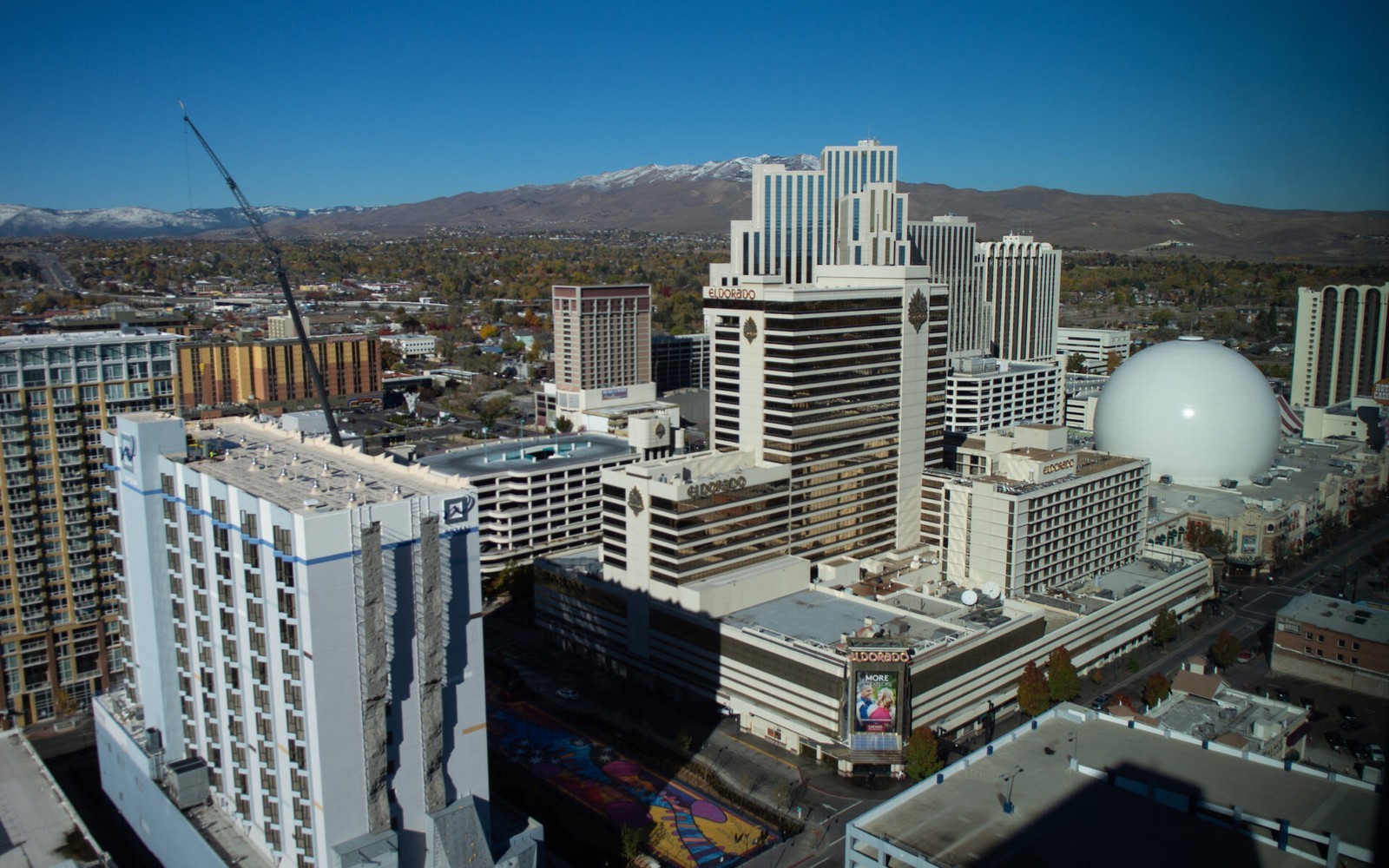
Reno is not a mine site. It is a financial, logistics, and professional services hub for the Nevada mining industry, and that distinction matters when thinking about where equipment financing decisions happen. Mining companies operating anywhere in Nevada, from the Carlin Trend to the Comstock to the emerging lithium plays in Thacker Pass and Kings Valley, often run their treasury and procurement functions through Reno offices. The equipment gets financed through Reno even when the machines sit in Elko or Winnemucca or on a remote exploration claim.
We serve Reno-based mining companies and regional procurement teams handling equipment purchases for operations across Nevada and neighboring states. Our program: $50,000 minimum, new and used equipment, B and C credit considered, application-only up to roughly $400,000, funding in about one to two weeks. The full range of structures applies: purchase loans, operating leases, finance leases, sale-leasebacks, and refinancing.
Reno as Nevada's Mining Finance Center
The University of Nevada Reno's Mackay School of Earth Sciences and Engineering has produced mining engineers and geologists who work across the Western U.S., and the school's presence reinforces Reno's identity as a mining-industry intellectual center. Beyond academia, Reno hosts the offices of equipment dealers, mining supply companies, geology consulting firms, and exploration companies with claims throughout Nevada and the Basin and Range. Nevada's mining industry historically contributes over $10 billion annually to the state economy, and Reno captures a significant share of the professional services and procurement activity that surrounds that output.
The emergence of battery-metal exploration in Nevada, particularly lithium in Humboldt and Elko counties, has added a new category of equipment-finance activity to the Reno market. Exploration companies, junior miners, and contract drillers are all active, and the equipment for early-stage exploration and feasibility work runs from small drill rigs to larger construction and earth-moving equipment as a project advances toward production.
For Reno-based companies with active lithium or other critical mineral projects,lithium mining equipment financingandmineral exploration equipment financingare both relevant programs within our portfolio.
Equipment Types Moving Through Reno Procurement
Procurement teams based in Reno buy the full range of surface and underground mining equipment. On the surface mining side, the capital items are haul trucks, large hydraulic excavators, and blasthole drills. ACaterpillar 797F, which is among the largest mechanical-drive haul trucks built, or aLiebherr T 284, both get financed through our program. These are multi-million dollar assets, and the financing for them requires lenders who understand the asset class deeply.
Underground mining equipment is also a significant category for Reno-based mining companies.Underground drill jumbos, LHD loaders, and underground haul trucks support the hard-rock mining operations that Nevada's geology produces in abundance. Exploration equipment, from core drill rigs to support vehicles, finances at lower transaction sizes but follows the same process.
Processing equipment is a major capital category for operations moving from exploration to production. Crushers, grinding mills, and SAG mills represent large single-asset transactions, and financing them through our program gives Reno-based procurement teams a structure that conventional lenders typically cannot match on speed or flexibility.
- Large-class haul trucks (Caterpillar, Komatsu, Liebherr)
- Hydraulic mining excavators and shovels
- Underground drill jumbos and LHD loaders
- Core and exploration drill rigs
- Crushers, mills, and processing plant components
Structures and Terms for Reno-Based Buyers
Reno buyers often compare multiple financing structures before committing. The choice between an equipment loan, a finance lease with a dollar buyout, and an operating lease with a fair-market-value option affects the balance sheet treatment, the tax deduction timing, and the flexibility at end of term. We present the options clearly and without a preference, because the right structure depends on the buyer's tax position, cash flow, and intended equipment use period.
For companies that want to retain balance-sheet flexibility, operating leases keep the asset off the debt column. For buyers who want to own at the end and maximize depreciation deductions, a loan or finance lease is typically better. For companies that cycle through equipment and want the option to return, upgrade, or buyout, a structure with afair-market-value buyout option versus a dollar buyoutmatters.
Term lengths for major mining assets typically run 48 to 84 months. Down payment requirements vary by credit quality and asset type.Zero down payment structuresare available for qualified borrowers, which is relevant for Reno-based companies that want to preserve cash for operations or exploration spending.
Related Financing Programs
Companies with existing equipment on their books have additional options beyond purchase financing.Equipment refinancingis relevant when a machine was originally financed at a rate that no longer reflects current market conditions, or when a term extension would improve cash flow. Sale-leaseback transactions let Reno-based companies convert equity in paid-off equipment into capital without selling the machine or removing it from service.
For companies with multiple pieces of equipment to finance, a master lease or a line-of-credit structure may make more sense than a series of individual transactions. These blanket structures let procurement teams draw against approved capacity as equipment is purchased, streamlining the process for active buyers.