Finance haul trucks, shovels, crushers, and SX-EW equipment for copper mining operations. New and used, fast approvals, funding in 1-2 weeks.
Copper porphyry deposits demand massive throughput to be profitable -- the ore grades are low, measured in fractions of a percent, and the economics only work when you are moving tens of thousands of tons per day. That throughput requirement means large fleets, large machines, and large capital commitments. A Morenci or a Bagdad in Arizona is not running one haul truck; it is running dozens. Equipment availability across that fleet is the production number, and equipment financing that understands fleet economics is what operators here need.
We structure financing for copper mining equipment across the equipment spectrum -- from primary loading and haulage through crushing, concentrating, and SX-EW processing infrastructure. Transactions start at $50,000 and scale to multi-machine packages for fleet additions and replacements. New machines, auction acquisitions, dealer used iron, and private-party purchases between mining companies all fall within our program. Decisions on application-only transactions up to roughly $400,000 come quickly, often within 24 to 48 hours of a complete submission.
Equipment Profiles in Copper Production
Copper mining equipment financing covers a distinct set of asset classes. Understanding what lenders see when they look at these machines matters to how deals get structured.
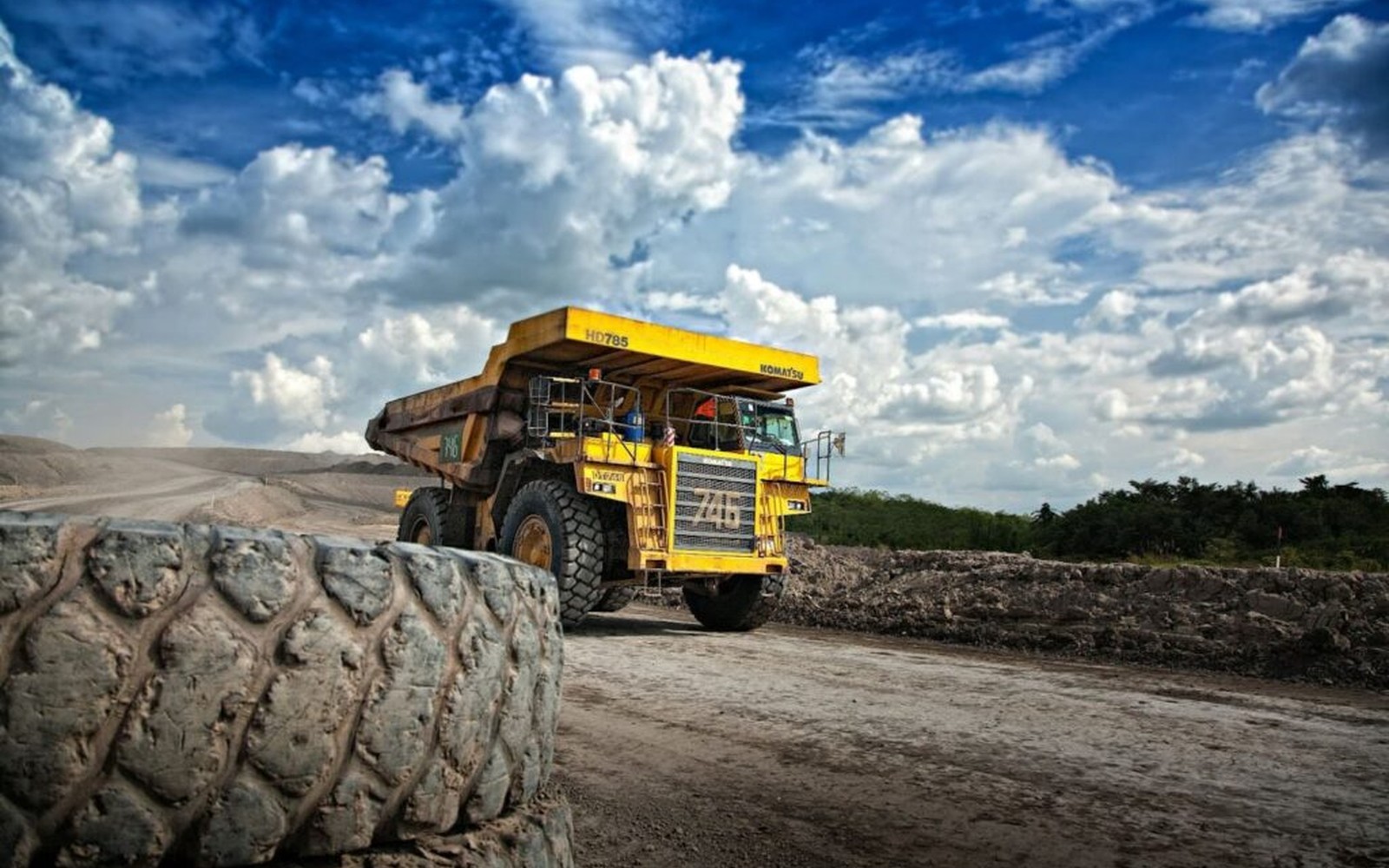
Loading and haulage-- Largeelectric rope shovelsandhydraulic mining excavatorsin the 250- to 800-ton operating weight class load rigid-frame haul trucks running 150 to 360-ton payloads. The copper porphyry open pit is where some of the world's largest mobile equipment works. These assets carry strong collateral value because the secondary market for large mining iron has depth -- major auction houses like Ritchie Bros. run regular mining equipment events and provide meaningful price transparency.
Drilling--Blasthole rotary drillsin the 9- to 17-inch diameter range drill the bench patterns before blasting. Caterpillar MD6 and Epiroc Pit Viper platforms are common. These are high-value, purpose-built assets with long service lives when maintained.
Processing-- Primary and secondary crushers, SAG mills, ball mills, flotation cells, and SX-EW tankhouse equipment represent fixed-plant capital.Gyratory crushersat the primary position handle the initial size reduction from run-of-mine ore. These assets are site-specific but carry real liquidation value when a project changes hands.
Ancillary fleet-- Water trucks, motor graders, and mining dozers maintain haul roads, control dust, and manage the pit geometry. These are shorter-cycle, higher-liquidity assets that are often simpler to finance.
Arizona, New Mexico, Utah, and the Copper Belt
Domestic copper production concentrates in the Southwest. Arizona accounts for the largest share of US copper output, with major porphyry operations at Morenci (the largest copper mine in North America), Bagdad, Ray, Sierrita, and Resolution (in development). New Mexico's Chino and Santa Rita mines have produced continuously for over a century. Utah's Bingham Canyon (Kennecott) is one of the deepest open-pit mines in the world. Operators based nearTucson, AZ,Globe, AZ, andSalt Lake City, UT-- the logistics and services hubs for these operations -- are regular clients in our financing pipeline.
Junior and mid-tier copper producers, contract miners supporting the majors, and equipment dealers who supply the copper sector all have financing needs that commercial banks do not always serve efficiently. Long equipment lead times, significant down payments on new machines, and the cyclicality of copper pricing can all create capital timing problems that structured equipment financing solves cleanly.
Refinancing and Sale-Leaseback Options
Copper operations that own significant iron outright sit on collateral that can be converted to operating capital. ASale-Leaseback Financingon a fleet of haul trucks or a primary crusher converts owned assets to cash while the equipment stays in production. The operator receives a lump sum at closing, makes structured lease payments over the term, and may have a buyout option at end of term. This structure is particularly useful when copper prices recover and an operator wants capital to expand production without selling equity or taking on corporate-level debt.
Cash-out refinancing works similarly for assets with existing liens. If you financed a machine two years ago and values have held (or the balance has paid down), there may be equity available against which we can lend. Three months of bank statements, a current appraisal, and a clear picture of the machine's hours and condition are the core documents for that conversation.
Who We Work With
Our copper financing clients fall into several categories. Independent contract miners who provide drilling, blasting, or haulage services to the major producers need their own iron and need to finance it competitively. Junior copper companies bringing a project from exploration toward production need equipment for pre-production stripping and early mine development. Equipment dealers who buy copper mining iron at auction and resell to operators sometimes need floor-plan or bridge financing. And established mid-tier producers periodically need fleet additions or replacements financed outside their main credit facility.
Themining equipment leasingstructure suits operators who want to preserve balance sheet flexibility or align payments with production cycles. A term loan or finance lease with a fixed monthly payment works better for operators who prefer ownership and want to capture residual value at end of term. We discuss both and recommend based on the operator's specific tax position and capital plan.