Finance jaw crushers, cone crushers, screening plants, haul trucks, and wash plants for crushed stone operations. $50k minimum, decisions in days, B/C credit considered.
Crushed stone production is tonnage math. Every hour a primary crusher sits idle or a haul truck waits for financing approval, the quarry bleeds against fixed costs: permits, royalties, labor, and overhead that run whether the plant runs or not. We finance the iron that keeps that math in your favor.
Crushed stone is the backbone of road base, concrete aggregate, and rail ballast production across the country. The equipment required ranges fromjaw crushers pulling primary reductionall the way through secondary cones, vibrating screens, conveyors, and load-out haul trucks. None of it is cheap, and most of it is specialized enough that general-purpose lenders either won't touch it or price it too high to make sense. We work specifically in this space.
Our minimum is $50,000. The sweet spot we see most often is $100,000 to $1.5 million per transaction, which covers most single-machine purchases and smaller fleet additions. Funding typically closes in one to two weeks from application. New and used equipment both qualify. B and C credit profiles are considered, not automatically declined. Application-only approval is available up to approximately $400,000 for well-qualified operators.
What Equipment We Finance for Crushed Stone Operations
The crushing circuit is the heart of a stone quarry, and we finance every component of it. Primaryjaw crushershandling feed material from 24-inch down to 8-inch reduction are common starting points. Secondary and tertiarycone crushersthat take that material to final product sizes are often financed alongside the primary or as standalone additions when capacity expands.
Screening plants are the other critical piece. A quarry producing DOT-spec road base, #57 stone, or rip-rap needs calibrated vibrating screens to hit gradation specs consistently. We financescreening plantsas standalone units or bundled with crushing circuits. Portable and mobile crushing setups that allow operators to move closer to the face or service multiple sites are eligible as well.
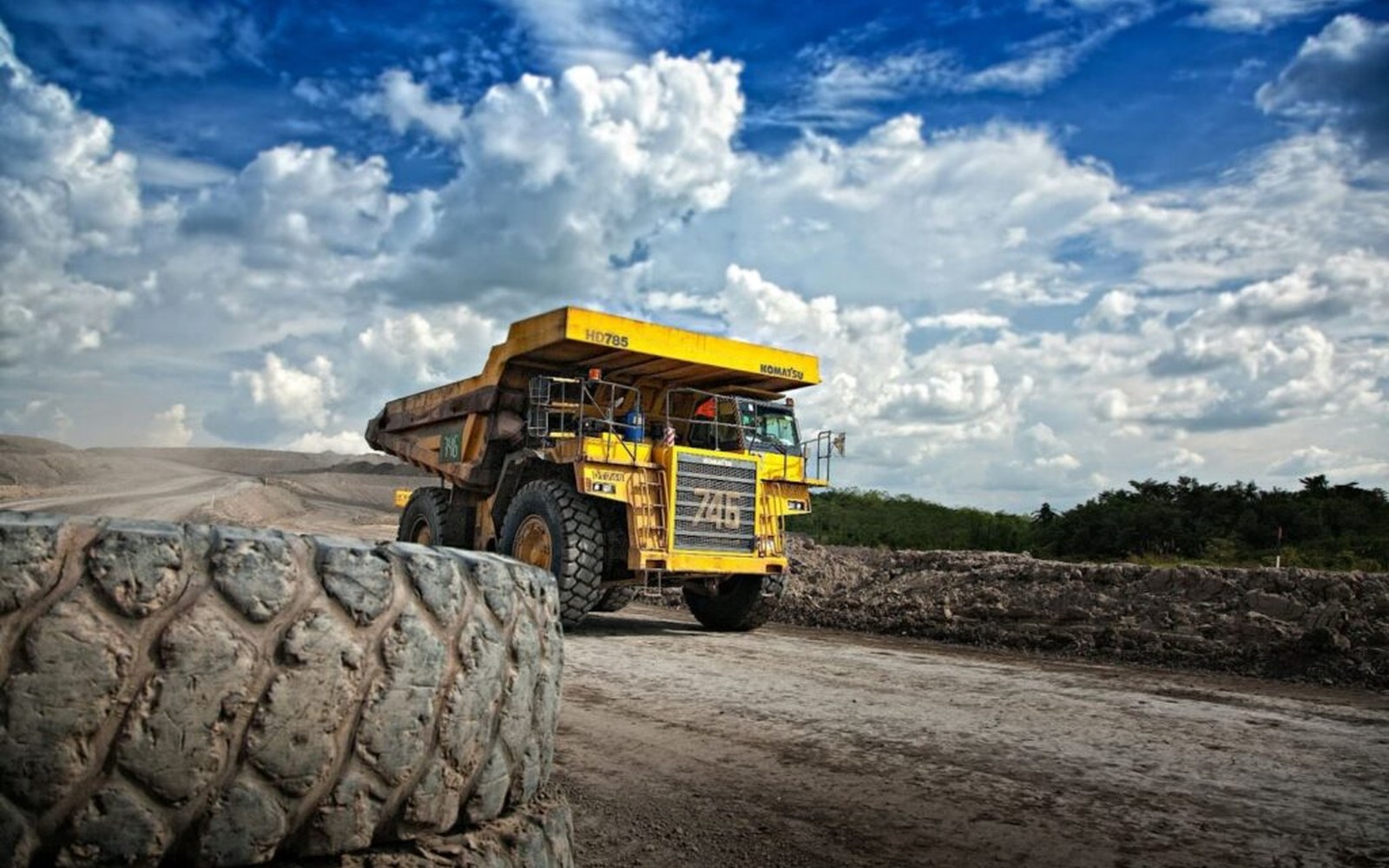
On the haulage side, rigid-frame haul trucks moving shot rock from the face to the primary crusher are standard equipment in medium to large quarry operations. Wheel loaders handling feed and load-out are also commonly financed. Conveyors moving finished product to stockpiles or load-out points are eligible, including longer overland systems.
- Primary jaw crushers and primary gyratory crushers
- Secondary and tertiary cone crushers
- Vibrating screens and screening plants
- Mobile and portable crushing plants
- Haul trucks and rigid-frame trucks for shot rock movement
- Large wheel loaders for quarry feed and load-out
- Conveyor systems for product transfer
- Wash plants for clean-stone aggregate production
The Economics Behind Stone Quarry Financing
Crushed stone demand tracks infrastructure spending closely. Transportation bills, state DOT programs, and private construction all drive aggregate consumption. Quarry operators serving highway construction markets often face lumpy demand cycles, with very high utilization periods followed by slower winters in northern climates. Financing structures that account for that seasonality, whether through deferred payment starts or term lengths matched to contract duration, make a real difference in cash flow management.
Limestone and granite quarries have different capital profiles. Limestone operations often invest heavily in processing equipment because the material is used not just for aggregate but for agricultural lime and chemical-grade limestone, requiring washing and finer gradation control. Granite quarries tend to push harder on primary crushing tonnage and haul truck availability. Both need lenders who understand that the equipment is the revenue engine, not just collateral.
Used equipment is a major factor in this industry. A well-maintained jaw crusher or cone crusher from a reputable manufacturer holds value over long cycles, and many operators source used machinery from auctions or other quarry closures. We finance those private-party and auction purchases, not just dealer transactions.
How the Process Works
The application covers basic business information, the equipment you intend to purchase, and the purchase source (dealer, auction, or private party). For transactions under approximately $400,000, a credit decision can often be made on the application alone. Larger transactions require three months of bank statements and, for deals above $1 million, financials that show the operation's debt service capacity.
Once approved, funding closes and the vendor or seller is paid directly. Title and lien are handled as part of closing. The typical timeline from completed application to funded deal is one to two weeks. If your situation involves a time-sensitive auction purchase or a seller who needs to close quickly, let us know upfront and we will prioritize accordingly.
Operators in theaggregate mining spaceoften run multiple financing structures across a fleet. We can handle new purchase loans, refinancing of existing equipment, and sale-leaseback arrangements for machines you already own and want to pull equity from. Each deal is structured separately around the specific asset and your current credit and cash position.
Refinancing and Sale-Leaseback for Existing Quarry Equipment
If you already own a crusher, screen, or haul truck with equity in it, a sale-leaseback or cash-out refinance can put that capital to work elsewhere in the operation. Maybe you need to fund a blasting contract, cover royalty payments during a slow quarter, or purchase additional equipment without a traditional down payment. Sale-leaseback lets you sell the machine to a financing company at a fair value, receive the cash, and continue operating the equipment under a lease. At the end of the term, you either buy it back or walk away depending on the structure.
Equipment refinancing works similarly but retains ownership throughout: you refinance the existing balance and pull out additional cash if equity is present. Both paths are available on crushing, screening, and haulage equipment as long as the asset is in operable condition and has verifiable market value.
Operators consideringsale-leaseback financingon quarry iron typically do so to fund expansion, retire higher-rate debt, or cover capital improvements without drawing on operating lines. We can model both structures and help you compare the cost.