Finance used haul trucks, shovels, drills, and processing equipment. We work with pre-owned mining iron from reputable sources with documented maintenance histories.
Most production-scale mining equipment has multiple operating lives. A haul truck rebuilt to OEM specification at 20,000 hours enters what is effectively a second life with reliable availability numbers for another cycle. Experienced mining operators know that sourcing well-maintained used iron at the right point in its service cycle, financing it properly, and running it through a defined operational window before the next rebuild is a sound capital strategy, often better than paying new-iron prices for the same machine with fewer hours on it.
Used mining equipment financing is a specialty. The underwriting is different from new-iron financing because lenders must assess the machine's remaining productive life rather than relying on a known depreciation schedule from a clean starting point. We work with lenders who have specific experience in mining equipment, understand rebuild intervals for the major makes and models, and can structure terms that match the remaining duty cycle on a used machine without pushing the loan past the point where the collateral becomes unsupportable.
What Lenders Look at in Used Mining Equipment
The underwriting on used mining iron revolves around four questions: who is the maker, what are the hours, what is the maintenance history, and what was the application? Brand matters because the used market depth for a Caterpillar 793 or a Komatsu 930E is vastly deeper than for a less-recognized make. That liquidity protects the lender's collateral position if something goes wrong and they need to sell the machine. Brands with thin used markets are harder to finance for exactly this reason.
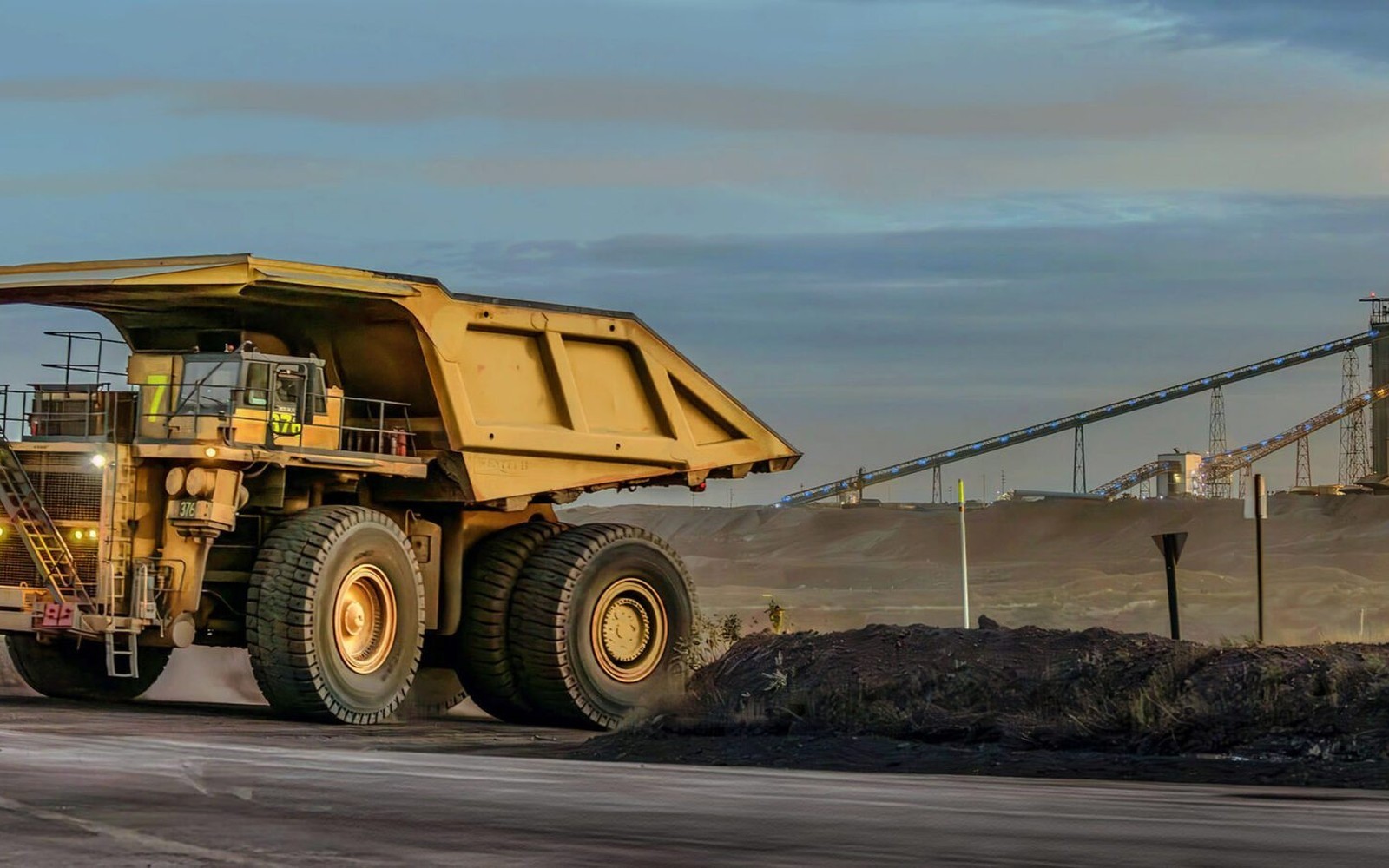
Hours are the single most important factor in estimating remaining useful life. For a rigid-frame haul truck, the major powertrain and structural rebuild intervals are published by the manufacturer and widely understood in the market. A truck approaching those intervals requires less favorable loan terms than one that just completed a rebuild. For an operation financing a machine that is 8,000 hours into a 20,000-hour overhaul interval, the math is very different than one at 18,000 hours.
Maintenance history documentation closes the gap between hours on the clock and condition of the machine. An operations department that has maintained a complete service record, including oil analysis reports, component replacement logs, and inspection records, is telling a far better story than one that simply quotes the hour count. When we present a used transaction to lenders, the maintenance package is as important as the financial package on the borrower.
Application context matters for component wear prediction. Ahaul truckrunning on a short, tight haul cycle in a hard-rock pit accumulates different wear than the same unit making long-distance hauls on a well-maintained road. Swing-intensive applications wear undercarriage faster than point-to-point haulage. Lenders with real mining experience understand these nuances; those without it do not, which is why borrower selection on the lender side matters as much as equipment selection on the buyer side.
Used vs. New: Making the Financial Case
The capital case for used equipment in mining is not primarily about the lower purchase price, though that obviously matters. The more interesting argument is capital efficiency. A used machine that has already absorbed the steepest portion of its depreciation curve presents a smaller loss in market value per operating hour over a defined ownership window. If an operation plans to run a specific piece of equipment for five years and then trade it, the difference in depreciation loss between a three-year-old unit and a new unit over that five-year window can be substantial.
New equipment from OEM dealers comes with warranty coverage, current parts availability, and access to dealer telematics programs, which have real value in remote operations. The financing for new equipment is also often easier to structure because the risk profile is cleaner. For operations that can absorb the higher capital cost and value the support infrastructure, new equipment is the right answer. For operations that are capital-constrained, running a fleet on proven used iron with a disciplined maintenance program is a legitimate and frequently practiced strategy at every scale of mining operation.
The middle ground is late-model used equipment, typically one to four years old with hours well below the first major rebuild interval. This category offers the best of both: most of the steep initial depreciation is absorbed by the first owner, but the machine still has substantial productive life and often retains some dealer support availability.Mining dozersandwheel loadersin this age range are popular financing targets for exactly this reason.
Used Equipment We Can Finance
Major categories of used mining equipment we finance regularly include haul trucks from Class 40 through ultra-class, hydraulic excavators and shovels in the production range, wheel loaders, track dozers and motor graders, drill rigs including blasthole drills and underground jumbos, crushers, screens, and processing plant components.
Age limits vary by machine type and lender. Mobile haulage equipment typically qualifies up to 15 to 20 years old when hours and condition support it. Processing equipment, which often has longer service lives than mobile iron, may qualify at greater age when documentation supports continued productive capacity. Some lenders impose hard cutoffs on equipment age regardless of condition; others focus on remaining productive life as the relevant metric. We match transactions with lenders whose credit parameters fit the specific machine.
Equipment coming out of auctions, dealer used lots, and private-party sales all qualify, subject to the documentation and condition requirements. Auction purchases often require an inspection report before financing commits, because the auction environment does not always provide the maintenance history documentation that lenders want on higher-value transactions.
Process and Timeline for Used Equipment Financing
Financing timeline on used equipment is comparable to new iron once the documentation package is assembled. The additional step is the equipment inspection or condition report, which adds time but is usually manageable. For transactions at auction or in rapidly moving private markets, we can prioritize the inspection and move quickly when the buyer has found the right machine and needs to act.
For transactions below approximately $400k with a creditworthy operator,application-only approvalis available on qualifying used equipment. This compresses the process significantly and allows for same-day or next-day decisions on straightforward transactions. Above that threshold, a full financial package is required, but turnaround on a complete submission is typically two to five business days to approval.
Operations pursuing used equipment from mines in active decommissioning or distress situations should move quickly. Price discovery in those situations can be favorable, but competition from other buyers is real and financing that cannot commit quickly may miss the opportunity. We have expedited processes specifically for time-sensitive transactions, and flagging the urgency at first contact ensures we treat the file accordingly.