Finance longwall shearer, face conveyors, powered roof supports, and complete longwall systems. Big-ticket underground coal financing with real structure. Get quotes now.
A longwall panel, when it is running, produces coal at a rate that no other underground method matches. Shearer availability, face conveyor uptime, and hydraulic shield performance determine whether the panel hits its daily tonnage or falls short. The capital behind a longwall system is substantial by any measure: a complete new system with shearer, armored face conveyor, stage-loader, crusher, and powered roof supports can exceed $50 million for large panel configurations. Even a used system sourced from a mine restructuring or a model upgrade can represent $5 million to $20 million in equipment value.
We finance longwall equipment at the system level and at the component level. A mine that already has shields and a face conveyor but needs a new or rebuilt shearer is a very different deal from a mine standing up a greenfield longwall panel. We handle both. We also finance tail drives, monorails, and the auxiliary equipment that keeps a longwall section productive between panel moves. Our minimum is $50,000 though most longwall transactions start well above that. B and C credit are evaluated on a case-by-case basis and most funded deals close in about one to two weeks from completed application.
Longwall Components and What Matters in Underwriting
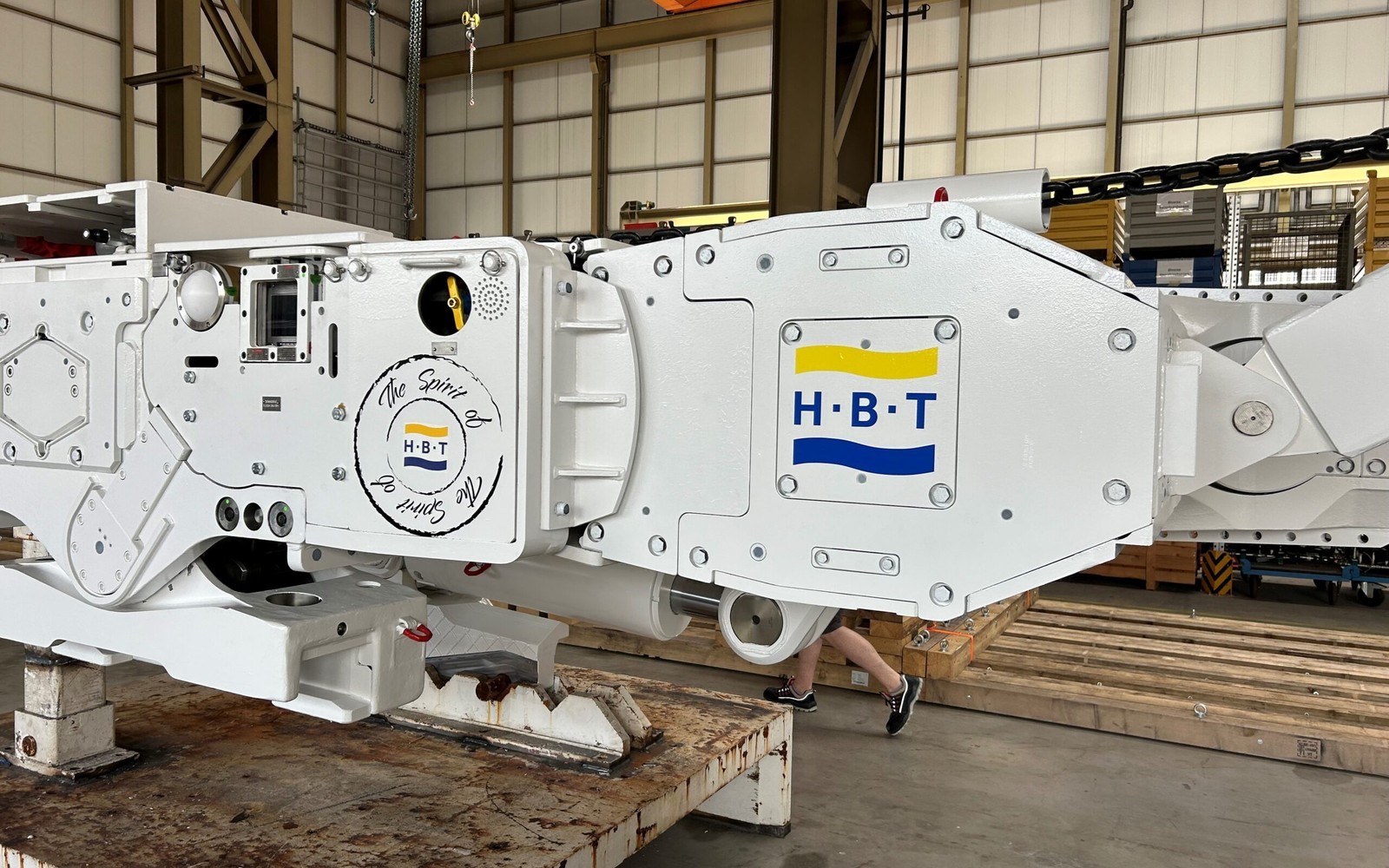
The shearer is the production machine. Joy (Komatsu Mining) and Eickhoff are the two primary shearer platforms in American underground coal, with Eickhoff holding a significant share of operating longwall capacity in Illinois Basin and Central Appalachian mines. Shearer prices vary significantly by cutting head drum size, installed horsepower, and automation level. Rebuilt Joy 7LS and 4LS shearers and Eickhoff SL500 and SL750 series machines are commonly traded in secondary markets, and we finance these acquisitions when the rebuild documentation supports the credit.
Powered roof supports, commonly called shields or chocks, are the next largest capital line item. A set of 150 to 200 shields for a modern longwall panel represents an enormous capital commitment. Shield condition and remaining leg cylinder life matter as much as age in determining value. Shields rebuilt through a certified program with new leg cylinders and control systems can have productive lives that far exceed their original installation date. We look at condition rather than calendar age when establishing advance rates.
Armored face conveyors and stage-loaders are high-wear items with significant replacement chain and flight bar costs. These are assets we finance as part of complete systems or as standalone replacements when an existing face conveyor has reached end of chain life. Drive units and gearboxes are where most AFCs fail, and knowing whether a unit has had drive work recently matters to us in structuring a term.
Longwall operations in the Illinois Basin at mines nearBeckley, WVand throughout the Appalachian coalfields tend to run panels in the 800-foot to 1,400-foot face width range, with height configurations tied to the specific seam. Face configuration and seam height directly influence the shield spec and shearer drum size, which drives unit values. We understand these specifications and do not need them explained from scratch.
Deal Size, Terms, and What to Expect
Longwall system financing at the full-system level is large-ticket structured credit. Complete new systems exceed the application-only threshold substantially, and complete used system acquisitions often do as well. For these deals, we work from detailed equipment lists, inspection reports, and financial documentation including three months of bank statements and often a set of operating financials. The diligence reflects the size of the transaction.
Terms for longwall equipment typically run five to seven years on well-documented systems with strong production histories. Shields with recent leg rebuilds and a shearer with a clear overhaul history can support the longer end of that range. High-hour components on an uncertain maintenance history push us toward shorter terms or higher advance thresholds.
At the component level, financing is more straightforward. A replacement shearer, a set of 40 shields to extend a longwall panel, or a new stage-loader and crusher can each be underwritten as individual equipment transactions. These component deals often fall in ranges where documentation requirements are lighter and timelines are faster.Application-only financingcovers the lower end of the component range and avoids the need for bank statements altogether on qualifying deals.
Sale-leaseback on longwall components, particularly shields and complete systems at mines that own their equipment free and clear, has funded capital programs at multiple coal operations. If you have paid-off longwall equipment on an active panel, that is equity you can monetize without taking the equipment out of service.Sale-leaseback financingon underground coal assets is something we have structured before and understand how to execute.
Pulling Capital Out of Existing Longwall Equipment
Longwall equipment that has been paid down represents capital sitting in the ground, literally. A shearer you financed four years ago and have paid off is an asset with real market value. That value can be extracted through a cash-out refinance or a sale-leaseback without moving the machine or disrupting production.
Cash-out on an existing longwall equipment note is structured the same way as on any piece of equipment: we payoff the existing obligation, advance cash above the payoff, and put in place a new payment structure. The cash has funded exploration programs, panel development costs, and capital equipment purchases at other sections.Cash-out equipment refinanceis a practical tool when you need capital and you have equipment equity available.
Sale-leaseback works especially well for longwall components because the equipment stays in place and in service throughout the transaction. The mine's production is unaffected. The only change is the ownership structure and the payment obligation that comes with it. For mines evaluating capital allocation across multiple priorities, this is often the most operationally efficient way to access equipment equity.
Related Equipment and Financing Connections
Longwall sections run alongside a broader underground infrastructure. Roof bolters secure entries and setup rooms. Shuttle cars or conveyor belts handle coal from the section through to the main belt. Continuous miners cut the setup entries that the longwall retreats through. Each of these asset classes has its own financing considerations and we cover all of them.
Roof bolters are the first line of ground control and they run constantly in a longwall operation's development phase. Ourroof bolter financingpage covers that equipment in detail. For the haulage side,shuttle car financingaddresses the battery-powered and cable-reel cars that handle production from the continuous miner sections feeding longwall development entries.
Operators with broader fleet needs often use our coverage ofunderground mining equipment financingto see how we approach the full range of underground capital equipment, from the shaft to the surface tipple.