Finance mining dozers for dump spreading, reclamation, push-loading, and haul road maintenance. Cat D11, Komatsu D475, and more. B/C credit considered. Get quotes.
Mining dozers are the unacknowledged workhorse of the surface operation. They do not move the ore, they do not drill the blast, and they do not carry the haul. What they do is make everything else work. The waste dump needs constant spreading and compaction, or it becomes an unstable mess that shuts down the haul road above it. The primary crusher ramp has to be graded and maintained, or the 240-ton trucks lose traction. The haul roads need ripping and re-grading after each blast. The toe of the pit gets pushed clean so the shovels can reach it. None of this happens without a dozer, and in a large open-pit mine, none of it can fall behind without consequences that ripple through the entire production chain.
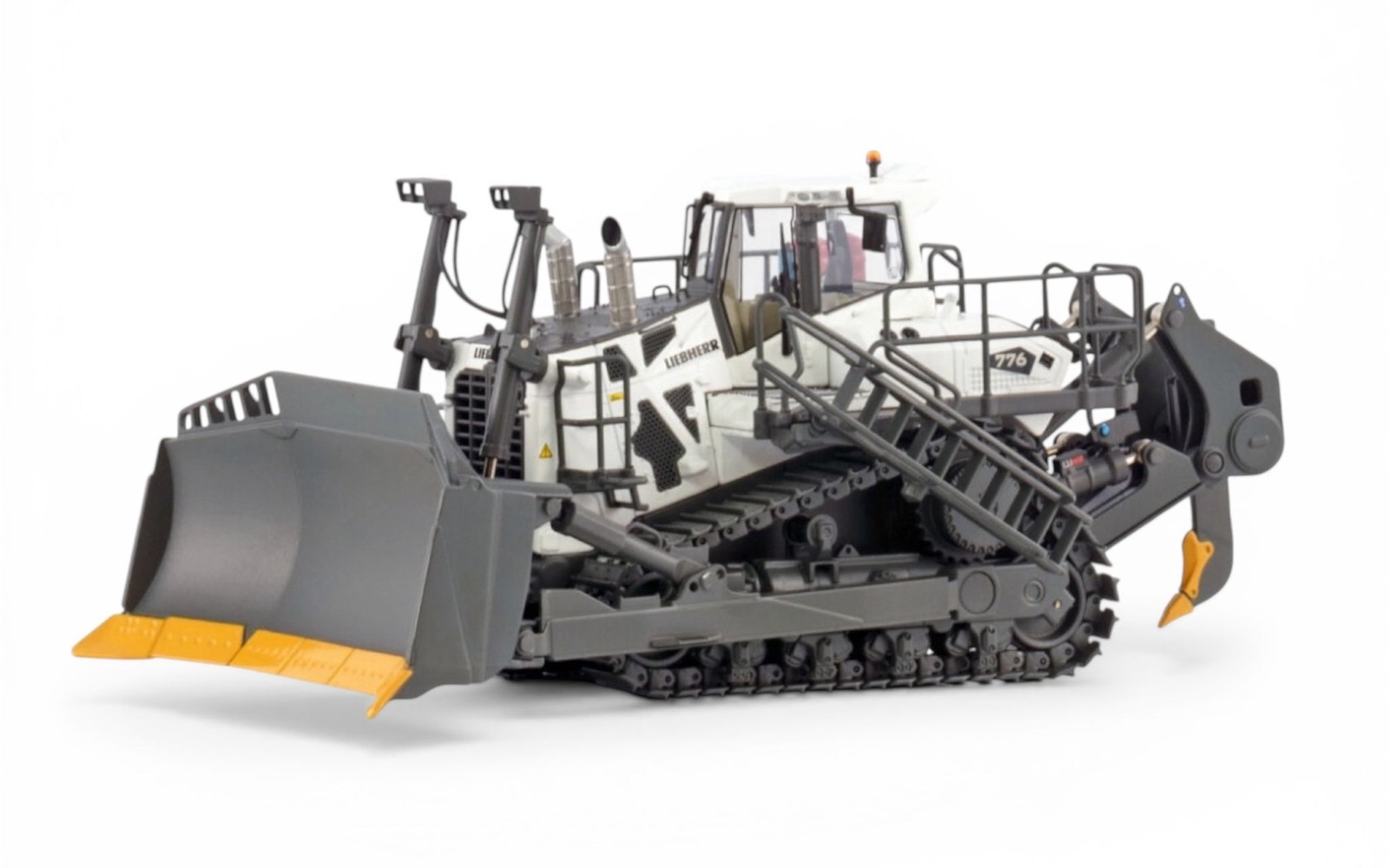
Mining dozers in the class that surface mines actually run, the Caterpillar D10 and D11, the Komatsu D375 and D475, the Liebherr PR 776, are expensive machines. A new Caterpillar D11 dozer represents a capital commitment that starts around $2 million for base configurations and goes up significantly with full mining-spec equipment and undercarriage options. A used D11 in good condition with a recent undercarriage and fresh engine work still trades well above $500,000. The financing for these machines requires expertise in the asset class, not a general approach borrowed from construction equipment underwriting.
Who Runs Mining Dozers
Large open-pit mine operators are the primary market for true mining-class dozers. A copper mine in Arizona or Nevada running 240-ton haul trucks might operate three or four large dozers continuously: one on the waste dump, one on haul road maintenance, one grading the pit ramps, and potentially one on standby or scheduled maintenance. Each of those machines represents capital that needs financing support at some point in its life cycle.
Contract mining companies who bid pit development, waste stripping, or haul road construction contracts often acquire large dozers specifically for those contracts. The dozer is financed against the contract revenue, and the deal structure needs to account for the contract term and payment schedule. We have structured mining dozer financing around exactly this kind of contract-backed revenue visibility.
Coal mining operations use dozers extensively for push-loading on smaller thin-seam operations, waste handling on strip mines, and reclamation work required by permit. Coal operations in West Virginia aroundBeckleyandMorgantownrepresent this kind of dozer demand, though the equipment sizes tend to be smaller than the ultra-class machines at large copper or iron ore operations.
Aggregate quarry operators use dozers for quarry development, bench preparation, and clearing. Their machines tend to be smaller than pure mining-class but still represent significant capital running about $200k to $600k for a mid-size track dozer in production service.
What We Look at on a Mining Dozer
The undercarriage is the dominant variable on a used mining dozer. Track pads, rollers, idlers, and sprockets on a large dozer represent a six-figure replacement cost when worn through. The undercarriage percentage remaining on a used machine directly affects how long the machine can work before that investment is required, which flows directly into the deal structure. We ask about undercarriage life remaining and want documentation from a dealer or OEM inspection where possible.
Engine and power train condition is the second major variable. Mining dozers run at high loads and high ambient temperatures in many operations. Engine hours and the date of the last major overhaul tell us a lot about the forward maintenance curve. On machines above 15,000 engine hours without a documented overhaul, near-term engine work is a cost that has to factor into the underwriting picture.
Blade condition and hydraulic system integrity are secondary but relevant. A worn cutting edge is a consumable expense. Cylinder seal deterioration and hydraulic pump wear are higher-cost issues that suggest deferred maintenance.
For financing on specific models like theCaterpillar D11andKomatsu D375, we have a baseline understanding of typical overhaul schedules, parts costs, and resale market behavior that informs our advance rates and term structures.
Refinancing and Equity Access on Mining Dozers
Mining dozers accumulate equity that operators sometimes overlook. A D11 purchased four years ago with a substantial down payment, or financed early in its life and now carrying a low balance relative to current value, represents idle capital. Acash-out equipment refinancecan unlock that equity while the machine keeps working. The proceeds go to working capital, parts inventory, or the next piece of equipment the operation needs.
Sale-leaseback on paid-off dozers follows the same logic. The machine stays at the mine, you get capital from the transaction, and the monthly lease payment replaces zero with a manageable obligation. For mine operators managing through a commodity price trough where capital preservation matters, this structure has real value.
We also handlemining equipment loansfor straight purchase financing where you want to own the asset outright at the end of the term rather than lease. The distinction between owning and leasing matters for some operators from a depreciation and tax standpoint, so we structure both.