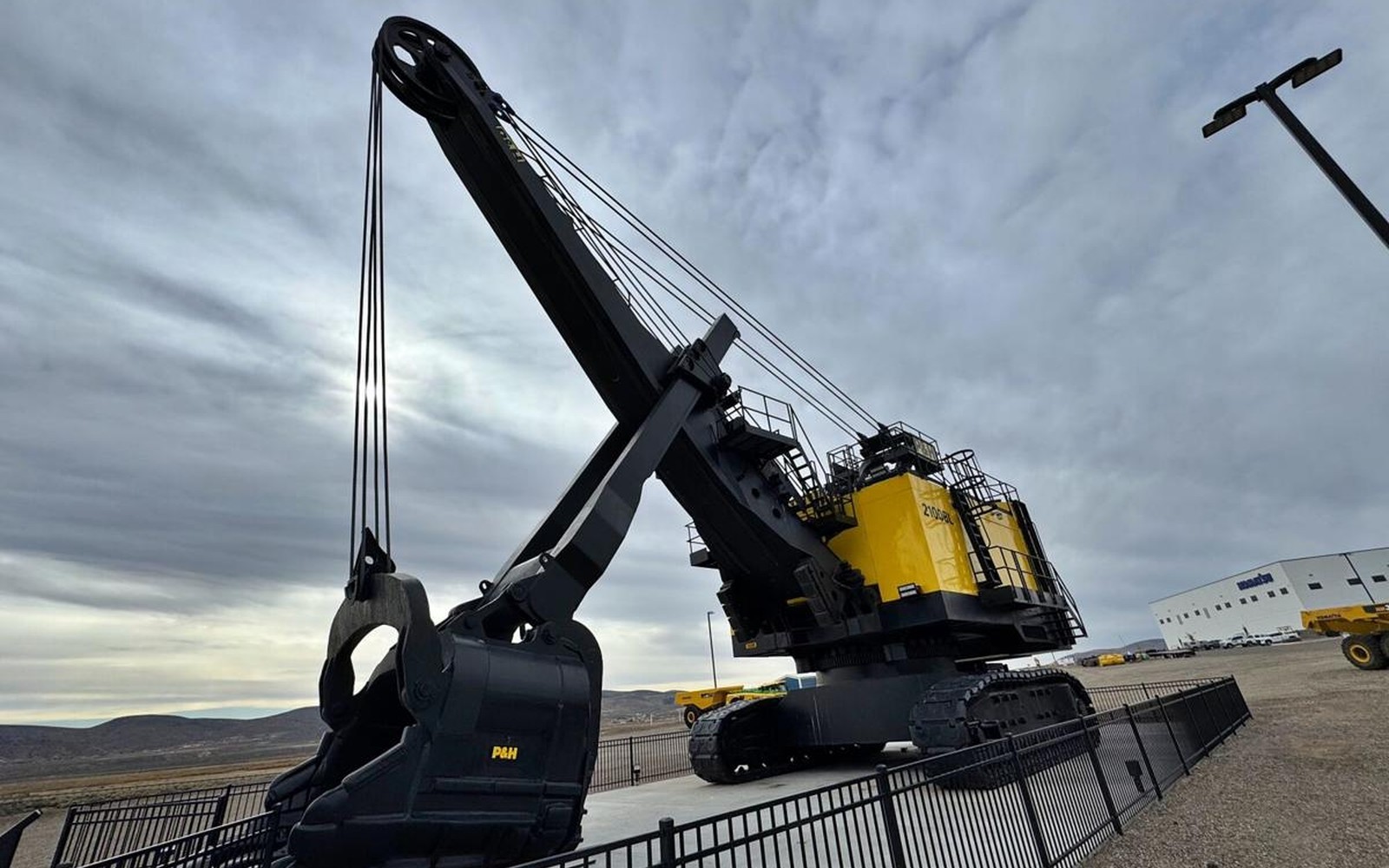
Finance hydraulic or electric rope mining shovels for surface and open-pit operations. Large-ticket expertise, fast processing, B/C credit reviewed. Get quotes.
A mining shovel working at capacity is one of the highest-value pieces of production machinery on the planet. The bucket fill factor, cycle time, and match-factor with your haul fleet determine whether the operation runs at plan or falls short. When that machine needs to be financed, it demands a capital partner who reads the same production numbers you do, understands why shovel availability is so critical to mine throughput, and can structure debt around an asset that may represent $10 million, $20 million, or more in capital outlay.
Mining shovels fall into two fundamental categories: electric rope shovels and hydraulic face shovels. Both can be financed, though they attract different lenders and require different underwriting approaches. Electric rope shovels are the dominant loading tool at many of the world's largest copper and iron ore operations, where payload capacities reaching 100 to 120 tonnes per pass are critical for maintaining haul fleet match. Hydraulic mining shovels (or hydraulic mining excavators) operate in a wider range of pit sizes and ore types, with payload capacities from 15 tonnes on smaller units up to 50-plus tonnes on the largest Liebherr R 9800 and Hitachi EX8000 class machines.
Our mining shovel financing covers both types, from used mid-size hydraulic machines in the $500,000 range up through large transactions for major mining companies. We bring capital structures that fit mining cash flows: longer terms that match depreciation schedules, sale-leaseback options for mines holding paid-off shovels, and refinancing that frees up equity for other capital priorities.
Underwriting a Mining Shovel: What We Look At
Mining shovels are long-life assets when properly maintained. An electric rope shovel might operate for decades with major component rebuilds at scheduled intervals. A hydraulic mining excavator has a shorter service life between major rebuilds but can still run for 20,000 to 30,000 hours or more across multiple overhaul cycles. The underwriting for these machines has to account for where in that life cycle the machine sits.
For hydraulic shovels, we look at operating hours, the last major rebuild scope, engine condition, and the condition of the main control valve and hydraulic system. A machine at 18,000 hours with a recent engine overhaul and new undercarriage is a different credit proposition than the same model at 22,000 hours with no recent major work. We ask for maintenance records and, on significant transactions, we want third-party inspection reports that address these components specifically.
For electric rope shovels, the dipper, boom, crowd system, and main hoist machinery condition are the key variables alongside electrical system status. These machines require access to 7,200V or higher power supply, which ties their mobility to the mine's electrical infrastructure. That infrastructure dependency is worth understanding before structuring a deal, particularly if the shovel might need to be relocated.
Financing for specific models like theCaterpillar 6060 hydraulic shovelor the larger electric rope units fromKomatsuinvolves this level of asset analysis on every transaction. We do not wave through large mining equipment deals without understanding what we are financing.
How the Financing Process Works
Shovel transactions are almost always well above our $400,000 application-only threshold, which means they move through a more complete underwriting process. Here is what that looks like in practice.
You submit the basic application along with three months of bank statements and the documentation for the transaction, whether that is an OEM quote, a dealer invoice, an auction purchase confirmation, or a private-party purchase agreement. For large transactions we typically also request recent financial statements.
We review the asset documentation alongside the financial picture. If a third-party inspection is needed and has not been done, we can help coordinate that. We turn around credit decisions quickly because mining timelines do not wait for slow lenders. Most deals fund within one to two weeks of complete documentation.
On electric rope shovels and very large hydraulic units, our underwriting includes a view of the mine's operating context: commodity being mined, production stage, and whether the machine is a primary loading tool or a supplemental unit. A rope shovel that is the sole primary loader at a mid-size copper mine carries a different risk profile than a supplemental machine at a large diversified operation with backup loading capacity.
We finance purchases, refinancing of existing notes, andsale-leaseback transactionswhere the mine operator holds a shovel with equity. We also handleequipment refinancingon shovels with existing debt where a better structure is available.
Mining Shovel Market and Applications
Open-pit copper mines in Arizona and New Mexico run some of the largest shovel fleets in North America. The Morenci mine complex in eastern Arizona, a primary copper operation, has historically operated multiple large rope shovels to feed its concentrator. Operations aroundSafford, ArizonaandSilver City, New Mexicosimilarly depend on high-capacity loading equipment to maintain throughput at the required scale.
Iron ore operations in Minnesota's Iron Range atHibbingandVirginia, Minnesotahave operated electric rope shovels as primary loading tools for taconite mining for generations. The scale of these operations and the long service life of well-maintained rope shovels creates distinct financing considerations around rebuilt versus new equipment.
Coal operations, while contracting in some regions, still run significant shovel fleets in the Powder River Basin and in Appalachian metallurgical coal production. These machines serve both overburden and coal production loading, and mine dispersal events have created secondary market opportunities for operators in other sectors.