Finance a SAG mill for a mineral processing plant. Structured lending for large grinding circuit capital. $50k minimum, full underwrite for major transactions.
Throughput through the SAG mill is throughput through the plant. At most modern hard-rock concentrators, the semi-autogenous grinding mill is the single piece of equipment with the most direct line between its availability and the mine's production tonnage. SAG mills are also among the largest rotating machines in any industrial facility: installed motor power at major copper and gold concentrators routinely runs to 10, 15, or even 20 megawatts, and the shells and liners operate on a scale that makes them a multi-year capital commitment regardless of whether the unit is new or refurbished.
We finance SAG mills as the major capital assets they are. Transactions in this space start well above our $50,000 minimum and often reach into the multi-million dollar range for large production units. Full underwriting applies, and the documentation package reflects the scale: current business financials, three months of bank statements, and a description of the processing operation the mill will serve. Where the transaction involves a greenfield or early-stage project, a project summary with ore reserve and metallurgical data supports the underwriting process.
SAG Mill Design and What Lenders Look At
Semi-autogenous grinding uses the ore itself as part of the grinding media, supplemented by steel balls typically making up 8 to 15 percent of the mill charge by volume. This allows the SAG to accept run-of-mine or lightly crushed feed and reduce it to ball-mill feed size in a single pass, eliminating one or more stages of crushing. The efficiency of this reduction depends heavily on ore hardness variability, and SAG mills are sized with substantial power reserves to handle ore hardness changes across the deposit.
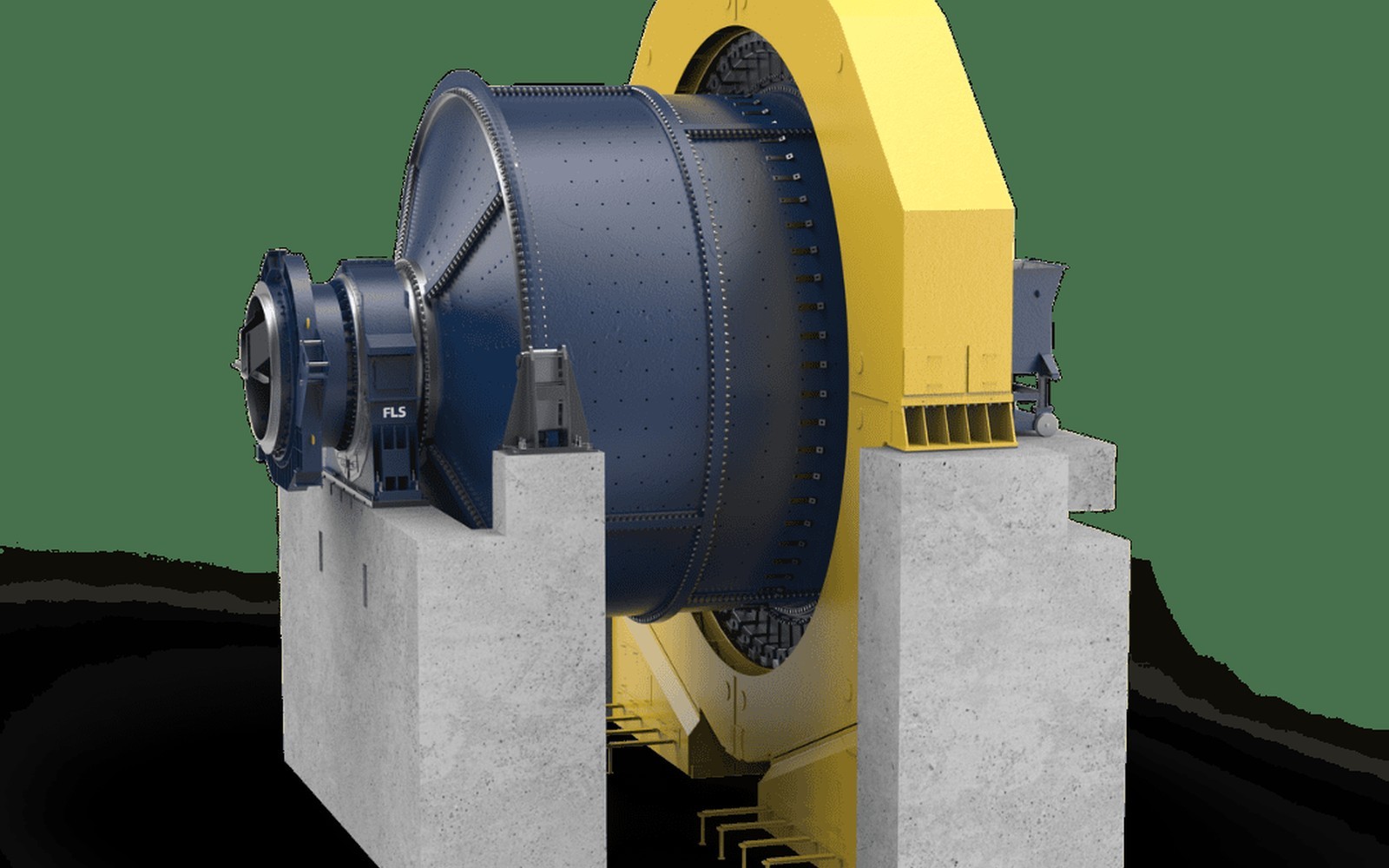
Shell diameter is the primary specification: SAG mills range from small pilot-scale units under two meters to the largest production mills exceeding twelve meters in diameter. The drive configuration, gearless (ring motor or GMD) versus conventional ring gear and pinion, significantly affects both the capital cost and the maintenance profile. Gearless drives at very large mills eliminate the ring gear and pinion entirely, reducing the component count and associated maintenance intervals but increasing the complexity and cost of the electrical system.
Lenders assess SAG mills on shell diameter and installed power as proxies for throughput capacity, the drive type and condition for used units, the liner system and liner change interval history, and the trunnion or slide shoe bearing condition. For very large mills with gearless drives, the condition of the motor stator and the rotor winding are also factors in any major used-unit assessment.Metso Outotecand FLSmidth are the primary manufacturers in this sector, and their mills carry the best market comparables for residual value analysis.
SAG Mills in the Mining Industry
SAG milling became the dominant primary grinding technology for hard-rock gold and copper processing in the 1980s and 1990s and remains so today. The ability to treat variable, competent ore feeds with less upstream crushing infrastructure made SAG-based circuits economically attractive for greenfield projects, and the installed base worldwide is now enormous. That installed base creates a real secondary market for used SAG mills when operations close, undergo expansion, or switch circuit configurations.
Gold miningandcopper miningoperations account for the largest share of SAG mill installations.Hard-rock mininggenerally is the domain of SAG-based grinding circuits, and operations producing lithium, nickel, or other strategic minerals from hard-rock deposits also use SAG mills in their processing plants. The expansion of lithium processing for battery supply chains has driven new demand for grinding circuit equipment, including SAG mill capacity, from operations in Nevada, Chile, and Australia.
The replacement and upgrade cycle for SAG mills at mature operations represents a significant portion of the transaction market. A mill that has been operating for 15 to 20 years will typically undergo a major rebuild program, and the cost of that rebuild, covering new liners, trunnion bearing replacement, and possibly a drive system overhaul, can justify a capital financing arrangement rather than consuming operational cash flow.
Existing SAG Mill Capital and How to Access It
Operations that own a SAG mill outright or carry minimal debt against one hold a significant capital asset. ASale-Leaseback Financingagainst an owned SAG mill at an operating plant can release very substantial capital for other operational needs, for expansion investment, for debt payoff, or for working capital. The mill continues operating under a lease arrangement; the cash comes in at closing. At the scale that SAG mills represent, this can be a material capital event for the operation.
Refinancing an existing SAG mill loan is also an option when market conditions have shifted or when the operation's credit profile has strengthened since the original transaction.Equipment refinancingcan reduce monthly obligations, restructure the term, or extract equity from a machine that has appreciated in value since it was financed. We evaluate each situation on the current payoff relative to asset value and the borrower's current credit standing.
For operations that need to fund a SAG mill rebuild program without liquidating cash from the operation, a capital loan against the existing mill (either as a refinance or as new secured lending) allows the rebuild to proceed while keeping operational liquidity intact. This is a structure we can describe in detail and help match to the right lender profile.
Discuss SAG Mill Financing
SAG mill transactions deserve a real conversation, not an online form submission. Reach out with the mill specifications, the transaction amount, and the operational context. We will come back with a structured approach and a realistic timeline for closing.