Finance surface drill rigs for open-pit mining, quarry, and aggregate operations. New and used rigs, B/C credit considered, application-only programs reaching $400k.
Drilling is the front of the production line. Nothing moves until the holes are drilled and the bench is fired, and that means a surface drill rig that is down for financing complications or equipment shortfalls is not a maintenance problem, it is a tonnage problem. Availability translates directly to blast rounds per week and blast rounds per week translates directly to ore delivery to the crusher.
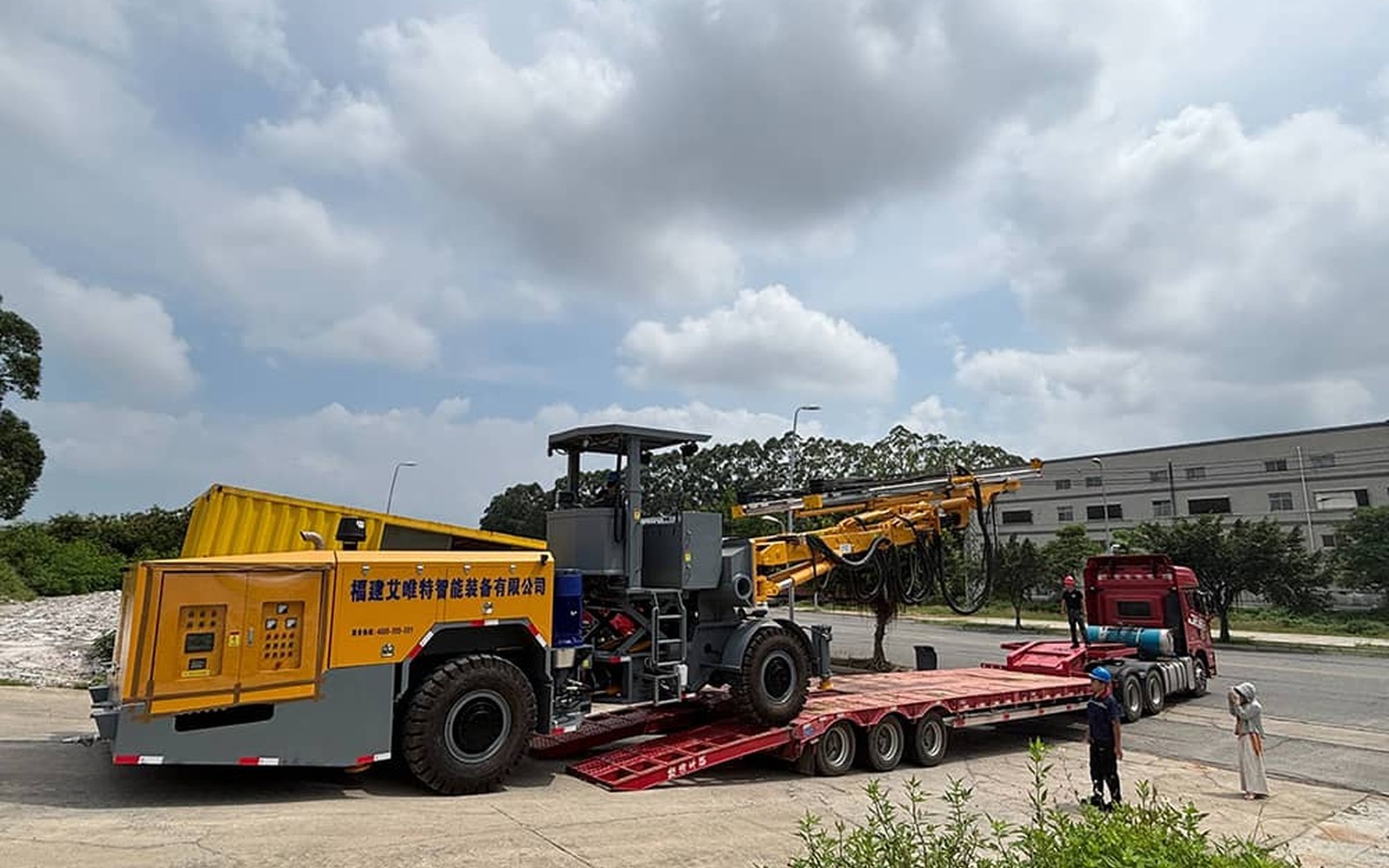
We finance surface drill rigs for open-pit mining, hard rock quarry, aggregate production, and mine construction drilling. The machines we see most often in this segment are crawler-mounted rotary and DTH rigs in the 100 to 500 horsepower range, built to handle production drilling in consolidated and unconsolidated formations. New machines from Epiroc, Sandvik, and Atlas Copco, as well as quality used rigs from these manufacturers and older iron from the U.S. market, are all financeable through our programs.
Our minimum transaction is $50,000. Most surface drill rig deals fall between $200,000 and $1.5 million depending on rig size, age, and configuration. Application-only approval is available up to approximately $400,000. For larger transactions, we add bank statements and financial documentation, but the process still moves faster than a conventional bank credit committee.
Surface Rig Classes and Specifications
Surface drill rigs for mining and quarry applications divide roughly into two categories based on the drilling method: top hammer rigs and down-the-hole (DTH) rigs. Top hammer rigs transmit percussive energy through the drill string from the surface and are effective in smaller hole diameters and shallower patterns. DTH rigs drive the hammer down the hole adjacent to the bit, transmitting impact energy directly at the face. DTH drilling is more efficient in harder rock and deeper holes and is the dominant method in hard rock mining bench drilling.
Machines like the Epiroc SmartROC D65 and the Sandvik DX800 operate in the mid-size production drilling class, handling 115 to 152 mm hole diameters at bench depths practical for most open-pit production patterns. Larger rigs built for blasthole drilling in major open pits overlap with the blasthole drill category. The boundary between surface drill rigs and dedicated blasthole rigs is the production hole diameter and depth: surface production rigs typically handle holes below 200 mm, while dedicated blastholes rigs take larger diameters. We finance both, and buyers moving from one category to the other as their operation scales can bring the conversation back to us.
For quarry and aggregate applications, drilling patterns and bench heights differ from metal mining. Quarry production typically uses tighter patterns and shallower benches, and rigs are often specified for fast repositioning between holes rather than for the deepest possible drill depth. A quarry adding a second production unit or replacing an older crawler rig can finance through the same process as a metal mine, with the same credit considerations applied.
New vs. Used Surface Drill Rigs
New surface drill rigs from Epiroc or Sandvik come with full warranty coverage, manufacturer telematics, and the latest automation features including automated drill cycle, collaring control, and remote monitoring capability. New rig lead times from the manufacturer can run several months, and buyers who need capacity now frequently turn to the used market.
Used surface drill rigs with documented service histories are widely available through mining equipment dealers, auction houses, and direct operator-to-operator sales. A machine with under 8,000 to 10,000 hours of verified history and no major structural or rotary head issues represents good value, particularly when it comes with available OEM parts support. We finance used rigs through all these channels, including private party purchases where you have found a machine through your own network. Ourused equipment financinghandles the transaction without requiring a dealer to be involved.
Rebuilt rigs, particularly those that have gone through a rotary head overhaul, new drill string, and refreshed crawler undercarriage, can represent excellent value if the rebuild documentation is solid. We evaluate those on a case-by-case basis with attention to what was done, who did it, and what warranty the rebuilder provides on the work.
Operations That Finance Drill Rigs Through Us
Contract drillers working for multiple mine operators represent a significant portion of our surface drill rig financing. A contract drilling company that wins a new production drilling contract at a hard rock mine needs to deploy the right rig in a specific timeframe, often before the first invoice from that contract has been generated. We know that business model and can structure deals that close before the rig needs to be mobilized, not after.
Quarry and aggregate producers, particularly those in growth phases or replacing aging rigs that have passed rebuild economics, are consistent buyers. An operation financing a new Epiroc or Sandvik production rig at aaggregate quarryorstone quarryis the core of this market, and terms are structured to fit the operation's production revenue cycle.
Mine operators in hard rock precious metals who run their own drill fleet, particularly in Nevada gold districts aroundElkoand Battle Mountain or Arizona copper operations nearGlobe, frequently need to add or replace rigs as their drilling programs advance. We work regularly in those markets and understand the operational rhythm of mine development drilling programs.
Terms and Structure
Surface drill rig financing typically runs on 36 to 72 month terms. The right term depends on the machine's expected productive life on the operation's drilling program, the depreciation schedule the buyer wants to run, and the monthly payment that fits within contract revenue or mine operating budget. Longer terms lower monthly exposure; shorter terms minimize total cost of financing.
For contract drillers who rotate equipment across multiple contracts, a lease structure may better fit the business model than a loan, particularly if the contract duration is shorter than the rig's useful life. Anequipment leasegives the flexibility to return the machine at the end of a contract cycle rather than carrying depreciation risk on equipment that has completed its assigned work.
Tax considerations also enter the conversation. Surface drill rigs often qualify for accelerated depreciation under Section 179 or bonus depreciation provisions. OurSection 179 financingprogram aligns the financing structure with how your accountant plans to treat the asset.