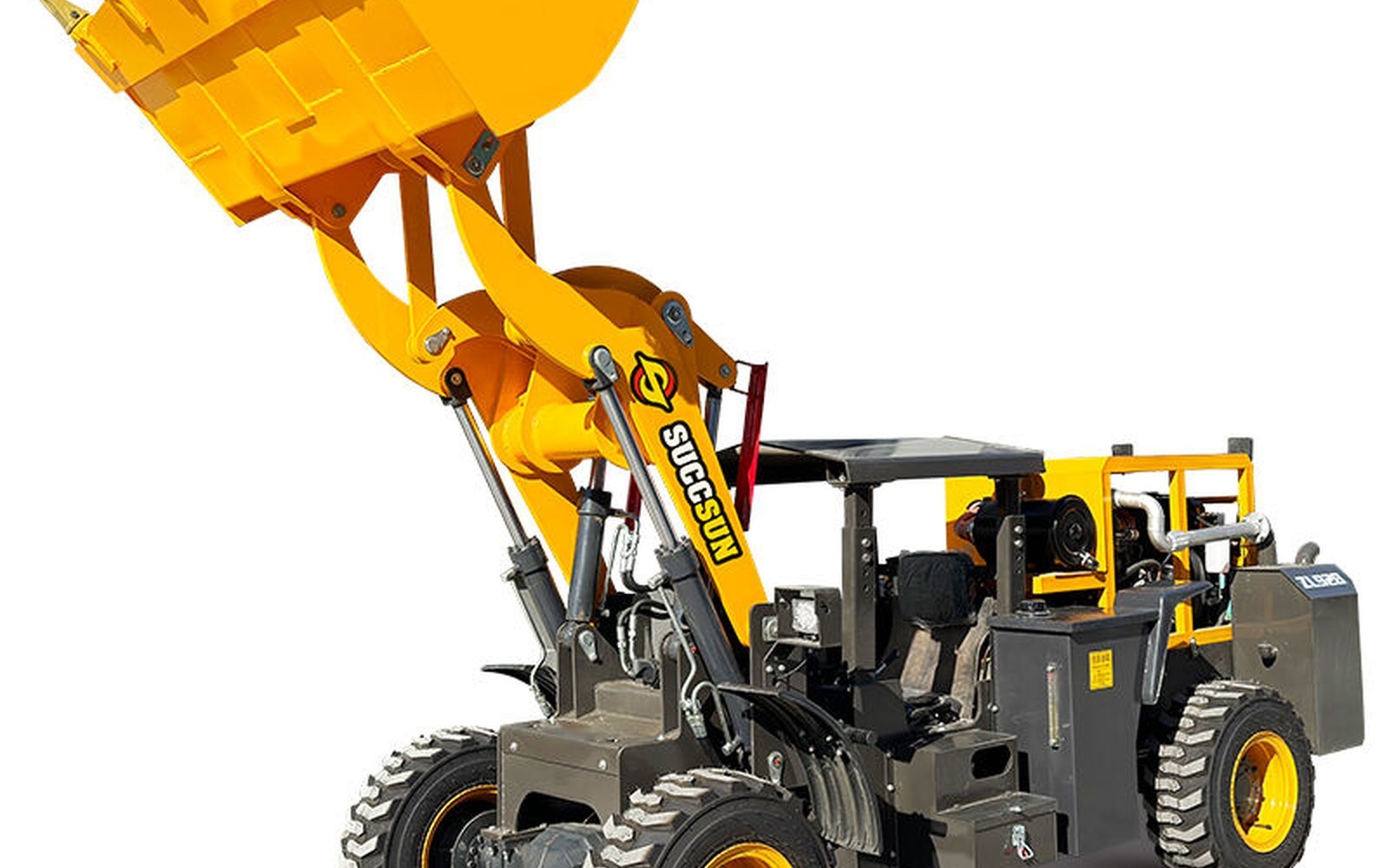
Finance LHD loaders (load-haul-dump) for underground hard rock mining. Sandvik, Epiroc, Caterpillar. B/C credit reviewed. Funding in about 1-2 weeks. Get quotes.
In underground hard rock mining, the load-haul-dump cycle is everything. The LHD, the machine that drives into the muck pile, fills its bucket, and hauls the ore to the orepass or truck, determines how fast the ore moves from stope to surface. Availability and cycle time from the LHD set the production rhythm for every development and production heading in the mine. That is why underground operators are serious about their LHD fleet, and why financing that fleet requires a lender who can speak to what these machines actually do underground.
LHDs are built to work in tight, low-profile drift environments that surface equipment could never navigate. The classic dimensions are constrained to fit within typical underground drift dimensions, with heights often under 2 metres and widths dictated by the standard drift width at the specific mine. Bucket sizes on production LHDs used in large-scale underground operations typically run from 7 to 18 cubic metres. TheSandvik LH621iandEpiroc Scooptram ST18are examples of the large-end production LHDs used at major underground copper and nickel mines.
We finance LHDs from $50,000 up, for buyers acquiring new machines from OEM dealers, used units from mine dispersal or dealer remarketing, and for mine operators refinancing or pulling equity out of LHDs already working underground. The underground environment introduces specific considerations that we know how to handle in the financing structure.
What the Underground Environment Does to an LHD
Underground machines live in a harder environment than surface equipment in several specific ways, and financing underwriting on LHDs has to account for this.
Diesel fumes in confined spaces mean underground equipment often runs on low-emission diesel engines or electric powertrains. Battery-electric LHDs are an increasingly common choice at newer mines, driven by ventilation cost savings and emission regulations. Battery-electric units have different financing considerations, particularly around battery pack condition, warranty status, and replacement cost at end-of-pack life. We handle both diesel and battery-electric LHDs.
Rock-burst and collision damage in underground drifts means that underground equipment regularly takes impact damage that surface equipment rarely sees. Rockfall, sidewall brushing, and rib contact all contribute to cosmetic and sometimes structural damage over time. We look for inspection documentation that addresses structural frame condition, not just running systems.
Maintenance access underground is harder than on surface. Oil changes, filter service, and minor repairs that would take an hour on a surface machine may take longer underground simply because of access and logistics. Operators who run disciplined maintenance programs despite these constraints protect machine life in ways that show up clearly in the maintenance records. Those records matter to us.
The primary brands in the underground LHD market, particularlySandvikandEpiroc, have established parts support, training programs, and service networks that make long-term maintenance of these machines more predictable. That OEM support is a factor in how we view long-term asset maintainability.
LHD Financing: Process and Timeline
The documentation path for an LHD transaction depends on the size. For used machines running about $200k to $400k, application-only approval is often available without requiring full financial statements. Above that threshold, three months of bank statements and basic business financials support the credit review.
New LHDs from OEM dealers, which for large production machines can run $1.5 million to $3 million, move through a full credit review. We typically want the OEM proposal or dealer invoice, three months of bank statements, and basic company financials. On complex transactions involving multiple units or a new underground mine development, more detailed financial information helps frame the credit picture.
Used LHDs from mine dispersal or dealer remarketing are common transactions. We work from auction purchase confirmations, dealer invoices, or private-party bills of sale. An inspection report from a qualified underground equipment inspector is standard practice on used LHDs above $300,000 in value. Inspection in an underground environment is logistically more involved than surface equipment inspection, but qualified inspectors with underground access credentials handle this routinely.
For operations in the advanced underground development stage that are pre-production or early in their ramp-up,startup mining business financingstructures exist that account for the pre-production nature of the cash flow. These deals require more documentation around the mine development plan and projected production, but they are fundable when the asset quality and operational plan support the deal.
Underground LHD Markets in North America
The largest concentrations of underground LHDs in North America are at major underground copper, nickel, gold, and zinc-lead mines. The Coeur d'Alene Mining District in Idaho, historically one of the world's richest silver and lead-zinc regions, continues to operate underground mines in the area aroundKellogg, IdahoandCoeur d'Alene, Idahothat rely on LHD fleets for ore extraction.
Nevada underground gold mines, including several major operations in Elko County at depth, run LHD fleets as part of their underground loading systems. These are high-value per tonne operations where machine availability directly determines gold production ounces.
Zinc-lead mining in Missouri and other Interior operations runs LHDs in underground development and production headings. Operators in these regions are familiar with the machines and understand their maintenance requirements in detail, which typically translates into well-maintained equipment that holds financing value through its working life.
Canadian-owned operations with U.S. mines, which are common in the western states, often have sophisticated equipment procurement and financing programs. When those programs need U.S. market expertise and speed, we provide both.