Finance vibrating screens for mineral classification, scalping, or aggregate sizing. $50k minimum, application-only to ~$400k. New and used equipment considered.
Tonnage going into the wrong size fraction is waste, and in mineral processing that waste shows up in downstream recovery, product specifications, and the efficiency of every unit operation that follows the screen. Vibrating screens handle classification at every stage of the process circuit, from scalping oversized ROM material ahead of primary crushers to final sizing of saleable aggregate products, and the condition of those screens directly determines whether the plant holds its cut-points or wanders. We finance vibrating screens across the full range of applications: mining process circuits, aggregate producers, coal preparation, potash and industrial minerals, and construction material production.
Screen financing starts at $50,000 and our practical sweet spot is $100,000 to $150,000 and above, covering everything from single-deck inclined screens used in secondary circuits to heavy-duty multi-deck banana-profile screens deployed in high-tonnage ore classification. Application-only approvals up to approximately $400,000 can return a decision in 48 to 72 hours. Larger transactions move through a full underwrite with three months of bank statements and basic operational documentation, with funding typically landing in one to two weeks.
Screen Types and Why the Application Drives the Financing
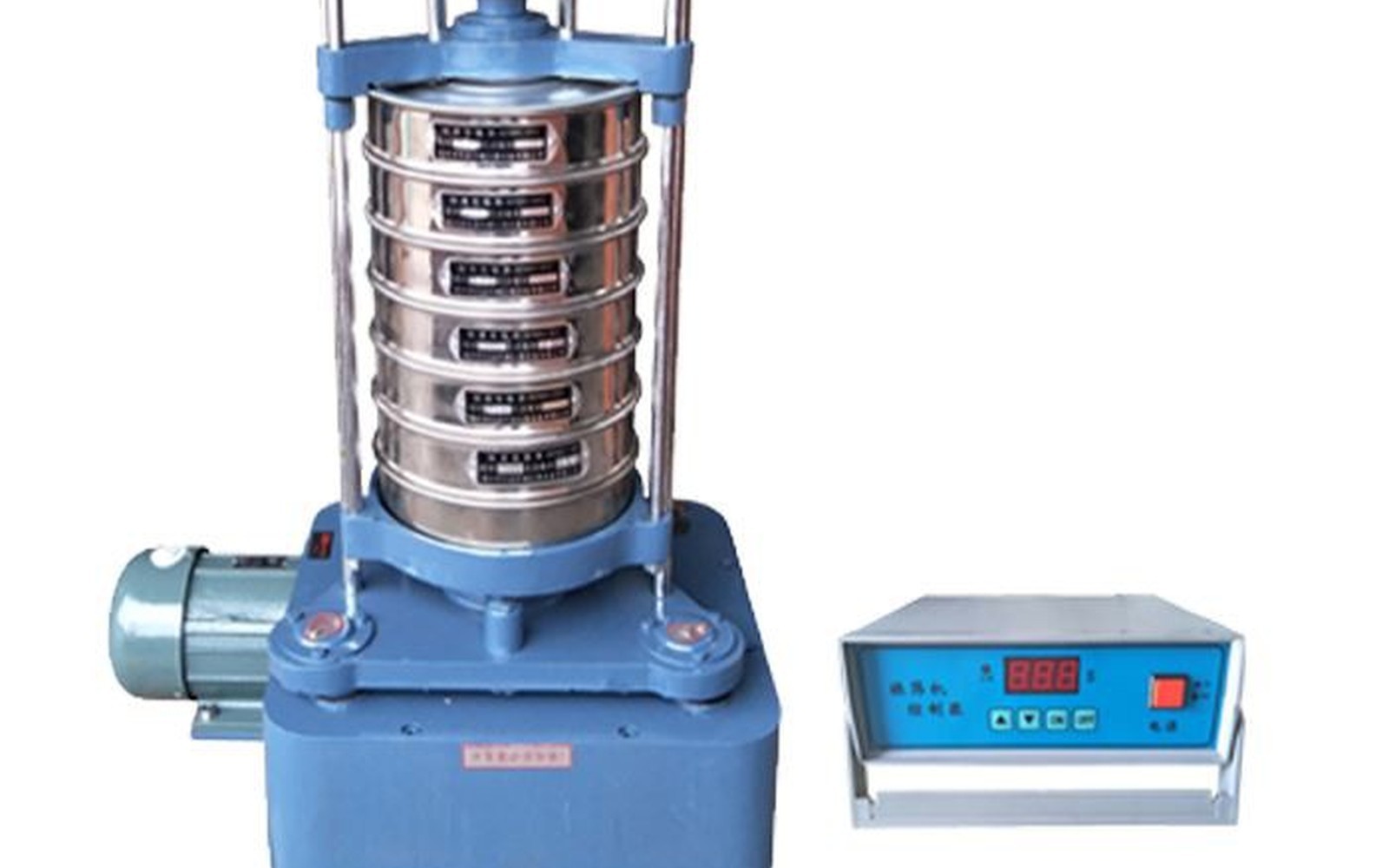
Vibrating screens are not a single product category. They span circular-motion inclined screens, linear-motion horizontal screens, banana screens (multi-slope screens with a variable incline to manage deck speed and throughput), dewatering screens, and high-frequency screens used for fine material classification. Each type handles a different cut-point range and feed rate, and the correct match between screen type and duty is the foundation of good plant design.
For financing purposes, screen type, deck count, size, and the operating conditions, specifically whether the machine is handling wet or dry material, abrasive ore, or relatively clean aggregate, all affect residual value. A well-maintained three-deck 8-foot by 20-foot linear motion screen from a reputable manufacturer in aggregate service holds good value and finances well. The same screen that has spent its service life handling high-abrasion ore slurry requires more scrutiny because screen cloth wear, side-plate condition, and exciter overhaul history all bear on what the asset is worth today.
Manufacturers commonly financed includeMetso,Sandvik, Haver and Boecker, McLanahan, and Derrick Corporation screens for fine classification. Screen deck area, the vibration mechanism (gear or eccentric exciter versus unbalanced motor), and the structural frame condition are the key inspection points for used units. Providing a recent inspection report and screen cloth measurement history significantly strengthens a used screen file.
What Qualifies for Financing
New screens directly from a manufacturer or authorized dealer are the most straightforward transaction. Used screens sourced from process plant refurbishments, equipment dealers, and private sellers qualify when condition documentation is available. Rebuilt screens, whether through an OEM rebuild program or a competent third-party refurbisher, can be financed if the rebuild scope is documented and the work is recent relative to the anticipated service life.
We also finance screen ancillary systems where they are included in the same transaction: spray systems, under-screen hoppers, surge bin structures, and conveyor transfer points that move product away from the screen deck. These components rarely finance on their own because of low independent value, but as part of a screen installation package they can be included in the overall deal amount.
For aggregate operations financing a complete circuit upgrade that includes ascreening plantalong with crushing equipment, we can structure a single transaction covering the full scope. Bundling related equipment into one deal often simplifies the documentation and reduces the number of separate payment obligations the operator has to manage.
Terms and Structures for Screen Financing
Vibrating screens typically finance on 36 to 60 month terms, with longer terms available for newer large-format machines from major manufacturers. The relationship between the screen's expected service life and the loan term matters to lenders; a screen that is already 10 years into a 15-year life will see shorter terms and possibly a higher down payment requirement to keep the loan balance in line with the asset's declining value.
For operations that benefit from keeping equipment off the balance sheet, a fair-market-value lease structure allows the operator to make monthly payments and return or purchase the screen at the end of the term. For operations that want to capture depreciation benefits and own the asset outright at the end, a dollar-buyout structure or a standard secured loan works better.Section 179 treatmentcan apply to screen purchases that qualify; your tax advisor should guide that analysis, and we can describe the structure in enough detail to support that conversation.
Refinancing an existing screen loan, particularly if market rates have improved or the operation has strengthened its credit profile since the original transaction, is also something we handle throughequipment refinancing. A lower payment or a restructured term may make sense depending on where the payoff sits relative to current asset value.
Teams evaluating this usually look atUsed Mining Equipment Financing, andApplication-Only Financing.