Finance a Komatsu WA1200 wheel loader with terms built for high-tonnage pit operations. New and used, purchase and sale-leaseback, decisions in days.
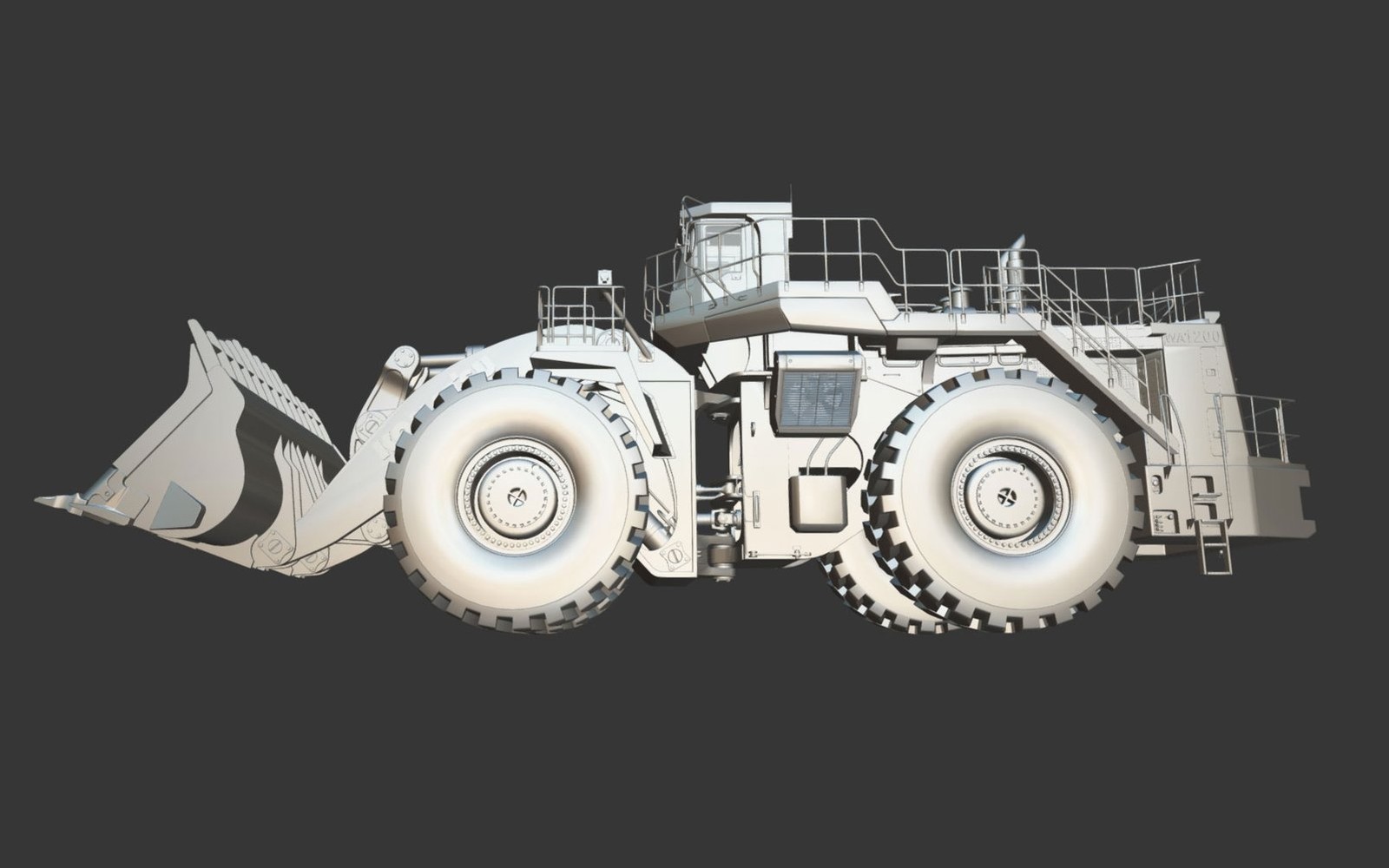
Tonnage out of a pit starts with a loader that can fill trucks fast enough to keep the haul fleet moving. The Komatsu WA1200 is one of the largest rubber-tired wheel loaders in production, with a rated bucket capacity of 13.75 cubic yards and an operating weight approaching 230,000 pounds. At that scale, machine availability is not a side concern, it is the production plan. Financing a WA1200 means putting the right capital structure behind an asset that runs multiple shifts and carries significant rebuild costs over its service life. We work with miners, contractors, and surface operators who need financing terms that respect the duty cycle, not just the purchase price. Whether you are acquiring a new unit, buying a field-ready used machine, or pulling equity out of iron you already own, we can structure a transaction that fits the way your operation actually runs.
Our minimum is $50,000, but WA1200 transactions typically land well above that threshold. Application-only approval is available up to approximately $400,000, and larger deals move through a straightforward financial-review process. Funding generally closes in about one to two weeks from completed application. We consider B and C credit profiles alongside strong credits, and we structure deals around new and used iron alike. TheKomatsu financing programwe work through covers the full Komatsu heavy line, so if you run mixed Komatsu iron in the same pit, we can often consolidate multiple units into a single transaction.
What the WA1200 Does in the Pit
The WA1200 is purpose-built for loading 240-ton-class haul trucks in high-production surface mines. With a rated payload of roughly 22 to 24 metric tons per pass, the machine can load a large rigid-frame truck in four to five passes under favorable conditions. That pass count matters because it determines truck cycle efficiency across an entire shift. Operators running the WA1200 in copper, iron ore, and coal applications report that loader availability directly sets the ceiling on what the haul fleet can produce.
The machine runs a Komatsu SSDA18V170 diesel producing around 1,800 horsepower. Hydraulic systems are variable-displacement, and the machine carries Komatsu's KOMTRAX Plus telematics for real-time monitoring of fuel consumption, hydraulic temperatures, and component health. Major component replacement intervals, including engine overhauls and hydraulic pump rebuilds, are predictable based on hours and can be planned into a maintenance budget. That predictability is part of what makes long-term financing for a WA1200 rational: the machine's cost structure is knowable, and lenders who understand mining iron can price accordingly.
Used WA1200 units with several thousand hours can still carry strong residual values if major components are in good condition or recently rebuilt. We finance used machines with documented service histories, and our underwriting looks at component hours, not just chassis hours, when evaluating the collateral.
New Unit Acquisition Versus Field-Ready Used Iron
A new WA1200 carries a list price that places it firmly in the multi-million-dollar range. For an operation that needs guaranteed factory warranty coverage and the latest emissions and control-system updates, a new machine financed over five to seven years is a defensible choice. The monthly obligation is predictable and the warranty backstop reduces the risk of unplanned capital calls in the early years of the term.
A used WA1200 with 8,000 to 12,000 hours that has had a recent engine and drivetrain overhaul can represent a materially different cost per hour over a financing term. The purchase price is lower, and if component health is documented, the exposure to major unplanned cost during the finance period is manageable. We work with operators who buy used specifically to reduce the capital they have tied up in an asset that will be disposed of in three to five years as the mine plan evolves. Ourused mining equipment financingprogram treats rebuilt iron with documented component hours as fully financeable collateral.
One factor worth considering: fleet uniformity. If your maintenance team already services WA1200 units, adding another of the same model keeps parts inventory and technician skills concentrated. That operational logic often makes a used WA1200 more attractive than a differently sized competitor loader, even when the price differential is modest.
Pulling Equity From Iron You Already Own
Owners of WA1200 units that are free-and-clear or near payoff have the option to execute a sale-leaseback or a cash-out refinance against the asset. These structures convert machine equity into working capital without disposing of the unit. The machine stays in service; the cash goes to the balance sheet, whether that means funding a haul truck addition, covering a rebuild bill, or handling operating capital gaps between pay applications.
Asale-leaseback arrangementinvolves selling the machine to a lender at a negotiated value and immediately leasing it back under a structured term. The operator retains full use of the equipment. At lease end, there are typically buyout options at a pre-agreed price. This structure can also produce useful tax treatment depending on the operator's situation. We recommend consulting a tax advisor on the specifics, but the basic mechanics are well-established in heavy equipment finance.
For operators who want to retain title but need liquidity, a cash-out refinance against the WA1200 is another path. We evaluate the machine's current market value, remaining liens if any, and the operator's financial profile to size a refinance that generates meaningful net proceeds while keeping the monthly obligation manageable against the machine's production contribution.
Who Typically Finances a WA1200
Surface mine operators running large open-pit gold, copper, or iron ore operations are the primary buyers of WA1200 units. The machine's output capacity only makes economic sense at scales where the haul fleet consists of trucks in the 240-ton payload class or larger. Contract mining firms that service multiple clients at different pit sites also acquire these machines, sometimes financing through a corporate umbrella that spans several operating entities.
Coal operators in the Powder River Basin and in surface operations in Appalachia have historically been WA1200 customers, though the coal application skews toward the smaller end of what the machine is capable of. Phosphate and potash miners in Florida and Saskatchewan also run large wheel loaders in this class. If you are in any of these industries, we have seen the asset class before and we understand what the machine contributes to the production budget.
Operators with credit blemishes, whether from a difficult cycle in commodity prices or from challenges at an earlier operation, can still qualify. We consider the current financial picture, the asset quality, and the strength of the contracts or revenue backing the operation. Thebad credit equipment financingpath is real; the terms may reflect the risk profile, but approval is possible when the underlying business case is sound. Reach out and let us review what you have.