Finance conveyor systems for mines, quarries, and processing plants. Loans and leases from $50k. Application-only to ~$400k. New and used systems considered.
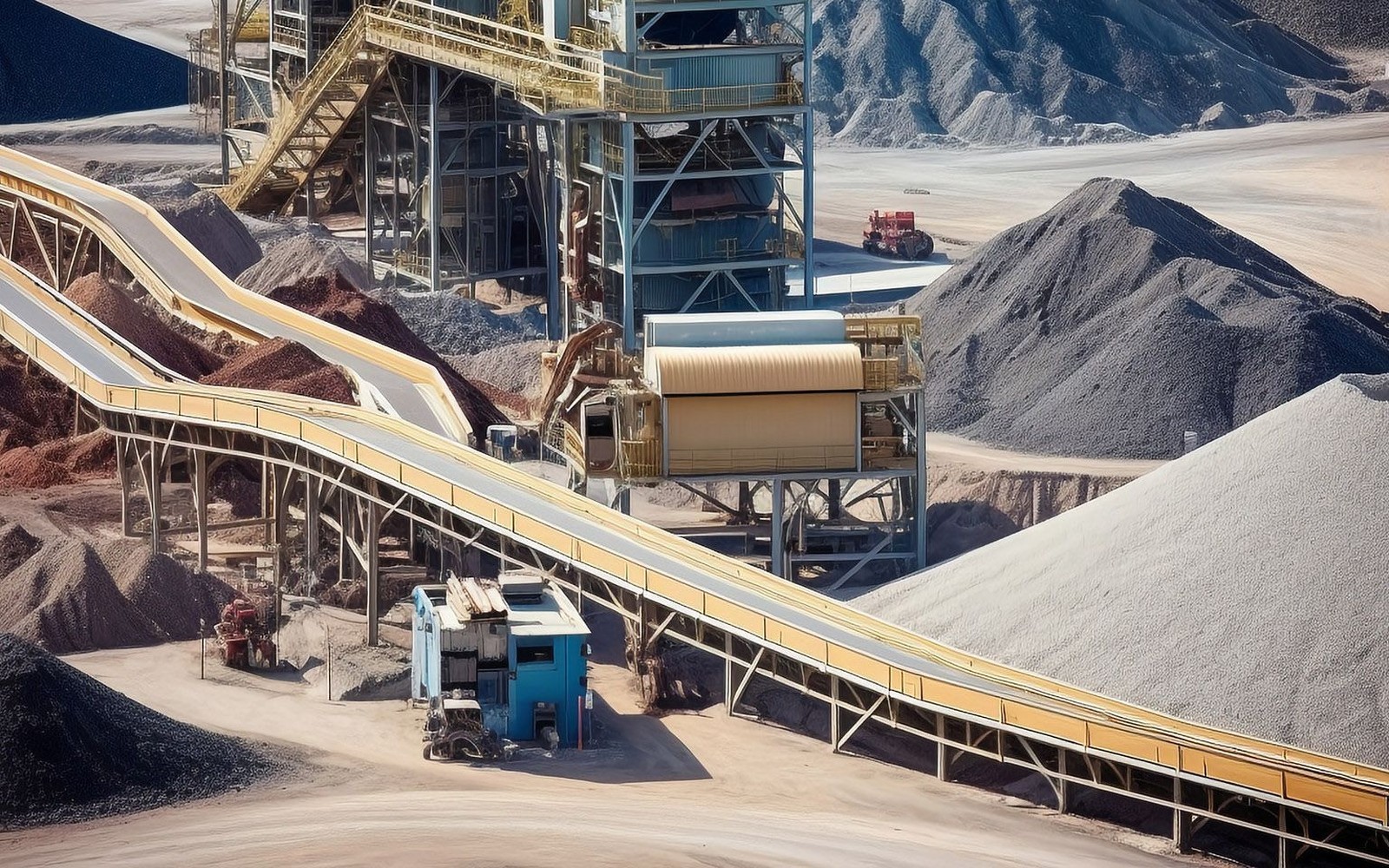
Moving tonnage between process units without a working conveyor system means trucks, loaders, or lost production. Belt conveyor systems are the circulatory system of any large mining or aggregate operation, and their availability determines whether the throughput budget holds or leaks. We finance conveyor systems across the full spectrum: in-plant transfer conveyors connecting crushers and screens, long-distance overland conveyors linking pit to plant or plant to stockpile, radial stackers, and portable conveyor train configurations for smaller aggregate and contract operations.
Conveyor system financing spans a wide range of transaction sizes. A portable radial stacker at a small aggregate operation might finance at $80,000. A multi-drive overland conveyor serving a copper mine will run into several million dollars. We handle both ends of that range. Our minimum is $50,000, and application-only decisions are available up to approximately $400,000 with 48 to 72 hour turnaround in most cases. Larger system transactions close in about one to two weeks through a full underwrite with three months of bank statements and operational documentation.
Conveyor Types and Their Financing Characteristics
Transfer conveyors are the workhorses: short to medium-length truss-mounted belts that carry material between specific process points. They are abundant, relatively standard in construction, and hold residual value as long as the structural steel, idlers, pulleys, and drive components are in serviceable condition. Individual transfer conveyors are often financed as part of a larger plant package rather than as standalone transactions, but they can also be financed separately when a single critical transfer point needs to be replaced or upgraded.
Radial stackers are self-contained units that pivot around a central point to build a uniform stockpile. They are portable enough to be moved between sites and are one of the most commonly financed stand-alone conveyor assets. Track-mounted radial stackers have broader market appeal and typically finance more favorably than fixed-wheel models.
Long-distance overland conveyors and in-pit crushing and conveying (IPCC) belt systems represent the large end of the market. These systems can span kilometers, involve multiple drive stations, belt tensioning systems, and complex steel structures, and the cost of engineering and installation often exceeds the equipment cost alone. Lenders financing these assets typically treat the installed system as a capital improvement to the mine property, and the underwriting reflects the long-term production horizon of the operation.
Key manufacturers include Rexnord, Continental Conveyor, Superior Industries, Metso, and BEUMER Group for specialized applications. For used conveyor steel and components, the provenance of the material, whether from a plant refurbishment, an OEM rebuild, or a fabricator with traceable quality control, affects how the asset is valued.
Where Conveyor System Financing Fits in the Mining Cycle
Conveyor systems are a capital expenditure at every stage of a mine's life: during construction when the process plant is built, during production when belts, idlers, and drives wear and must be replaced, during expansion when throughput increases require additional transfer capacity, and during closure or remediation when conveyors must be decommissioned or repurposed.
Operations incoal mining, where belt conveying is the primary material handling system across the entire production chain from face to loadout, have historically been heavy users of conveyor financing. Copper andiron oreoperations with high throughput requirements and long haul distances increasingly favor conveyor over truck haulage precisely because the operating cost per ton is lower at scale, even if the capital cost upfront is higher. That capital cost is exactly what financing addresses.
Aggregate producers expanding capacity often find that adding a conveyor link between a new crusher stage and an existing screening plant is the most cost-effective way to increase throughput without a full plant rebuild. A single conveyor addition running about $150k to $300k can often add 20 to 30 percent throughput capacity to an existing circuit at far less cost than replacing primary equipment.
Process and Documentation
A conveyor system transaction begins with the quote or scope of supply from the manufacturer, dealer, or contractor. For new equipment, we review the purchase order or quote, the borrower's credit profile, and the operational context. For systems that include engineering and installation as part of the total project cost, we can sometimes include those soft costs in the financing if they are part of the same contract with the same vendor; standalone engineering fees from a separate firm are generally not financeable.
Used conveyor systems and components acquired through plant decommissions, equipment dealers, or private parties follow the standard used-equipment review: serial numbers, component inventory, inspection reports, and any available service history. Conveyor steel in good structural condition with serviceable pulleys, drives, and idler frames is a bankable asset even when the belt itself needs replacement, since the belt is a wear item that is expected to be replaced at intervals.
For operations that already own conveyor systems outright, aSale-Leaseback Financingcan be structured against the equipment value to release working capital. We can also refinance existing conveyor loans throughequipment refinancing, particularly when an operation has improved its credit position since the original transaction.
Credit Profile and Approval Factors
Conveyor system transactions follow the same credit review as other mining equipment financing. B and C credit profiles are considered. Newer operations need to demonstrate their production plan and show bank deposit history. Established operations with demonstrated revenue are well-positioned even for larger conveyor system loans.
For very large or complex systems, particularly overland conveyors or IPCC installations where the project cost runs into seven figures, the underwriting moves closer to project finance. The mine's ore reserve, the production plan, and the operating cash flow projections become part of the review alongside the standard equipment file. We have experience with this type of transaction and can guide operators through the documentation that large-system lenders require.
Operations that need capital quickly for emergency conveyor replacement, such as a failed head pulley or drive assembly that has stopped production, can sometimes accessworking capitalon a faster timeline than a traditional equipment loan. We can evaluate the situation and point to the right structure depending on the urgency and the amount needed.