Finance an overland conveyor for long-distance material transport at a mine or processing facility. $100k+ transactions, full underwrite, structured for large capital.
The decision to replace truck haulage with an overland conveyor is a capital allocation call made in tons per kilometer. When a mine is moving millions of tons per year over a haul distance of two to fifteen kilometers, the operating cost per ton on a belt conveyor is measurably lower than diesel-powered haulage, and the capital to build that conveyor pays back on a schedule that can be modeled with a high degree of confidence. The problem is the capital. An overland conveyor system serving a major mine site costs well into seven figures and often eight, and deploying that capital from operating cash flow competes directly with everything else the operation needs.
We finance overland conveyor systems as the capital-intensive, long-life assets they are. These are not short-term operating leases. They are structured as secured capital loans or long-term leases with terms matched to the mine's production plan and ore reserve. Our work in this space begins at $100,000 and scales to the transaction size the asset and the operation require. Full underwriting applies to these transactions, including business financials, a description of the production plan and ore reserve, and three months or more of bank statements.
What Overland Conveyor Systems Include
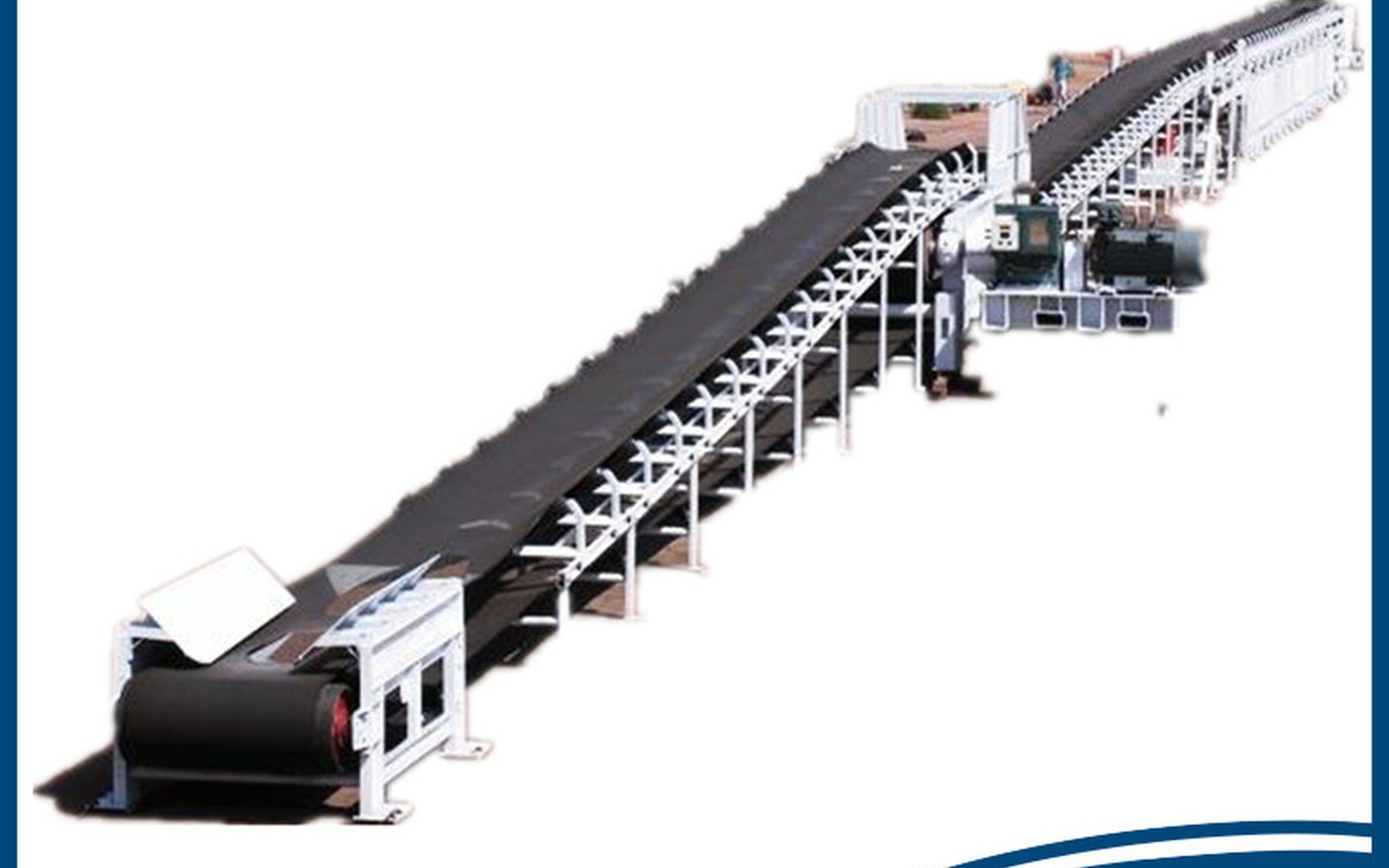
An overland conveyor is not a single piece of equipment. It is a system: the belt itself, head and tail pulleys, a drive station (or multiple drives for long runs), take-up and tensioning mechanisms, idler frames and rollers across the full length, the steel truss structure that supports the belt, transfer chutes, and the electrical and control systems that govern the drive and monitor the belt condition. On a system spanning several kilometers, idler frames alone can number in the thousands.
The financeable portion of an overland conveyor project includes the mechanical equipment, the structural steel directly associated with the conveyor, and the electrical and control package. Civil works, earthworks, and site preparation are generally not financeable as equipment collateral, though they may be addressed through separate project financing instruments. For projects where the same contractor supplies both equipment and installation, we can sometimes include a portion of the installation cost in the overall financing package.
Drive technology has advanced considerably. Modern overland conveyors use variable-frequency drives (VFDs) that allow soft-start operation, speed control, and regenerative braking on long downhill sections where the loaded belt gravity assists the drive. This regenerative capability reduces operating power costs and represents a real economic benefit beyond the original haul-truck replacement case. We consider the drive technology in our asset assessment because modern VFD-equipped systems carry better long-term value than older fixed-speed drive configurations.
Operations That Finance Overland Conveyors
The most common overland conveyor finance situations are established mines converting from truck haulage to conveying as the haul distance grows with mine depth or pit expansion, and greenfield operations where the process plant is sited some distance from the primary crushing station. Both cases present strong financing arguments because the conveyor replaces or avoids ongoing diesel fuel and truck operating costs that are highly visible on the P&L.
Operations producingcopper ore,coal, andiron oreat high throughput rates have historically driven demand for overland conveyor installation. Coal handling terminals and port facilities use overland conveyors to move material from stockpile to ship-loader, and these installations can be very long, covering distances between storage and loading infrastructure across an industrial port footprint.
In hard-rock mining, in-pit crushing and conveying (IPCC) systems that combine a mobile or semi-mobile crusher at the pit face with an overland conveyor to the surface represent a major capital investment that competes with the ongoing cost of truck fleets. The total project cost for an IPCC installation can exceed $50 million at a large pit, and the financing for that capital requires a different conversation than a standard equipment loan. We can address both the equipment component and the broader project financing structure for these situations.
Underwriting an Overland Conveyor Transaction
Large overland conveyor transactions are underwritten on a full financial file. The documentation package includes three months of bank statements, current financial statements, a description of the mine and its ore reserve supporting the production plan, the conveyor system specifications and purchase contract, and for newer or smaller operations, financial projections that demonstrate the debt service coverage the project can support.
The lender's analysis focuses on the mine's cash flow generation, the ore reserve relative to the loan term, and whether the conveyor system's operating cost savings create a self-funding case for the debt. A well-structured overland conveyor project with a documented payback period and strong reserve life can typically access longer loan terms, reflecting the asset's 20 to 30 year service life at an established operation.
We work with B and C credit profiles, but at the overland conveyor scale, the underwriting is necessarily more detailed than an application-only review. Operators should be prepared to provide thorough documentation. The reward for that effort is access to capital that allows the conveyor to move forward without liquidating cash reserves or diverting capital from other operational needs.Mining equipment loansat this scale are available, and we can identify the lender profile that best matches the transaction.
Existing Overland Conveyor Equity
Mining operations with overland conveyors that have been operational for several years and carry little or no existing debt against them represent a significant untapped capital source. ASale-Leaseback Financingagainst an owned overland conveyor system can generate substantial working capital or fund a separate capital project while the operation continues using the conveyor without interruption.
For operations with existing conveyor loans,equipment refinancingmay reduce the payment, extend the term to match the updated production plan, or restructure around a changed credit profile. If the mine's ore reserve has been updated or expanded since the original loan, that additional reserve life may support a refinancing on better terms. We evaluate these situations case by case.