Finance rotary drill rigs for open-pit production, water well, and industrial drilling. New and used rigs across all size classes. Funding in 1-2 weeks.
Rotary drilling puts hole in the ground through a combination of bit rotation, weight on bit, and flushing medium. The method has been the foundation of production drilling in open-pit mining, oil and gas, water well, and geotechnical applications for decades, and the equipment that executes it spans from compact truck-mounted rigs to massive crawler-mounted production units that weight several hundred thousand pounds.
We finance rotary drill rigs across the full application spectrum relevant to mining and mineral extraction: production blast drilling in open pits, water supply drilling for mine site dust suppression and process water needs, and geotechnical rigs used in mine site investigation and ground support programs. The machines vary dramatically in size and configuration but the financing structure follows consistent principles regardless of rig type.
Our minimum is $50,000. Most rotary drill rig transactions in the mining context fall between $150,000 and $3 million, with larger production rotary units for open-pit blasthole applications sitting at the high end. We fund in roughly one to two weeks from approval for transactions under $400,000, and work through a documentation-supported process for larger deals that still moves faster than conventional bank lending.
Rotary Rig Applications in Mining
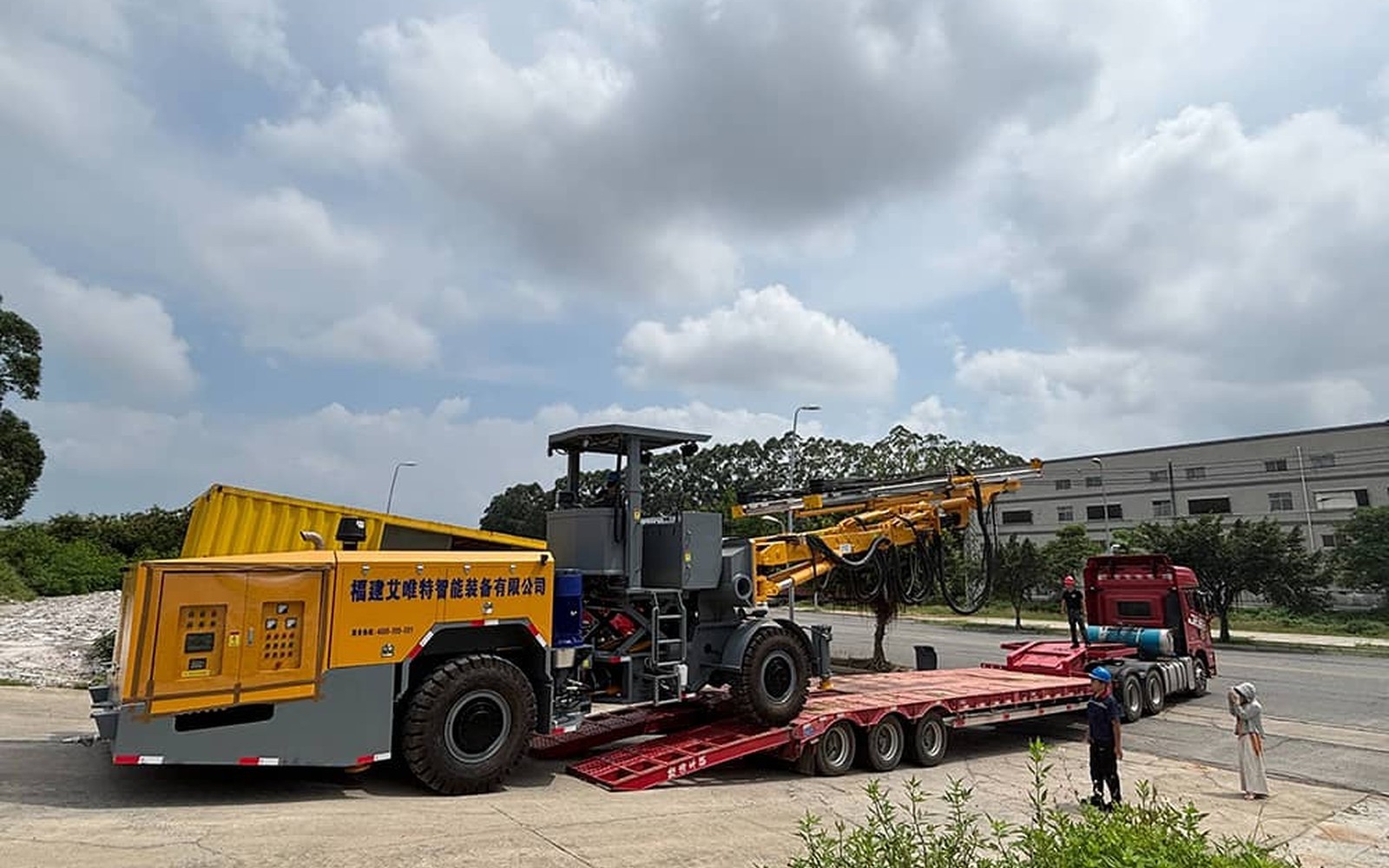
In the open-pit production context, rotary drilling means large tricone bit or PDC bit rotation with air or water flush, advancing large-diameter holes through rock at rates that support a bench blasting program. These machines, sometimes called rotary blasthole drills, overlap with the dedicatedblasthole drillcategory. The Caterpillar MD6250, for example, is a rotary blasthole drill that uses a rotary head driving a tricone bit with high-pressure air to flush cuttings. Penetration rates and bit life depend heavily on the rock's unconfined compressive strength and abrasivity.
Mine site water well drilling is a different application but uses similar rotary technology at smaller scale. A mine site in an arid region like Nevada or Arizona often depends on groundwater wells for process water supply, and the rigs that drill and develop those wells are purpose-built for deep, large-diameter water wells. These machines finance through the same programs as production drill rigs; the application is different but the asset characteristics are comparable.
Geotechnical rotary rigs used for test boring, ground improvement grouting, or anchor installation at mine sites are smaller and more specialized. They are often owned by specialty contractors who serve mine site geotechnical programs on a contract basis. These buyers tend to need financing that closes quickly because they win contracts and need equipment mobilized in short order.
Market for Used Rotary Rigs
Rotary drill rigs maintain relatively strong residual values compared to some other mining equipment categories because they are not mine-specific assets. A rotary production drill that completes work at one open pit can be mobilized to another mine without major reconfiguration, provided the hole diameter and depth requirements align. That mobility supports used rig values and makes the secondary market reasonably active.
Major auction companies like Ritchie Bros. move significant volumes of used rotary rigs, and private party transactions between operators and contractors are common. We finance purchases through all these channels. Ourprivate party purchase financingprogram handles deals where you have sourced the machine yourself and need capital to close without a dealer intermediary.
The used rotary rig market for mining applications in the U.S. is concentrated in regions whereopen-pit miningis active: Nevada, Arizona,Gillette, Wyoming, Colorado, and the Iron Range ofMinnesota. Buyers in these markets typically know the iron they want and do not need a dealer to find it. What they need is capital that closes at the pace their acquisition timeline requires.
How the Financing Process Works
For rotary drill rigs under $400,000, the process starts with a one-page credit application and basic business information. We do not need tax returns or financials at this threshold. Approval typically comes within 24 to 48 hours, and once the purchase agreement is in hand, we can fund in about two weeks. That timeline fits most equipment acquisitions without requiring you to delay the purchase or put up personal cash to hold the machine while financing arranges itself.
For larger rigs, we add three months of business bank statements and ask for any relevant contract documentation that backs the machine's deployment. If the rig is being purchased to perform a specific drilling contract, that contract is the most valuable document in the file because it quantifies the revenue the machine will generate. We use it to support the deal rather than just the credit file. Buyers financing through anapplication-only programat the sub-$400,000 threshold skip this step entirely.
B and C credit are considered on all transactions. A buyer with prior credit challenges who now has a stabilized business, active contracts, and a solid equipment plan can find a path forward. Ourbad credit equipment financingprogram is built for exactly that situation, and it does not require perfect credit history to start a conversation.
Refinancing Existing Rotary Drill Rigs
Operators who own rotary rigs outright or who are carrying existing loan balances may benefit from a refinance or sale-leaseback. A machine purchased for cash when commodity prices or contract revenue was strong represents tied-up capital that a sale-leaseback can put back to work. The machine stays in service; the proceeds fund consumables, bit programs, down-hole tooling purchases, or fleet expansion.
If you have an existing loan on a rotary rig at an interest rate that no longer reflects current market conditions, or on a term that is creating cash flow strain, ourcash-out refinanceprogram can restructure the obligation and, if there is equity in the machine, return working capital at the same time.
Buyers who are expanding from a single rig to a small fleet often use the equity in their first machine to partially fund the purchase of the second. That is a structure we handle regularly and it avoids requiring a full down payment on the additional unit from operating cash flow.