Finance a private-party purchase of haul trucks, excavators, drills, and other heavy mining iron. We fund used equipment bought directly from other operators, dealers, or auctions. $50k minimum, funding in 1-2 weeks.
Availability is production. A haul truck sitting idle in another operator's yard because they wound down a project represents a real tonnage opportunity for the buyer who can close fast. Private-party deals on heavy mining iron move on the seller's schedule, not the bank's. When a Caterpillar 793 or a Komatsu 930E is priced below market because the seller needs to liquidate quickly, the operator with financing already arranged captures that value. The one still filling out a commercial loan application watches the truck drive away.
We specialize in financing equipment purchased directly from other mining companies, contract operators, equipment dealers, and auction houses. This is not the same as buying off a manufacturer's lot, and the paperwork is different, but the outcome is the same: iron in your fleet, working a duty cycle, generating tons. Private-party purchase financing is how serious operators build depth in their fleet without paying new-iron prices. We have structured transactions on everything from single water trucks to multi-machine lots off an entire mine site decommissioning sale.
How Private-Party Equipment Financing Works
A private-party transaction has more moving pieces than a dealer sale, and the financing process reflects that. There is no manufacturer's invoice to hand to a bank. Instead, the deal is structured around a bill of sale, a clear title (or documentation of the payoff if the machine still carries a lien), and an equipment appraisal or auction settlement sheet. We work with these documents every day.
The general flow looks like this. You identify the machine and negotiate the purchase price with the seller. We run a credit review on your business and a valuation check on the equipment. If the seller has an existing lien, we coordinate a payoff to that lender as part of the funding. The funds go to the seller (or auction house) directly, title transfers to your entity, and we hold a first lien on the equipment as collateral. The whole cycle from application to funded is typically one to two weeks for transactions up to the application-only threshold, which runs around $400,000. Larger deals require three months of bank statements and a financial review, but those close in the same general window once documentation is complete.
One thing worth understanding: we evaluate the equipment's value independently. On used iron in the mining sector, condition and hours matter as much as the make and model. A machine with 18,000 hours and a recent rebuild can be a better credit than a lower-hour unit with deferred maintenance. We consider duty cycle, documented service history, and the realistic resale market for that specific equipment type in your region.
What Equipment Qualifies for Private-Party Financing
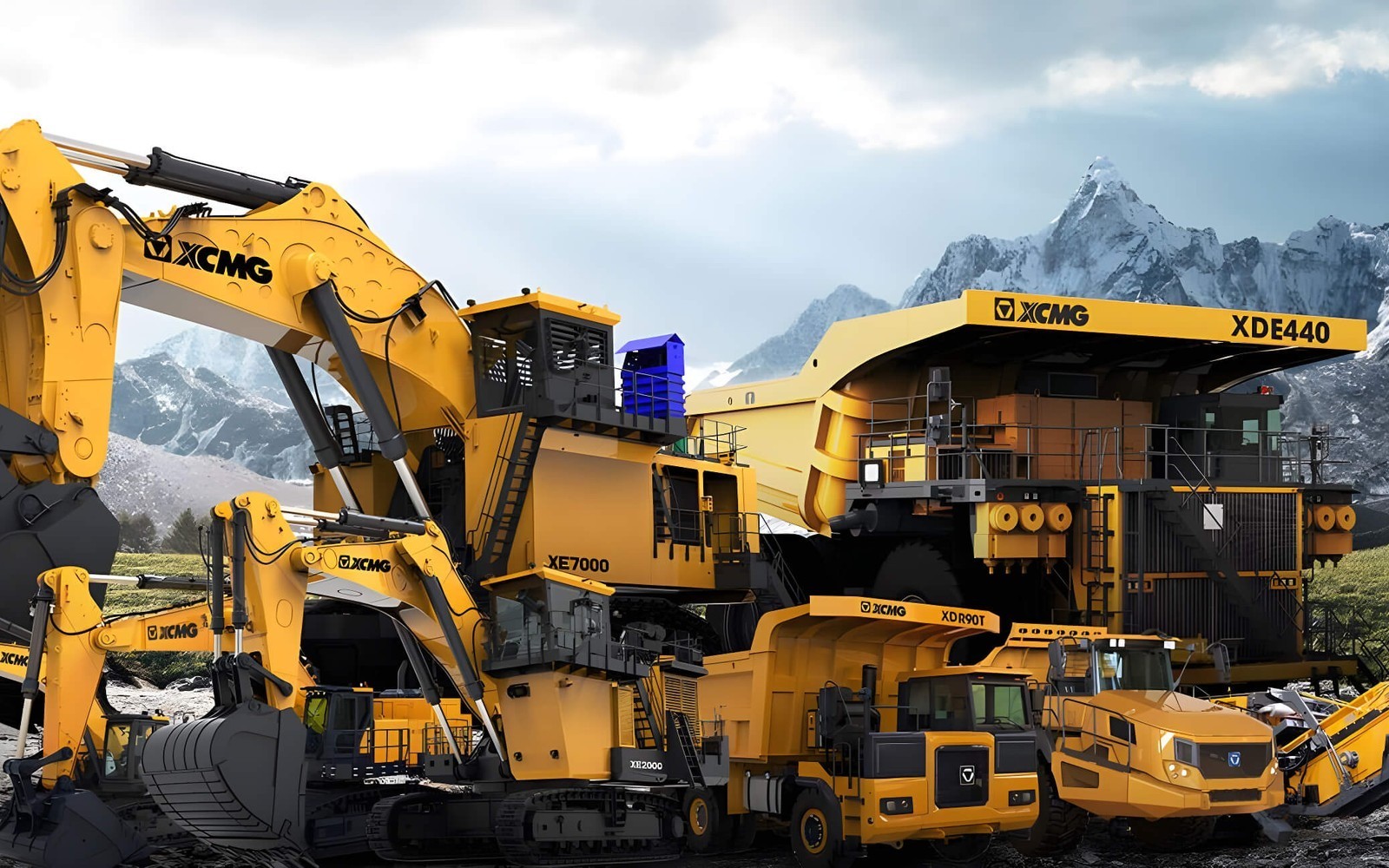
The equipment categories we finance through private-party channels cover the full spectrum of surface and underground mining operations. On the surface side, that includeshaul trucks and rigid-frame mining trucks, large hydraulic excavators and shovels, wheel loaders, motor graders, andmining dozers. Underground equipment, including LHD loaders, raise borers, and haulage trucks, also qualifies. Processing equipment, including jaw crushers, cone crushers, screening plants, and grinding mills, can be financed when purchased from another operation.
The minimum transaction size is $50,000. The practical sweet spot for private-party deals we see is running about $100k to $500k per machine. This lines up naturally with how the used mining equipment market is priced: a mid-life Cat 777 haul truck, a Komatsu PC4000 that has been through a mid-life rebuild, or a secondary crushing circuit from a decommissioned gold operation. For larger lot purchases exceeding $1 million, we structure multi-asset facilities that cover the entire acquisition in a single transaction.
Used equipment from auction houses including Ritchie Bros., IronPlanet, and Machinery Trader typically moves cleanly through our process. The auction settlement sheet serves as the purchase documentation, and the auction house's title transfer process is well understood by our team. Private sales directly between operators are equally workable, though they require a more deliberate approach to establishing clear title history.
Credit Profile and Documentation
Mining companies shopping private-party deals span a wide credit range. Some are established producers with strong financial statements and multiple machines already on their balance sheets. Others are contract miners expanding their fleet, or smaller operators acquiring their first piece of production-scale iron. We work across that whole spectrum. B and C credit profiles are considered on a case-by-case basis, particularly when the equipment has strong collateral value and the operator has documented mining revenue.
For transactions up to approximately $400,000, the documentation requirement is straightforward: a completed credit application, basic business information, and the purchase documents for the machine. No tax returns, no CPA-prepared financials. For larger transactions, three months of business bank statements give us the cash flow picture we need. Equipment with existing liens requires a payoff letter from the current lienholder; we coordinate that directly. If you are buying from an estate sale or a company that has gone through a restructuring, we have navigated title situations and can often work through documentation that a bank's commercial loan department would simply decline to touch.
Startups and recently formed mining entities have options here too.Startup mining business financingfollows a different path than established-operator deals, but the private-party transaction route is still accessible. Cross-collateral arrangements, larger down payments, or a co-signer with established mining revenue can bridge the gap for newer companies.
Related Financing Structures to Consider
Private-party purchase financing is one entry point. Depending on your situation, other structures may serve the same goal or complement a private-party acquisition.Used mining equipment financingis the broader category that covers private-party purchases, dealer-sourced used iron, and lease returns. The distinctions matter for documentation purposes but the underwriting fundamentals are the same: credit, collateral, and demonstrated capacity to service the obligation.
If you already own equipment with equity in it, acash-out equipment refinancecan generate the funds to make a private-party purchase with cash. Some operators prefer that approach because it eliminates the need to coordinate seller timing with lender approval. You refinance a machine you own outright, receive the capital, and then pay cash for the acquisition. This is particularly useful when the private-party seller needs to close in days rather than weeks.
Operators in coal country and in the Powder River Basin who are looking at haul trucks from winding-down operations nearby often find that the combination of private-party financing andSection 179 equipment financingplanning produces the best net acquisition cost. The deduction dynamics on used equipment purchased and placed in service before year-end can be significant on a seven-figure haul truck purchase. We do not provide tax advice, but we can structure transactions to support whatever position your CPA recommends.
For those operating incontract mining, private-party deals are often the fastest way to field equipment for a new contract without waiting for manufacturer lead times. A contract award gives you a revenue stream; private-party iron that is already in the region gets you operational faster.