Finance continuous miners, shuttle cars, longwall equipment, and processing machinery for trona and potash mining operations in Wyoming and beyond. $50k minimum.
The Green River Basin of southwest Wyoming holds the world's largest known trona deposit, producing the soda ash that feeds glass manufacturing, chemical processing, detergent production, and a dozen other industries. The potash mines of Saskatchewan, New Mexico, and Utah supply fertilizer markets that run on annual planting cycles. Both commodities are mined using underground room-and-pillar or longwall methods, both require continuous miners, shuttle cars, and specialized processing equipment, and both represent large-tonnage, long-cycle operations where equipment availability determines output.
We finance mining equipment for trona and potash producers and the contractors who serve them. Our minimum is $50,000. Most equipment transactions in this sector run $250,000 to $2 million per unit given the size and specialization of underground continuous mining equipment. Application-only approval is available up to approximately $400,000. Deals above that level require three months of business bank statements. Funding closes in one to two weeks from a complete application.
Trona miners nearGreen River, WYandRock Springs, WYrepresent the core domestic trona market. Potash operations are concentrated in New Mexico and Saskatchewan, with operations also in Utah. The equipment across these operations overlaps significantly, and we finance both commodity groups.
Equipment We Finance for Trona and Potash Operations
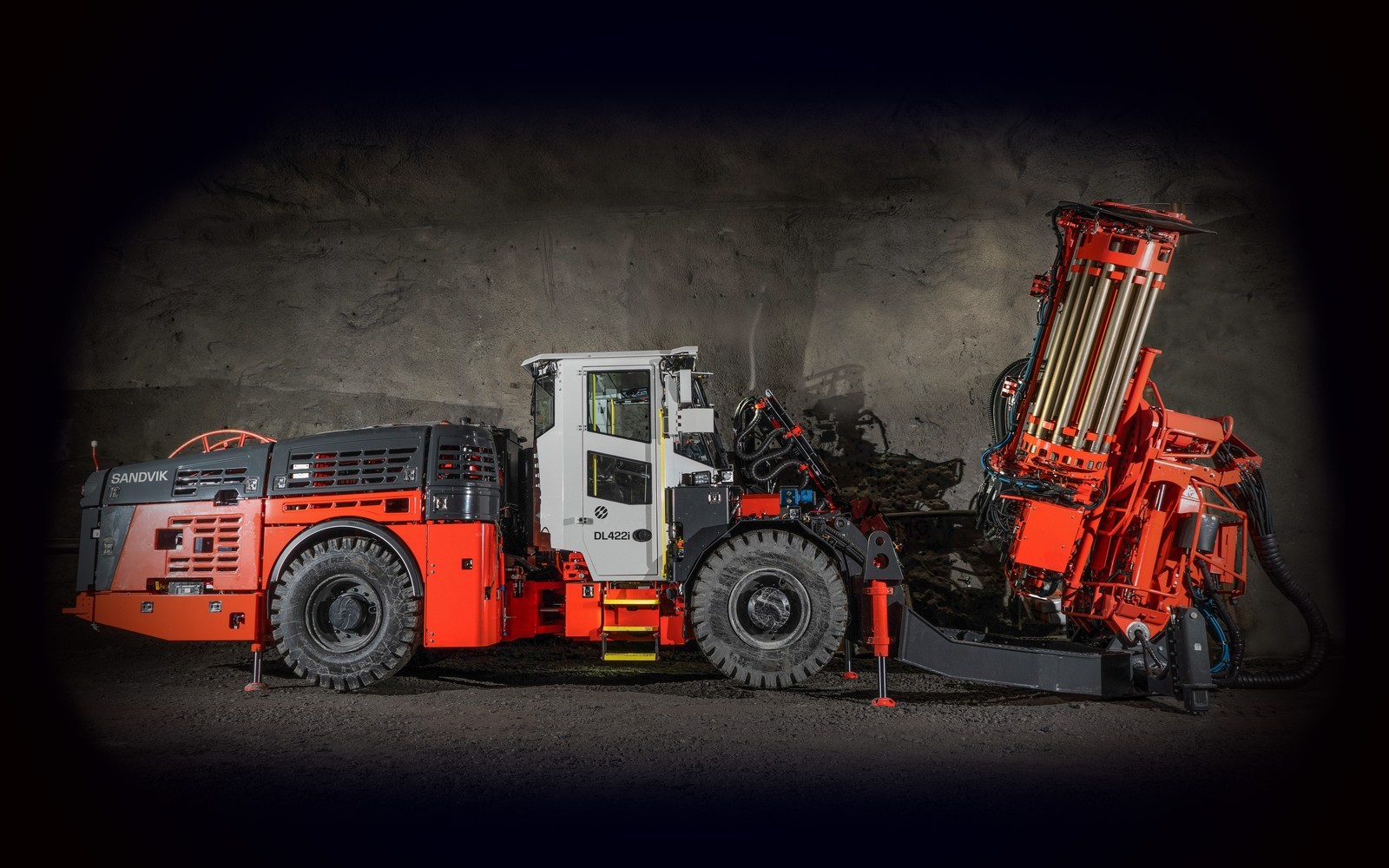
Continuous miners are the production engine in both trona and potash room-and-pillar operations. These are heavy, specialized machines that cut mineral-bearing seams using rotating cutting heads, load the cut material onto an apron conveyor, and discharge into shuttle cars or bridge conveyors behind them.Continuous minersfrom Joy Global (now Komatsu Mining) and Sandvik are the dominant machines in North American evaporite mines. They are expensive, they are difficult to source, and they are long-service assets that hold value in the right operational condition.
Shuttle cars, also called battery haulers or ram cars, move cut material from the continuous miner to the main haulage system or feeder breaker. A continuous miner typically works with two shuttle cars cycling to keep pace with the miner's output rate.Shuttle car financingis often handled as a pair or as part of a complete section equipment package that includes the miner, shuttle cars, and a roof bolter.
Roof bolters are the third component of a standard continuous miner section. In trona and potash mines, systematic roof bolting follows immediately behind the cutting cycle to maintain ground support. A section operating at full efficiency has the miner cutting, the shuttle cars cycling, and the roof bolter advancing with each cut. All three equipment types are eligible for financing, separately or as a bundled section package.
- Continuous miners for room-and-pillar production
- Shuttle cars and ram cars
- Roof bolters for systematic ground support
- Feeder breakers and belt conveyor systems
- Longwall systems for high-volume thin-seam operations
- Soda ash and potash processing plant equipment
- Underground utility vehicles and personnel carriers
- Surface haulage trucks for run-of-mine material
Trona and Potash Market Dynamics
Trona is the raw material for natural soda ash, which competes globally with synthetic soda ash produced via the Solvay process. Wyoming's natural soda ash has a cost advantage over synthetic production in most markets, which gives domestic trona mines a structural competitive position that supports long-term equipment investment. The major producers in the Green River Basin operate large-scale continuous miner sections around the clock, three shifts per day, and availability of the section equipment is the direct driver of tons produced.
Potash markets are tied to agricultural fertilizer demand, which follows planting cycles and is influenced by grain prices, acreage, and the relative economics of nutrient inputs. New Mexico's potash operations in the Carlsbad area produce muriate of potash (MOP) from the Salado Formation, primarily for domestic and export fertilizer markets. The equipment capital cycle in potash tends to follow longer replacement curves given the lower frequency of equipment failures in the relatively dry underground environment.
For both commodities, the equipment replacement decision is often driven by rebuild economics. A continuous miner that reaches a major rebuild interval can either be overhauled at significant cost or replaced with a newer machine. Financing the replacement machine while carrying the rebuild cost is a common scenario we have handled for operators in both the trona and potash sectors.
Getting Equipment Financing Done Efficiently
Trona and potash operations run continuous production cycles. An equipment failure or an unexpected replacement need does not pause output. Financing that moves quickly matters here as much as in any other mining context. Our standard timeline of one to two weeks from completed application to funded deal covers most situations. For genuine emergency replacements, reaching out with a phone call before submitting the formal application can help us prepare for the deal and move faster once documentation arrives.
The documentation that tends to slow deals down is incomplete financial information for larger transactions. Having three months of bank statements ready at the time of application is the single most effective way to speed the process. For transactions under approximately $400,000, the application alone is often sufficient for a credit decision, which eliminates the financial statement requirement entirely.
Operators in this sector also frequently useSection 179 equipment financingto accelerate depreciation on new equipment purchases for tax planning purposes. Understanding the interaction between the financing structure and the depreciation election is worth discussing with your tax advisor before committing to a loan versus lease structure.
Get Financing Quotes for Your Trona or Potash Equipment
Tell us the equipment type, your operation's location, and where you are in the buying process. We will put together financing options and respond within one business day.