Finance a Sandvik DD422i twin-boom drill jumbo for underground development. application-only programs reaching $400k, B/C credit considered, decisions in days.
Development rate in an underground mine is set by the drill jumbo, and the Sandvik DD422i is one of the most widely used twin-boom jumbos in hard-rock development worldwide. Running two COP 1838ME rock drills and an onboard navigation system, the machine drills the pattern for each blast round with documented precision that reduces overbreak and improves drift geometry. Faster development means earlier access to ore, which is why the jumbo's availability is treated as a direct constraint on revenue timeline in most underground mine plans.
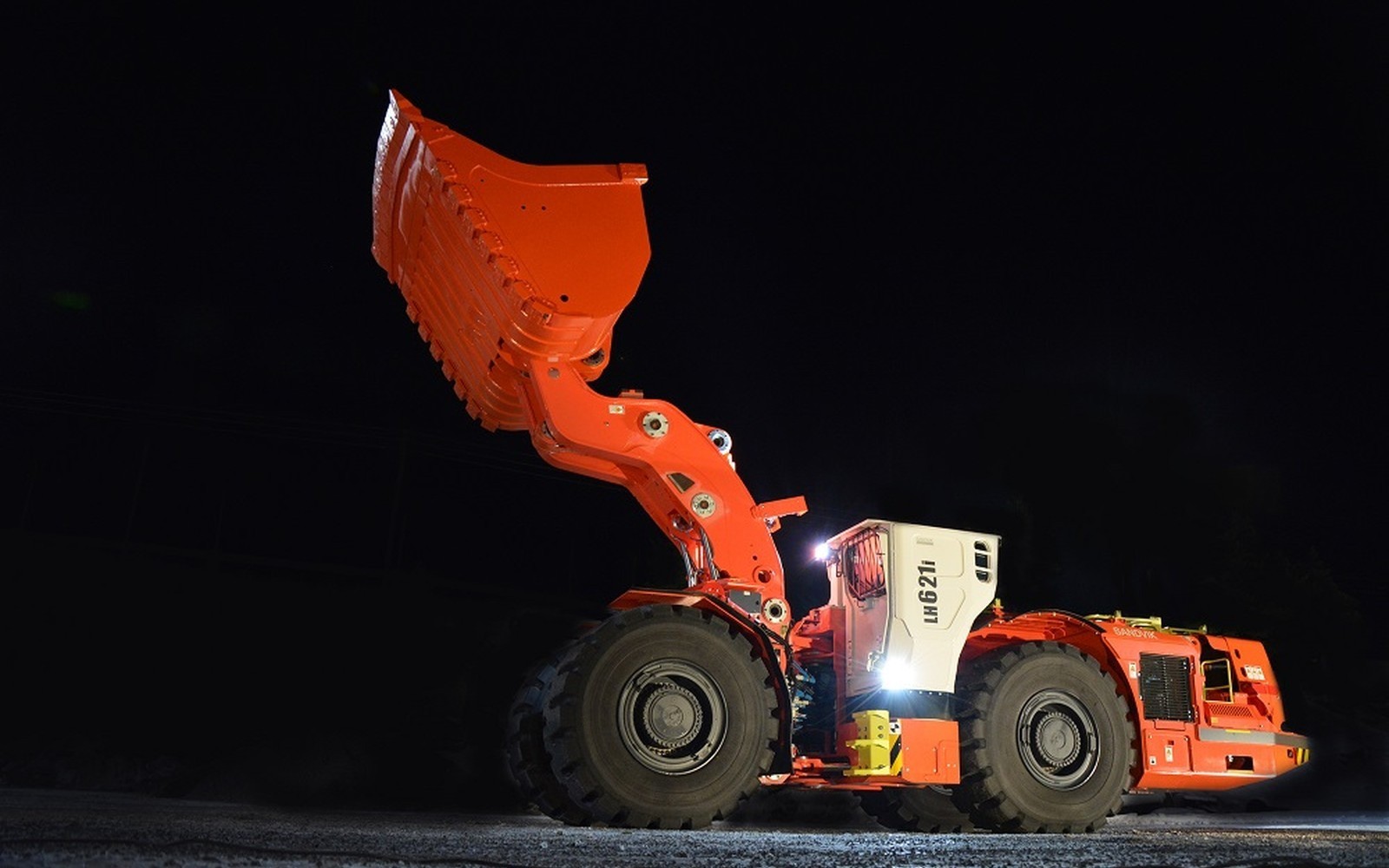
We finance Sandvik DD422i drill jumbos for underground mine operators, development contractors, and mining companies at all stages of a project. Our minimum is $50,000, and DD422i transactions are typically in the range well above that. Application-only approval is available up to approximately $400,000, and larger deals move through a straightforward financial review process. Funding closes in about one to two weeks from a completed application. We cover the fullSandvik financingline, including the DL432i longhole drill and the LH621i underground loader, so contractors running multiple Sandvik units can consolidate. For the broader equipment category, see ourunderground drill jumbo financingoverview.
What the DD422i Brings to Underground Development
The Sandvik DD422i uses a telescopic feed design that allows the booms to cover a wide range of face heights without repositioning the tramming chassis. The standard drilling coverage in the i-series configuration supports faces up to approximately 65 square meters, depending on boom configuration. Each boom carries a COP 1838ME hydraulic rock drill rated for percussive impact in competent hard rock, and the onboard iSURE drilling planning and navigation system allows the operator to program and execute blast patterns with measurable repeatability.
The i-designation in the DD422i indicates the machine is part of Sandvik's intelligent mining series, with CANbus architecture connecting the drilling controls, navigation, and diagnostics into a single integrated platform. This architecture supports remote diagnostics and data logging, giving maintenance teams visibility into drill bit life, feed pressure trends, and component temperatures without requiring manual inspection. For a lender evaluating this as collateral, the availability of operational data from the machine's own systems is useful for assessing duty cycle and maintenance compliance on used units.
Used DD422i units from completed development projects regularly appear on the secondary market. Mine development is finite, and contractors who drill through a project and move on often sell or refinance the equipment. We finance used DD422i machines with service histories, and we evaluate component hours on the rock drills, feed motor condition, and tramming drive system health as part of the collateral assessment.
Who Finances the DD422i
Underground development contractors are the primary buyers of twin-boom jumbos like the DD422i. These firms drill development headings for mine owners on a meters-per-month contract basis, and their equipment fleet is their only productive asset. Availability and drilling performance directly set the firm's revenue capacity, which makes equipment financing a central business decision, not an afterthought.
Junior mining companies advancing underground projects toward production, and established producers developing new levels or new ore bodies at existing mines, are also significant buyers. For a junior with limited balance sheet, financing the DD422i rather than buying it outright preserves working capital for the broader development program. Ourstartup mining business financingprogram covers emerging operators who do not yet have a long operational track record.
Underground gold, silver, copper, and lead-zinc operations are the typical environments for a DD422i-class machine. Nevada's underground gold mines, the lead-zinc deposits of the Coeur d'Alene district in Idaho, and the silver-producing operations in Colorado and Montana are representative domestic contexts. Operators based nearCoeur d'Alene, IDor serving mines in that district are familiar territory for our team. Ourunderground mining equipment financingpage covers the broader underground financing landscape.
Structuring DD422i Financing
A new DD422i in current-generation configuration carries a price that typically puts it comfortably within the range requiring financial documentation beyond an application alone, though that depends on the buyer's credit profile and the specific configuration. Terms typically run 36 to 60 months for underground development jumbos, reflecting the asset's expected duty cycle over a development contract and the realistic service life before major overhaul.
Contractors who work on meter-based development contracts often structure payments to align with the billing cycle from the mine owner. This is a legitimate financial engineering consideration, and we can discuss whether a payment schedule that matches project milestones is achievable within the parameters of the deal. Ourmining equipment loanstructures can accommodate a range of payment configurations.
Section 179 expensing is worth calculating on a DD422i acquisition if the contractor or operator has taxable income to offset in the purchase year. A machine in this price range can generate a substantial deduction under current Section 179 limits. We are not tax advisors, but we flag the option consistently so buyers can run the numbers with their accountant.