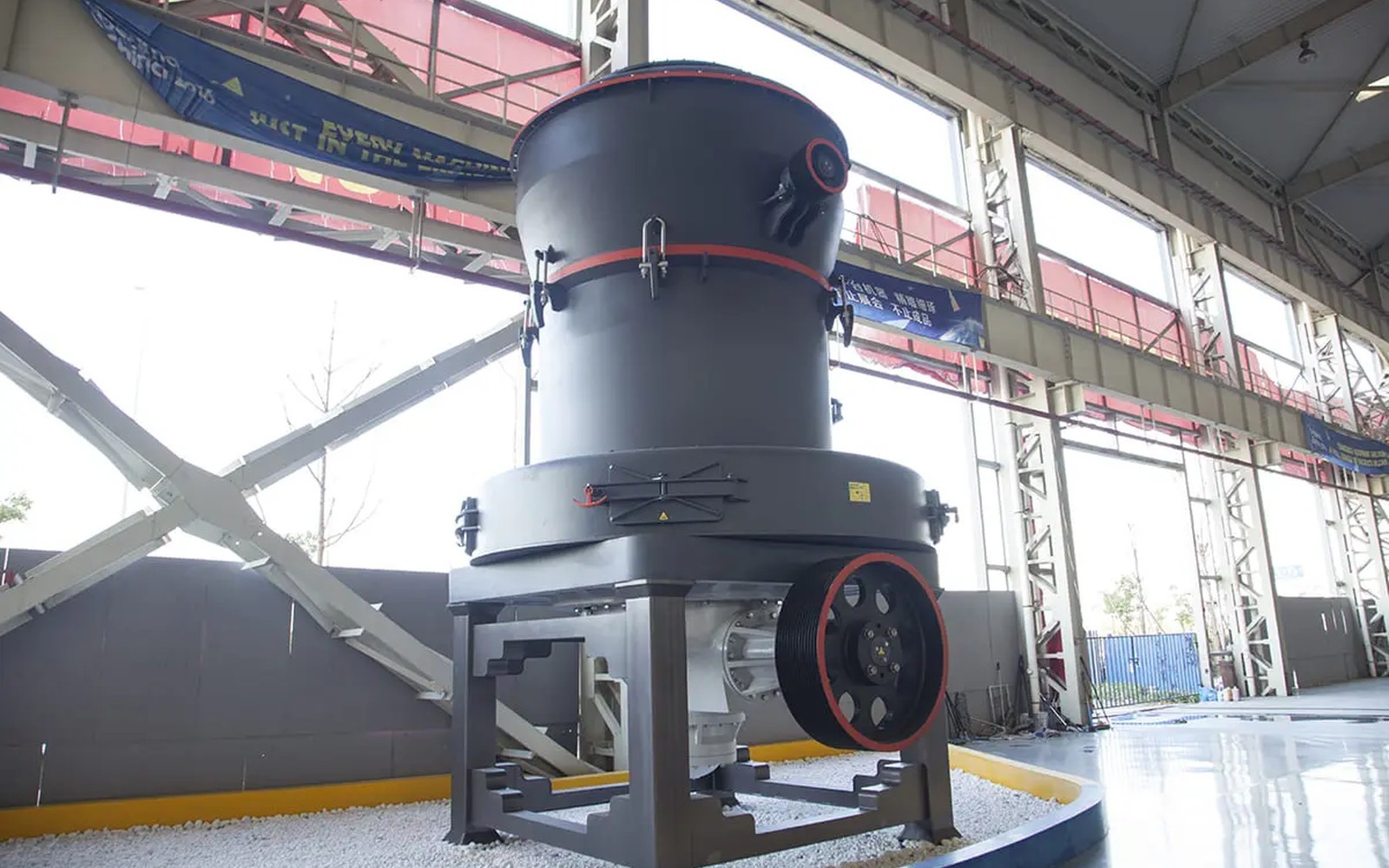
Finance a grinding mill for any mineral processing application. SAG mills, ball mills, rod mills, vertical mills, and regrind circuits. $50k minimum, full underwrite available.
Every ton of ore that enters a process plant has to reach the liberation size where the mineral of value separates from the gangue, and grinding is how that happens. The combination of crushing and grinding stages, the type of mills selected, and the energy drawn by those mills together account for a substantial fraction of a mining operation's total operating cost. The capital to place those mills in the circuit is one of the largest expenditures in any plant build or major expansion, and financing that capital thoughtfully allows an operation to deploy cash where it earns faster returns than it does sitting in a mill payment.
We finance grinding mills across the full taxonomy: SAG mills, ball mills, rod mills, autogenous mills, vertical stirred mills (including IsaMill and Vertimill configurations for fine and ultra-fine grinding), and pebble mills for specialty applications. Transaction sizes range from $50,000 for small regrind units up to multi-million dollar primary grinding installations. Application-only approvals up to approximately $400,000 return in 48 to 72 hours. Larger transactions go through a full underwrite with three months of bank statements, financial statements, and operational context documentation.
Grinding Mill Categories and Financing Characteristics
The mill type governs both the application and the financing approach.
- SAG and AG millsare large-diameter, high-power machines that handle primary grinding of hard ores. They are the highest-ticket items in any grinding circuit and require full underwriting at the scale most operations use them. More detail on SAG mill financing specifically is available on ourSAG mill financing page.
- Ball millsare the workhorse secondary grinding units in most base metal and gold processing circuits, grinding the SAG discharge to a size fine enough for flotation or leaching. They run in closed circuit with cyclones to control product size. See also ourball mill financing pagefor ball-mill-specific content.
- Rod millsuse steel rods as grinding media and are used less commonly today than in the past, but still appear in phosphate, potash, and some aggregate-specification applications where a narrower product size distribution is required than a ball mill provides.
- Vertical stirred mills(IsaMill, Vertimill, SMD) handle fine and ultra-fine grinding, taking ball mill discharge and reducing it further for improved mineral liberation in complex ores. These machines are increasingly important as miners process lower-grade, more complex deposits and face stricter concentrate grade requirements.
- Pebble millsuse the ore's own pebbles as grinding media in a true autogenous configuration and are a niche application in certain ore types where steel media contamination or cost is a concern.
Across all these types, the financing approach follows the same logic: asset condition, transaction size, and the operational cash flow available to service the debt are the governing factors.
Who Finances Grinding Mill Equipment
Established mining companies replacing aging primary or secondary mills at operating concentrators represent a significant share of the market. These are typically well-documented, straightforward transactions where the operation's revenue history provides a clear underwriting foundation. The mill being replaced is often still in service, which means the new unit comes online without a production gap and the cash flow supporting the new payment is current and verifiable.
Operations ingold,copper,lead and zinc, andlithiumprocessing are frequent users of grinding mill financing. The capital intensity of these circuits is well matched to equipment financing as a tool: the payment is covered by the production the mill enables, and the alternative, using operating cash, often competes with other capital needs that have faster payback profiles.
Greenfield and expansion projects also appear regularly in our grinding mill financing work. These require a more detailed documentation package, but the logic is the same: the mill is what enables the production, and the production is what pays for the mill. We help operators structure that argument clearly enough that lenders can underwrite it with confidence.
Structures and Terms for Grinding Mill Financing
Loan and lease terms for grinding mills run 36 to 84 months depending on the mill type, age, and the borrower's credit profile. Large primary SAG or ball mills at established operations with long ore reserves can often support terms at the longer end of that range because the asset's expected service life and the mine's production horizon comfortably exceed even a 7-year loan term. Smaller regrind units and older mills typically see shorter terms.
Payment structures can be fixed monthly, seasonal, or structured to reflect a ramp-up period for new plants. We can also work with deferred-start arrangements where the first payment is delayed by 60 to 90 days while a plant is being commissioned, acknowledging that a mill in the middle of a startup program is not yet generating the production cash flow it eventually will. We do not commit to specific rates before reviewing a file, but we work across a full spectrum of credit profiles including B and C situations.
For mills already owned without debt, acash-out refinanceorSale-Leaseback Financingcan release working capital tied up in the equipment without disrupting operations. These structures are particularly useful for operations that have paid off older mills but need capital for expansion or a new grinding circuit component.