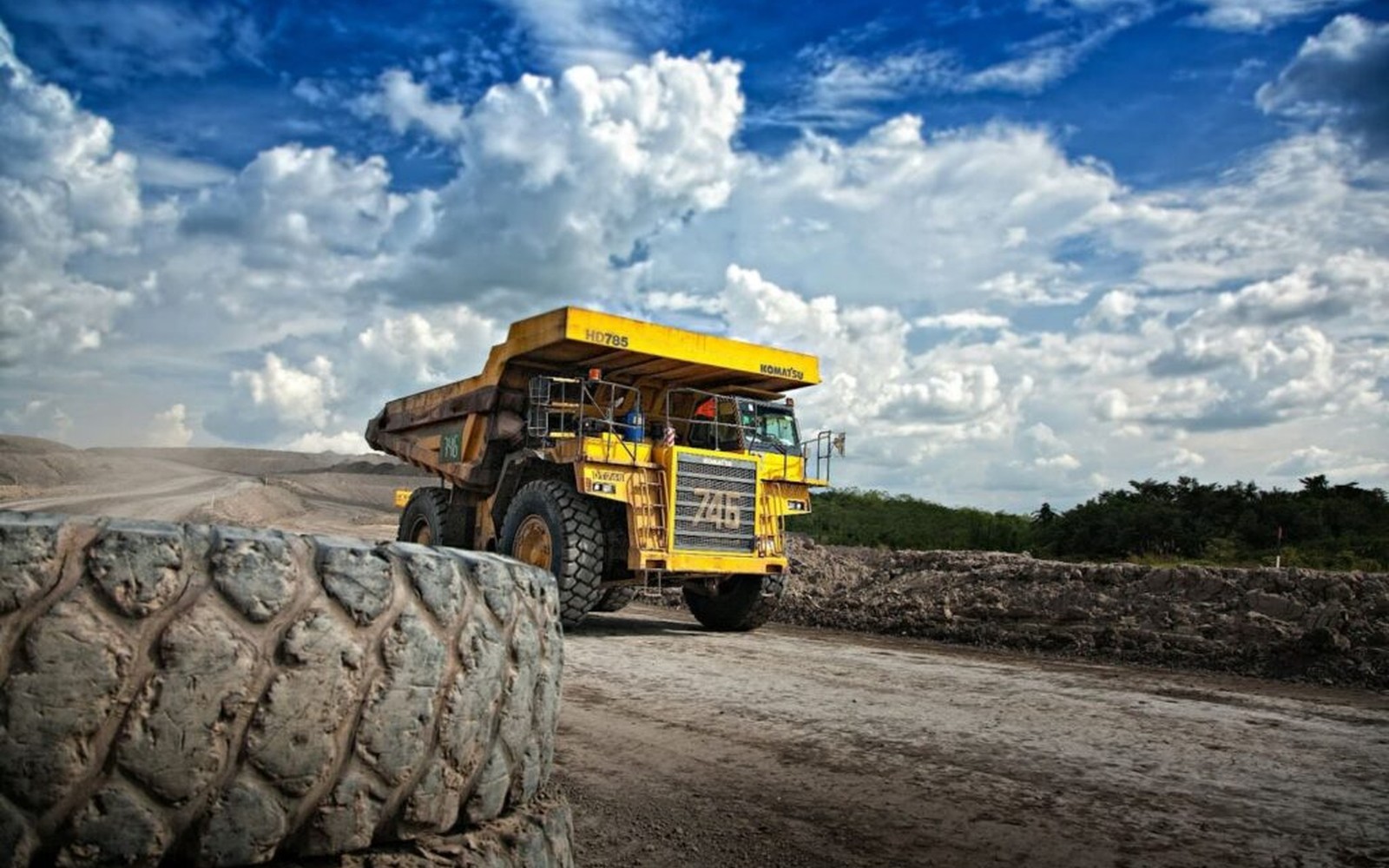
Finance haul trucks, dozers, drill rigs, and processing equipment for lithium mining operations. Hard rock spodumene and brine operations both served.
Lithium mining in the United States is in an expansion phase driven by battery manufacturing demand that has no near-term ceiling in sight. The Thacker Pass project in Humboldt County, Nevada is the largest known lithium deposit in North America. Piedmont Lithium in North Carolina is bringing a hard-rock spodumene operation toward production. American Lithium Energy and a growing list of junior developers are advancing projects in the Clayton Valley of Nevada, in the Great Basin, and in other domestic brine and hard-rock settings. Equipment capital requirements for these operations are real, immediate, and not always served by conventional lenders who have not yet built comfort with the asset class.
We finance lithium mining equipment including haul trucks, dozers, drill rigs, and processing equipment for both hard-rock spodumene and lithium brine operations. The equipment categories are familiar; it is the end-use commodity that is newer to the market. Minimum transaction $50,000. Application-only approval available up to roughly $400,000. New and used equipment eligible.
Hard Rock vs. Brine: Two Different Equipment Sets
Lithium production in the US comes from two fundamentally different geologies, and each requires different equipment.
Hard-rock spodumene-- Operations like Piedmont's proposed North Carolina mine and Kings Mountain restart project follow the classic hard-rock open-pit or underground playbook. Drilling and blasting, loading and haulage with excavators and haul trucks, primary crushing, and then a processing circuit that converts spodumene concentrate to battery-grade lithium hydroxide or carbonate.Hydraulic mining excavatorsin the 100- to 400-ton class handle loading.Blasthole drillshandle production drilling.Jaw crushersand flotation circuits follow. This is mining equipment that lenders understand deeply, regardless of the specific commodity coming out of it.
Lithium brine-- Brine operations in Nevada's Clayton Valley and elsewhere pump lithium-bearing brines from underground aquifers into evaporation ponds. The equipment is different: pumping systems, evaporation pond construction equipment (dozers, compactors, scrapers), and processing facilities that concentrate and purify the lithium carbonate.Mining dozersand motor graders build and maintain the evaporation pond berms.Water trucksand pump systems manage brine flow. These are financeable assets, though the processing infrastructure at a brine operation is more site-specific than mobile mining equipment.
The Domestic Lithium Development Landscape
Several domestic lithium projects are in active development or early production phases as of mid-2026. Lithium Americas' Thacker Pass operation in Humboldt County, Nevada is the most advanced large-scale project, targeting eventual production of tens of thousands of tons of lithium carbonate equivalent annually. Nevada is also home to Albemarle's Silver Peak operation near Tonopah, which is the only currently producing lithium mine in the United States and has operated since 1966.
Operators and contractors working these projects, or smaller-scale exploration programs in Nevada, Wyoming, and other lithium-prospective states, need equipment capital now, not once they have years of production history. Forstartup mining financingsituations, we look at the asset quality, the permitted status of the project, and the operator's team and funding context. A development-stage company that has raised equity, has a permitted site, and is buying equipment to start pre-production work is a materially different risk than a pure speculative startup.
The political and economic tailwinds for domestic lithium production are strong given battery supply chain concerns. Equipment lenders who understand the development-stage mining sector have a genuine role to play in getting these projects capitalized.
What Equipment and Structures Qualify
For lithium mining operations, eligible equipment includes:
- Open-pit loading and haulage fleet: excavators, rigid-frame and articulated haul trucks, front-end loaders
- Drilling equipment for production and exploration:rotary drill rigs, exploration rigs
- Crushing and processing plant components
- Earthmoving equipment for pond construction: bulldozers, scrapers, compactors
- Support equipment: water trucks, graders, service trucks
Financing structures available include standard equipment loans, operating leases, finance leases, sale-leaseback on owned equipment, andapplication-only financingfor transactions under roughly $400,000. For development-stage companies with complex capital structures, we discuss each transaction individually to find the structure that fits the project's equity and debt picture.
New equipment from dealers and used equipment from the secondary market both qualify. For a startup lithium operation trying to minimize initial capital outlay, the secondary market often provides a path to adequate equipment at materially lower cost than new -- a late-model articulated hauler or dozer at 60% of new replacement cost extends the project's capital runway meaningfully.