Finance ore processing equipment for concentrators, leach circuits, flotation, thickeners, and full process plants. Mining-specialist lenders, $50k minimum, 1-2 week funding.
The recovery rate in the process plant is the number that turns a mineral deposit into a business. Flotation cells, leach tanks, thickeners, filtration systems, and the full suite of equipment between the crushing circuit and the final product all have to perform at specification, because a two-point drop in recovery across the concentrator is money the operation never recovers. Financing ore processing equipment requires a lender who understands that these are long-lived, highly application-specific assets, and that their value is tied to the process they serve rather than a secondary market that handles them as generically as a haul truck.
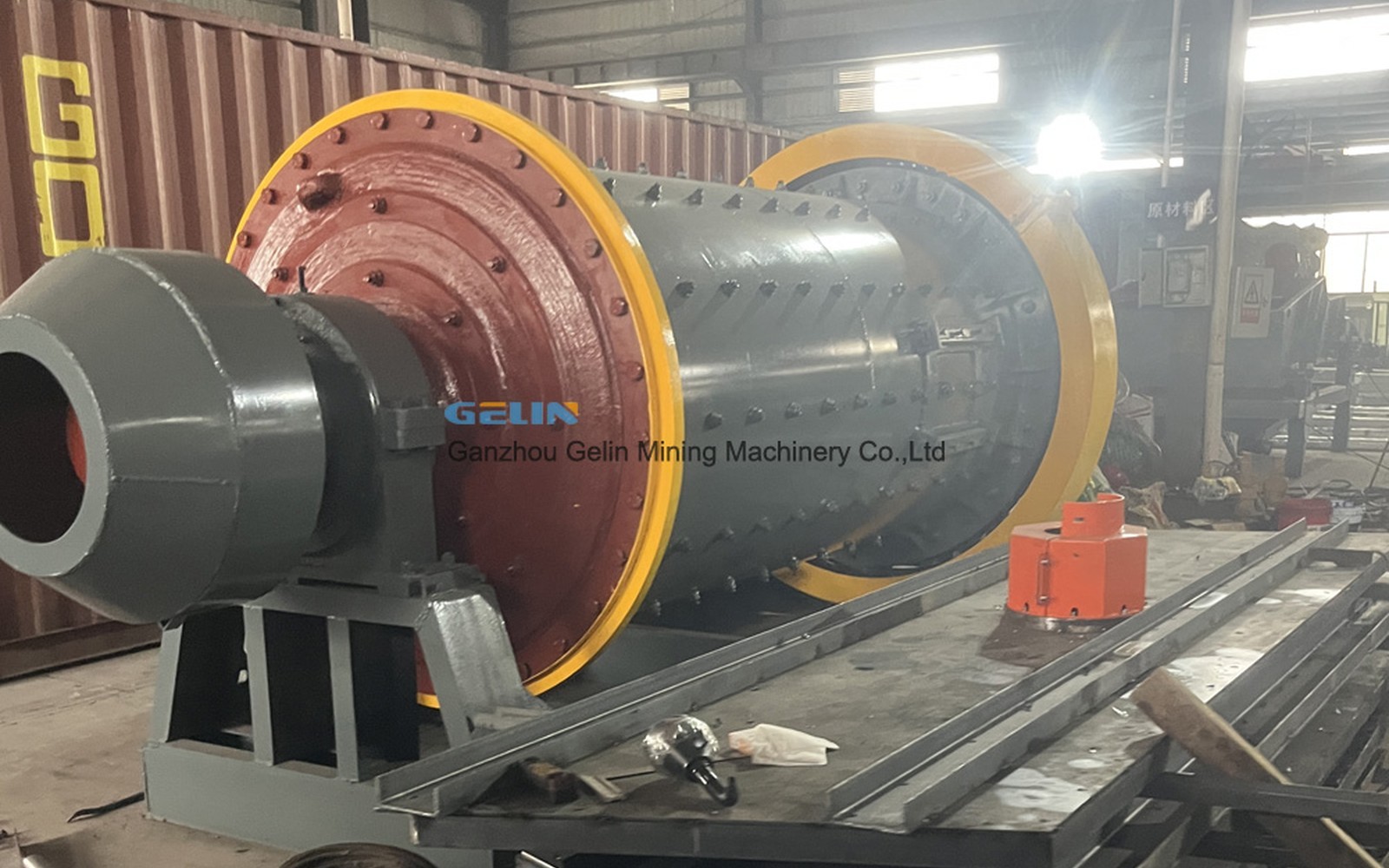
We finance ore processing equipment for concentrators, heap leach operations, carbon-in-leach (CIL) and carbon-in-pulp (CIP) circuits, flotation plants, gravity circuits, and the broader range of unit operations that turn mined material into a saleable product. Our minimum is $50,000, and processing equipment transactions commonly range from $100,000 for individual flotation cells or thickeners up to several million dollars for full circuit packages. Application-only decisions are available up to approximately $400,000; larger transactions require a full underwrite with three months of bank statements and a description of the operation the equipment will serve.
Process Equipment Categories We Finance
Ore processing spans a wide range of distinct unit operations, and the financing approach varies somewhat by equipment type:
- Flotation equipment: tank cells, column cells, and mechanical flotation machines from manufacturers including Metso Outotec, FLSmidth, and Eriez are among the most commonly financed items in a base-metal concentrator. Individual tanks or full flotation circuits are both financeable depending on how the acquisition is structured.
- Thickeners and clarifiers: paste thickeners, high-rate thickeners, and conventional rake thickeners are long-life assets with broad applicability across processing and tailings management. They finance well when documented properly.
- Leach tanks and agitators: CIL, CIP, and atmospheric leach tanks for gold processing are a major category. Individual tanks, agitator drives, and full train configurations are all financed through our programs.
- Gravity circuits: Knelson concentrators, Falcon concentrators, and centrifugal jigs for coarse gold recovery are typically smaller individual transactions that fall easily within the application-only threshold.
- Filtration and dewatering: pressure filters, vacuum filters, and centrifuges for concentrate and tailings dewatering are important process assets that finance on conventional equipment loan terms.
- Pressure oxidation (POX) and autoclave systems: these are specialized, high-capital assets used in treating refractory gold ores and some complex sulphide concentrates. Financing at this scale is a full project-level underwrite.
Why Operations Finance Process Equipment Rather Than Paying Cash
Processing plants are capital traps. Every unit operation is necessary for the circuit to function, and adding capacity, replacing worn or obsolete equipment, or installing a new recovery stage requires capital that competes with every other operational and corporate need. Financing allows the operation to add processing capacity on a payment schedule tied to the production that capacity enables, rather than waiting until the cash account is large enough to pay for the upgrade outright.
Operations ingold processinguse financing heavily for CIL tank additions, flotation circuit upgrades, and thickener replacements.Copper concentratorsfinance flotation circuit expansions as ore grades decline and flotation residence time requirements increase. Operations recoveringlithiumfrom hard-rock spodumene deposits are building out flotation and dense-medium separation circuits and represent a growing segment of new process equipment finance transactions.
Used equipment from decommissioned plants is an active market in this sector. When a large concentrator closes or undergoes a major circuit reconfiguration, the equipment that comes out of it enters a secondary market that serves smaller operations and greenfield projects worldwide. We finance used process equipment from these sources when condition documentation is available and the assets can be identified and valued.
How Process Equipment Financing Is Structured
For individual units within a larger circuit, the process is relatively standard: identify the equipment, get a quote or a bill of sale, submit a credit application, and move through either the application-only track (up to approximately $400,000) or the full underwrite for larger amounts. Most approved transactions fund in about one to two weeks.
For full circuit packages, where the acquisition involves multiple unit operations from the same seller or from an OEM supply contract for a complete circuit section, we can structure a single financing arrangement that covers the full scope. This simplifies the payment structure and may allow a larger single transaction amount than separate deals for each piece would achieve independently.
We also handleused processing equipmenttransactions from dealer sales, plant decommissions, and private-party purchases. The documentation requirements for used equipment add an inspection or condition assessment step, but the financing timeline is similar to new equipment once the inspection is complete. Providing available maintenance records significantly accelerates the used equipment review.
For operations that already own significant process equipment,Sale-Leaseback Financingstructures can release capital tied up in that equipment without requiring the operation to sell or replace it. A CIL circuit, a flotation bank, or a set of thickeners owned free and clear represents real lender-accessible value, and a sale-leaseback transaction against those assets can fund the next capital project or shore up working capital without adding new external debt that consumes cash differently.
Credit Considerations for Processing Operations
Processing operations range from small owner-operated plants running a few hundred tons per day to large corporate concentrators handling tens of thousands of tons daily. We finance both ends of the scale, and the underwriting approach scales with the transaction size and the complexity of the operation.
B and C credit profiles are considered across all transaction sizes. For smaller transactions under $400,000, the application-only path provides a quick decision based on the business credit profile and bank statement history without requiring a full financial audit. For larger transactions, the full underwrite examines the operation's cash flow generation, the ore reserve or feed supply that supports the processing throughput, and the specific equipment being financed.
Operations serving theexploration and development stagehave a more detailed documentation requirement than producing operations, as the cash flow from the planned processing activity is forward-looking rather than demonstrated. We work with these situations when the supporting documentation, metallurgical test data, ore resource estimates, and financial projections, makes a coherent case for the processing plan's viability.Startup programsare available for operations entering the production phase.