Finance a portable crushing plant for quarry, aggregate, or contract crushing work. Loans and leases from $50k, application-only to ~$400k, 1-2 week funding.
A portable crushing plant's value is its ability to produce tonnage wherever the rock is, not where a fixed plant happens to be sited. For contract crushers, quarry producers, and mining operations that move between deposits, availability on the road and at the face is the production number that matters. Financing a portable plant demands a lender who understands that the collateral is mobile by design and that its earning power is tied to the contracts and sites it serves, not a permanent address.
We structure portable crushing plant financing for operations of every scale, from compact track-mounted primary and secondary circuits used in small aggregate quarries to large modular portable plants handling hundreds of tons per hour at mine sites. Our minimum is $50,000, and the sweet spot for most portable crushing transactions runs from $100,000 into the mid-seven figures for full multi-stage systems. Application-only underwriting is available up to approximately $400,000; larger systems move through a standard underwrite with three months of bank statements and basic business financials.
What Portable Crushing Plants Actually Are
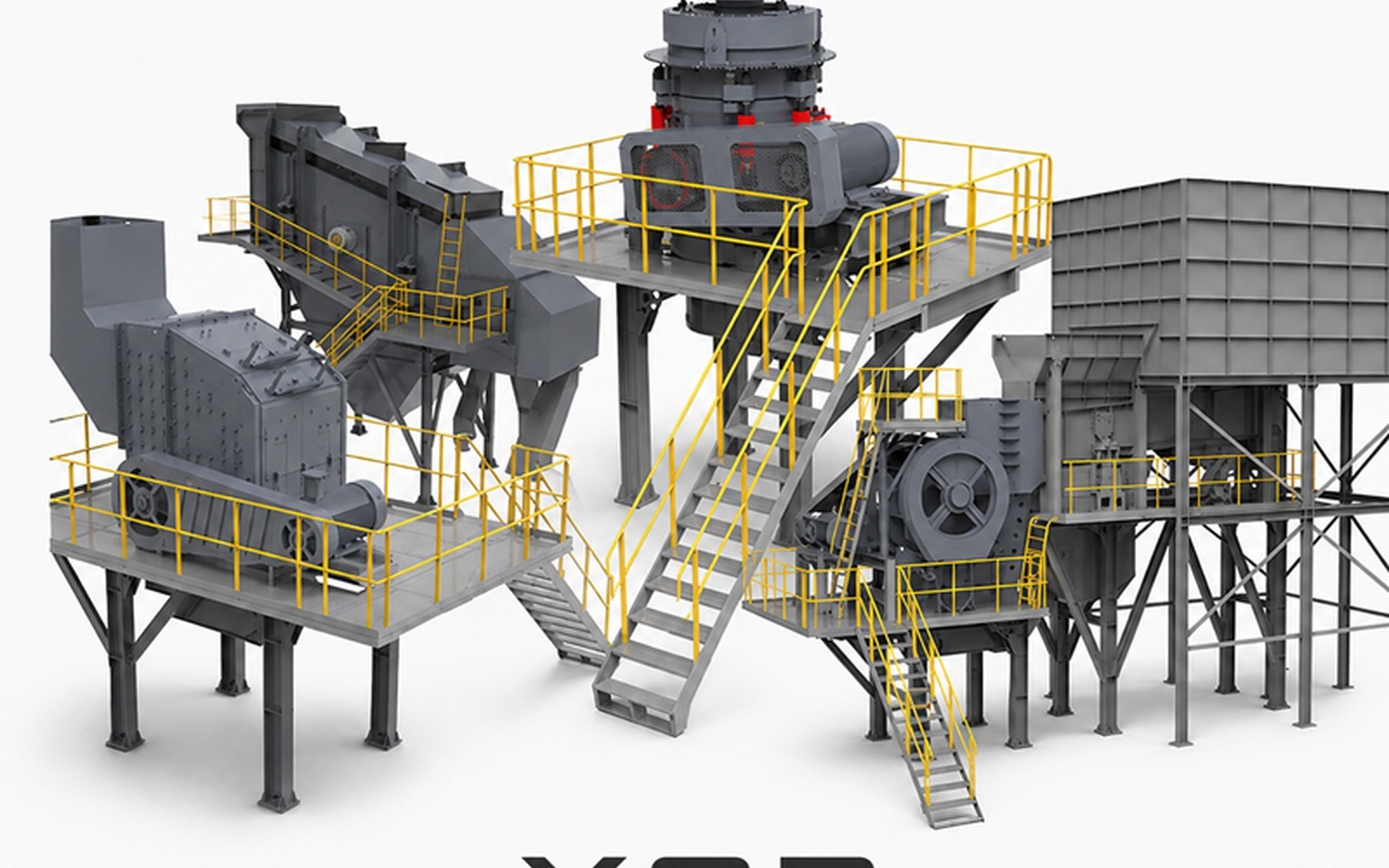
The term covers a wide range of configurations. At the compact end, a track-mounted primary crusher on a self-propelled chassis, like a Metso Lokotrack series or a Terex Finlay unit, handles primary reduction on site without any external power or conveyor infrastructure. These units weigh anywhere from 30 to 90 tonnes and can typically be transported on a standard low-bed trailer. At the larger end, a portable plant is a series of connected modules, a primary jaw or gyratory, a secondary cone, tertiary impactors or screens, and linking conveyors, designed to be dismantled and moved between major projects.
Track-mounted and wheel-mounted portable units are treated differently for financing purposes because of their inherent mobility. A lender has more straightforward recovery options with a track machine that can drive onto a trailer than with a bolted-down modular plant in the middle of a pit. That mobility is reflected in both the appetite lenders have for the asset and in how we structure documentation around the deal. GPS tracking and equipment identification documentation are standard on most portable units today, which simplifies lien filing and collateral monitoring.
Common manufacturers financed includeMetso,Terex, Keestrack, McCloskey, and Powerscreen, among others. We finance both new and used units, and for used portable plants we place significant weight on the engine hours, the crusher hours (which accumulate differently than engine hours), the condition of wear parts, and the maintenance history provided at sale.
Operations That Run Portable Crushing
Contract crushing operations make up a large portion of the demand for portable plant financing. A contractor who moves from project to project, crushing road base, drainage aggregate, or mine waste for different clients, needs the plant to be capital-efficient because the revenue model is per-ton margin rather than a long mine-life production plan. We understand the contract book is the income source, not a fixed deposit, and we structure around that.
Quarry producers who are expanding into a second pit or opening a satellite quarry while keeping their fixed plant at the primary location also use portable plants to avoid the capital cost of a full second installation. For these operators, the portable plant is additive production capacity, and the existing fixed operation's cash flow typically makes the underwriting straightforward.
Mining operations inaggregate mining,surface mining, andquarry operationsall regularly finance portable crushing systems. Contract mining firms working in gold, copper, or iron ore exploration and development also use portable crushers to process material during construction phases or bulk sampling programs before a full processing plant is commissioned.
Process and Timeline
Portable plant financing starts with identifying the specific machine or package being acquired, whether from a dealer, an OEM, or a private seller. We review the asset, the transaction structure, and the buyer's profile. For track-mounted units and systems under approximately $400,000, an application-only review often suffices for a credit decision. For multi-stage portable systems or older equipment, we will ask for three months of business bank statements and a brief description of the operation, the current contract book, and the crushing rate the plant needs to deliver.
Once approved, funding typically lands in one to two weeks. Private party purchases, which are common in the portable crushing market where used units change hands between contractors regularly, move on the same timeline. For these transactions, we need a bill of sale and an equipment inspection or condition report to complete the file.Private-party financingis a structure we handle routinely for this asset class.
Sale-leaseback is another tool used frequently by contractors who have equity tied up in portable equipment and need liquidity for a bid bond, a down payment on a new contract's mobilization costs, or simply as working capital between crushing seasons. We can structure aSale-Leaseback Financingagainst owned portable crushing plants in most circumstances.
Credit Profile and Documentation
Portable crushing operations often have uneven revenue curves tied to seasonal work, contract cycles, and mobilization gaps between projects. We see this regularly and underwrite against the business's demonstrated capacity rather than a smoothed income line. B and C credit profiles are considered; we are not a bank, and we do not apply a bank's credit overlay to equipment decisions.
Startups and younger operations can qualify under ourstartup financingprograms, though these typically require a larger down payment and may carry shorter initial terms. Operators with one or two years of bank statements demonstrating consistent revenue from crushing contracts are well-positioned even without long business histories. The key documents are the completed application, three months of bank statements for larger deals, and any available contract documentation that supports the revenue picture.