Finance mining and extraction equipment in Grand Junction, CO. Haul trucks, surface drills, crushers, and support fleets. $50k min, fund in about 1-2 weeks.
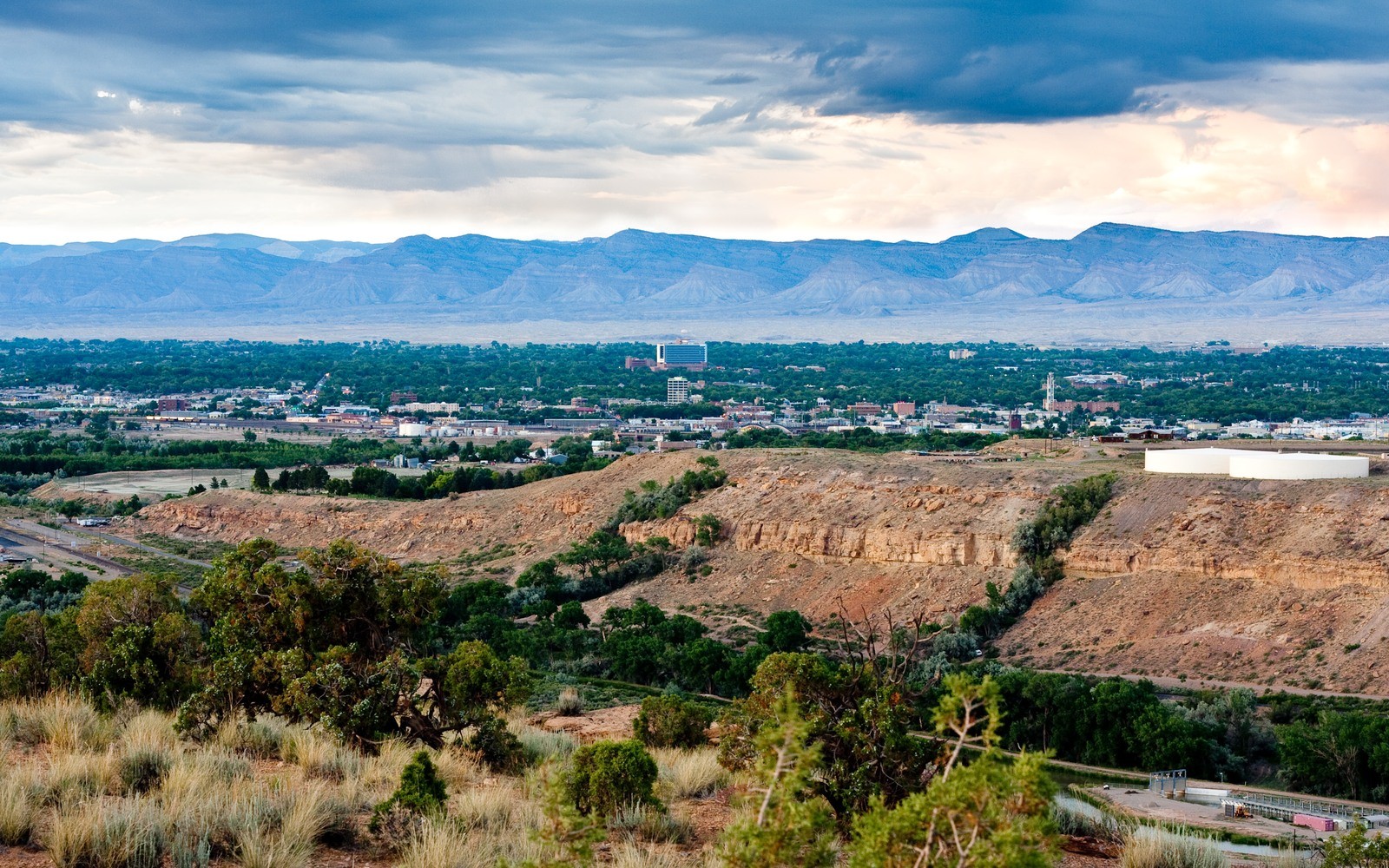
Grand Junction is the equipment crossroads of the Colorado Plateau. The Piceance Basin, home to some of the most prolific natural gas and oil shale geology in North America, sits directly to the north and east. The Paradox Basin coal and potash country runs south into San Juan County. The uranium districts of the Uravan mineral belt, which produced significant production through multiple boom cycles across the twentieth century, start just outside of town in Mesa and Montrose counties. An operator based in Grand Junction could be moving iron toward any one of those destinations on any given week.
The equipment that moves through Grand Junction includes haul trucks, drill rigs, crushers, motor graders, and support vehicles serving all of those extraction contexts. None of those assets are easy for a western Colorado bank to underwrite. Local lenders work against real property and agricultural collateral; a 150-ton rigid-frame haul truck or a rotary drill rig is not in their underwriting vocabulary. We provide capital structured to match what the equipment actually does and what it is worth in the market, with a $50,000 minimum, a sweet spot from $100,000 to well above $150,000, and application-only approval for most transactions up to roughly $400,000. Funding takes about one to two weeks from approval.
Grand Junction's Extraction Economy
The Piceance Basin's natural gas production tied Grand Junction's economy closely to the oil and gas cycle for decades, and the equipment and service infrastructure that built up around that industry has broad applications across surface mining as well. Motor graders that maintain well-pad access roads also maintain haul roads at aggregate quarries. Water trucks serving dust control at a drill site are the same units that serve open-pit mining operations. The operator ecosystem here is comfortable moving equipment between industry types, and the financing for that equipment should work the same way.
Coal mining has been the dominant heavy extraction industry in Delta and Gunnison counties, directly east and south of Grand Junction. The Elk Creek and West Elk mines in the North Fork Valley have operated underground longwall systems for decades, and the contract mining and support services for those operations include significant surface equipment. Operators based in Grand Junction have serviced those mines and now look at what transitions in coal production mean for their fleet deployments going forward.
Uranium is worth discussing specifically, because the Uravan mineral belt and the uranium districts around Gateway and Uravan have seen renewed attention with the shift toward domestic uranium supply chains. Small-scale uranium mining uses equipment profiles similar to other hard-rock extraction: track drills, track dozers, haul trucks in the smaller rigid-frame and articulated classes, and ore processing equipment.Hard rock mining equipment financingcovers that asset type regardless of the specific mineral being extracted.
Aggregate and dimension stone production around Grand Junction supplies the regional construction market as well as road maintenance contracts throughout Mesa County. Operators working limestone and sandstone formations in the Book Cliffs and the surrounding terrain run portable and fixed crushing plants.Portable crushing plant financingis a consistent request from operators in this market who need the flexibility to move their primary processing unit between permitted sites.
Equipment We Finance for Grand Junction Operators
The equipment profile here reflects the plateau's extraction diversity. Surface drill rigs, from rotary air blast units used in uranium exploration to larger blasthole drills for open-pit aggregate operations, make up a significant share of our Grand Junction transactions. Arotary drill rigin the 90,000-to-200,000-pound operating weight class is the most common size we finance here, covering the range from smaller exploration programs to full production blasting on a quarry bench.
Haul trucks in the 40-to-100-ton class are the primary haulage choice for operations in this region. Rigid-frame units in the smaller classes and articulated dump trucks working steeper haul road grades around the Book Cliffs and the Uncompahgre Plateau are both regular financing items.Articulated dump truck financingin the 40-to-60-ton class covers the majority of the smaller mine and quarry haulage work here.
Motor graders are a high-priority support item in Mesa County. Haul road maintenance in this terrain is demanding, and a mine or quarry without a reliable grader faces escalating truck maintenance costs as roads deteriorate. We finance motor graders as standalone assets or as part of a bundled fleet transaction.
- Rotary and surface blasthole drill rigs
- Articulated dump trucks and small-class rigid-frame haul trucks
- Portable and track-mounted cone and jaw crushers
- Motor graders and track dozers for access road work
- Water trucks and support fleet
- Ore processing and loading equipment
Financing Speed and What to Expect
Equipment deals in this market move fast. A machine available from a contractor winding down a gas field project or a quarry producer selling off a duplicate crusher does not stay on the market long. Our process is designed to close before the seller loses patience or takes another offer.
For transactions up to roughly $400,000, the documentation requirement is an application and three months of bank statements. No tax returns, no CPA-prepared financials, no multi-week underwriting queue. We target funded transactions in about one to two weeks from the completed application. That timeline holds for purchases, refinances, and sale-leaseback structures alike.
For larger transactions, financials come into the process, but the review does not slow to a bank timeline. We work with operators who have complex ownership structures, seasonal revenue patterns, and multi-year contracts that make their bank statements look inconsistent to a conventional underwriter. Understanding the business behind the numbers is what lets us approve transactions that a bank would decline or delay indefinitely.
Operators in Grand Junction who have been pre-declined by a bank or who have been waiting on a bank approval that has stalled are encouraged to reach out. A second opinion costs nothing, and we have approved equipment that a regional bank spent six weeks reviewing before saying no.Bad credit equipment financingpathways are also available for operators whose credit file has been marked by a prior economic downturn, a completed reorganization, or a challenging commodity year.
Related Financing Options
Grand Junction operators who run equipment across multiple extraction types benefit from understanding the full range of structures available. Beyond a standard equipment loan,mining equipment leasingcan reduce the monthly payment obligation and preserve capital for other uses, particularly for operators who cycle through equipment every five to seven years rather than running machines to end of life. A lease with a fair-market-value residual at the end of the term gives an operator the option to upgrade rather than committing to ownership of a machine that may be near the end of its useful duty cycle.
Sale-leaseback financing is a regular tool for established operators here who have accumulated paid-off iron over multiple contract cycles. Converting that idle equity into working capital, a component overhaul fund, or a deposit on a new unit can make a material difference in how a business weathers a contract gap or a commodity price move. The machine stays at your yard and continues working. The cash is in your account within about two weeks of the transaction close.
Refinancing an existing loan at a better rate or a longer term is worth evaluating for operators who financed during a tight credit period and now have stronger financial history. Lower monthly payments on existing iron can free cash flow for new equipment without requiring additional borrowing. We handle refinances on machines regardless of who originated the original loan.