Finance portable and stationary wash plants for gold, aggregate, sand, and mineral processing. $50k minimum, application-only programs reaching $400k, funded in 1-2 weeks.
Recovery rates are the number that matters at the end of every processing shift. A wash plant that is undersized for the feed rate, worn past its rating, or simply not in the ground yet is a gap between the material you are moving and the material you are selling. Whether the operation is a placer gold set-up running sluice trays and jigs in the Yukon-style, a portable aggregate wash plant feeding a concrete batch plant in Nevada, or a fixed industrial facility processing iron ore fines in Minnesota, the financing structure needs to match the asset's complexity and the project's cash-flow timing.
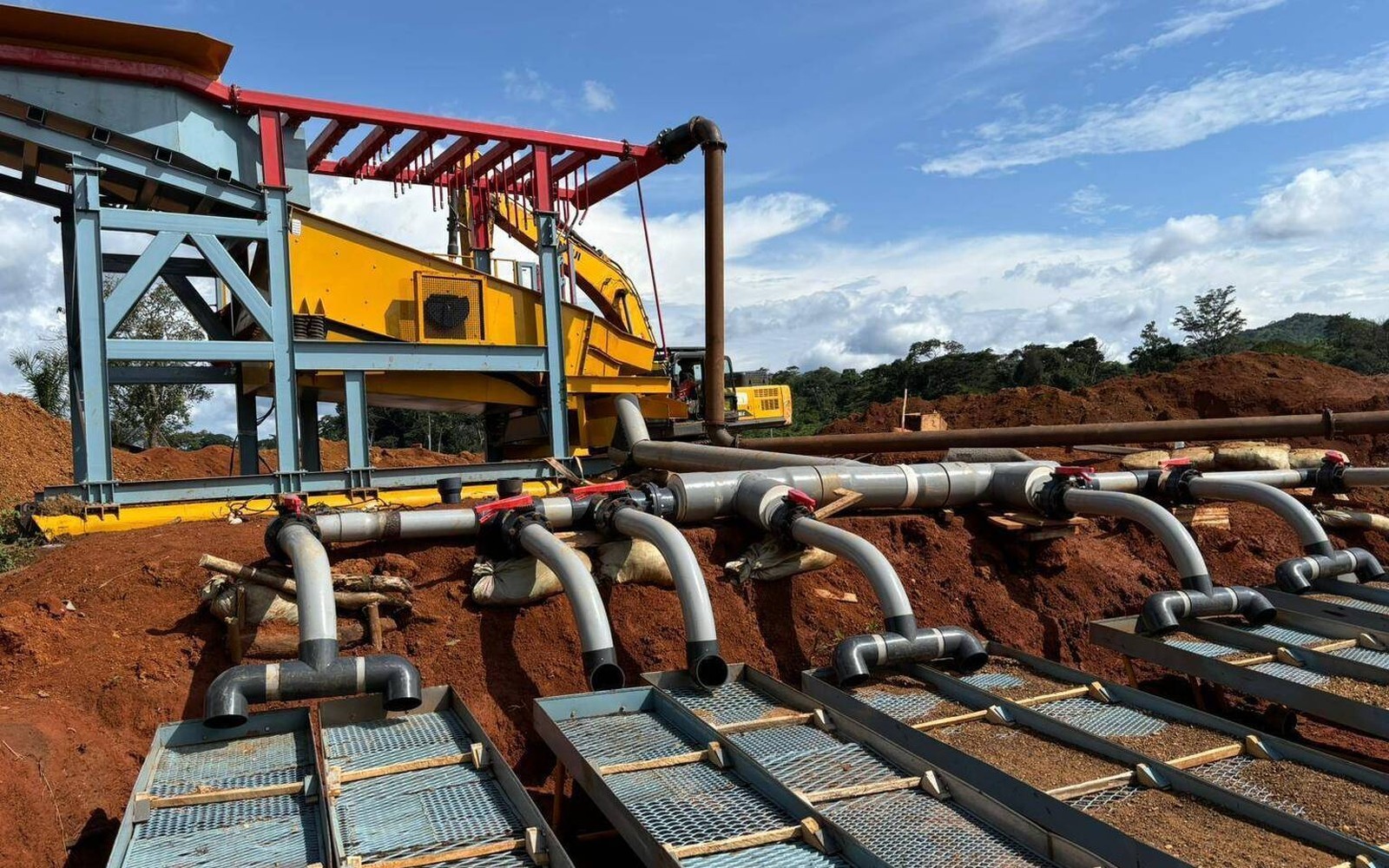
We finance wash plants across the full range: small portable placer units, modular alluvial processing plants, high-capacity aggregate washing systems with bucket-wheel scrubbers and hydrocyclone clusters, and custom-built mineral processing installations. Transactions start at $50,000 and the sweet spot for mid-capacity commercial wash plants runs $150,000 to several million for turnkey installations. Application-only processing up to approximately $400,000 handles most portable and modular units without requiring a full financial audit package.
The Range of Equipment We Finance Under the Wash Plant Category
The term wash plant covers a wide spread of equipment, and lenders who do not work this market often treat all of it the same. They should not. A portable placer gold trommel with a sluice box and feed hopper is a different collateral story than a 300-ton-per-hour aggregate scrubbing plant with a twin-shaft log washer, dewatering screen, and coarse-material screw. Both are wash plants. The financing structure differs because the asset life, mobility, residual market, and operational complexity differ.
For placer and alluvial gold recovery, the core components we commonly finance include: feed hoppers and grizzly scalpers, trommel screens with spray bars, sluice boxes and shaker tables, jigs and centrifugal concentrators, and supporting pumps and water-management systems. These units range from small prospecting-scale machines to full commercial placer plants. Operators runninggold mining operationsin Alaska, Montana, and the Pacific Northwest understand that the plant's efficiency at sub-millimeter gold recovery is the whole business.
For aggregate and construction-material washing, the equipment is more industrial and the collateral hold is stronger. Bucket-wheel sand screws, log washers for clay removal, vibrating wet screens, hydrocyclone systems, and water-recirculation clarifiers all fall under facilities we finance. Operators supplying washed sand and gravel to concrete producers depend on consistent product spec, and a plant shutdown mid-contract is a direct revenue loss. Lenders who understand that dynamic price the asset accordingly.
Fixed-installation mineral processing wash plants, particularly those tied to iron ore, phosphate, or industrial mineral operations, involve engineering-built facilities with significant civil works. These transactions move into project-finance territory above certain thresholds, but modular and semi-portable installations in the $200,000 to $1.5 million range stay within standard equipment lending structures we work with every day.
What Financing Terms Look Like on Wash Plants
A portable wash plant running about $80k to $200k commonly finances on a 36 to 60 month term. Modular commercial plants from $200,000 to $600,000 typically see 48 to 72 month structures depending on the borrower's profile and the asset's residual marketability. For larger fixed installations, term structures extend based on the project's cash-flow modeling and collateral documentation.
Down payment requirements vary by credit strength and asset type. A clean-credit operator with a documented processing contract can sometimes move with little or no money down. Operators with thinner credit histories or less established track records should expect us to structure in a deposit, typically 10 to 20 percent of the purchase price, to keep payment levels manageable and give the lender adequate collateral coverage.
Section 179 expensing applies to most wash plant equipment placed into service in a qualifying tax year, which can shift the effective cost of the first year significantly for operators who are profitable. OurSection 179 equipment financingpage covers how to structure a purchase to maximize that deduction. For operators weighing a lease structure, fair market value leases keep the equipment off the balance sheet and can simplify renewal decisions when processing technology evolves. Details on the lease-versus-loan trade-off are on ourFMV vs. dollar buyout leasepage.
Used wash plants frequently come to market through mine sales and estate liquidations, and we finance used units actively. The key due-diligence items on a used plant are: wear condition of the screen media, spray-bar and manifold integrity, pump and motor hours, and frame corrosion or weld repair history. A unit that has been pulling gold in a river environment for five seasons needs more inspection attention than an aggregate plant that ran dry material most of its life.
Where Wash Plant Demand Is Concentrated Right Now
Sand and gravel demand tied to infrastructure construction keeps aggregate wash plants busy in most U.S. markets. Operators supplying concrete-grade washed sand to large construction projects in the Mountain West and Southeast are financing new and replacement wash capacity to keep product moving. Operators near population centers, where construction activity is highest, are seeing the strongest demand.
On the mineral side, the lithium and rare-earth processing push is creating demand for wash and classification equipment as part of broader beneficiation circuits. Operations targeting spodumene concentration and clay removal from lithium-bearing deposits are investing in wash stages upstream of chemical processing. We finance the mechanical processing side of these operations. Operators in thelithium mining sectorand those workingrare earth mineral processingare both in the market for wash-stage equipment, and those transactions run through the same financing channels as conventional aggregate washing.
Placer gold operations in Alaska remain a significant wash-plant market, particularly during spring mobilization when operators are getting equipment in place before summer season. Financing timing on seasonal placer operations sometimes needs to align with equipment delivery windows, so operators planning a new placer setup should engage lenders in late winter rather than waiting for breakup to close financing. We can stage a commitment in advance of the delivery date if you need the certainty locked in early.
Related Equipment and Financing You Should Know About
Wash plants do not operate in isolation. Feed material typically arrives via loader, conveyor, or truck, and the processed product moves off the plant through additional screening and stockpiling equipment. Operators financing a wash plant often need to think about the full circuit, not just the washing module.
For the crushing and sizing work that typically precedes a wash stage,jaw crusher financingcovers the primary reduction equipment that controls the feed size entering your wash plant. Screening equipment that follows the wash stage falls undervibrating screen financingfor the dewatering and final-sizing equipment. Conveyors tying the circuit together can be included in a wash plant package or financed separately underconveyor system financing.
If the operation is expanding rather than starting from scratch, a cash-out refinance on existing processing equipment can generate the capital to add wash capacity without a new purchase loan. We structurecash-out equipment refinanceson wash plants, crushers, and processing lines where the borrower has built equity in existing assets and wants to reinvest it in expansion rather than waiting for a contract to generate enough retained earnings.